Can Babies Swim After Shots or Sickness?
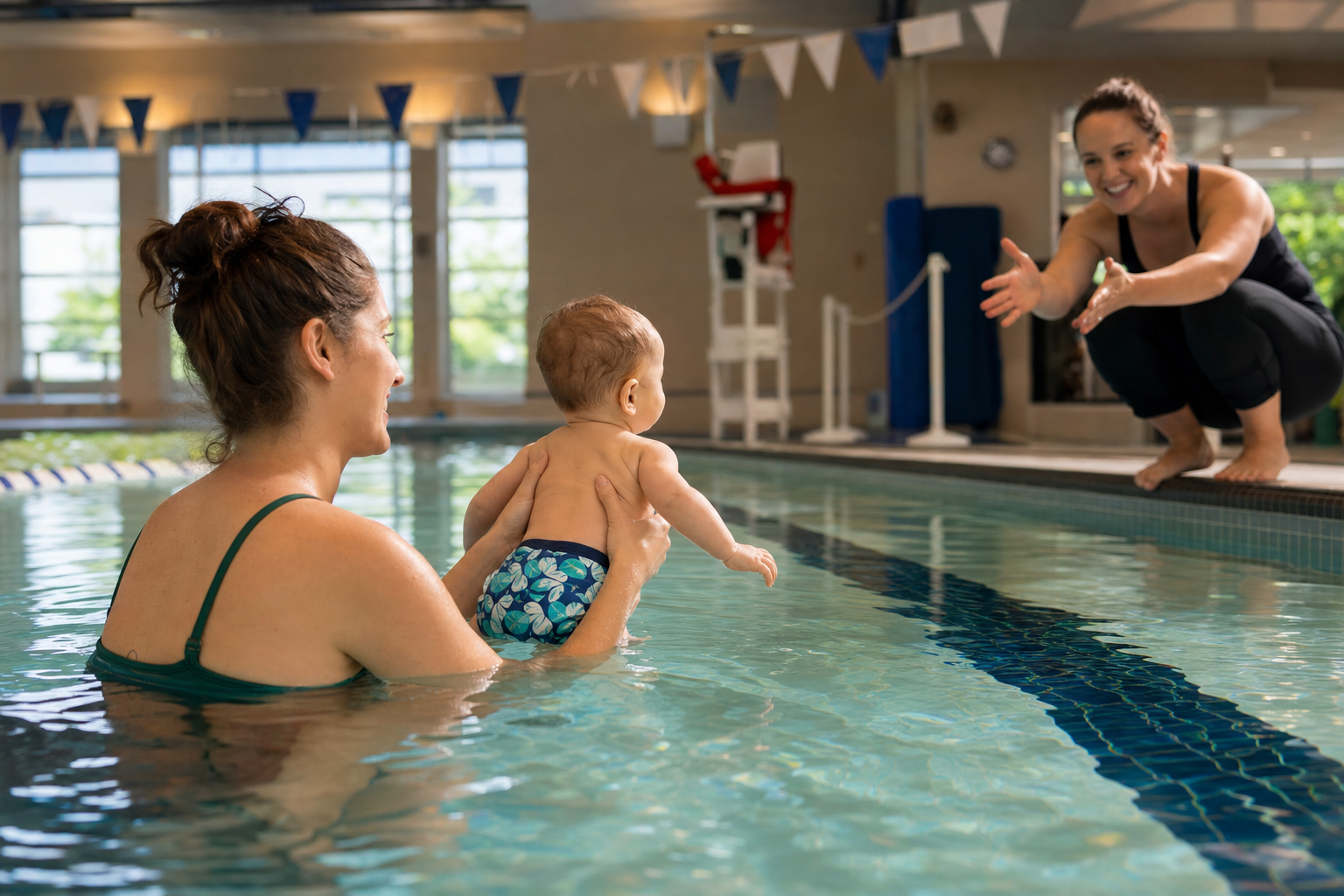
You just returned from your baby’s vaccination appointment and now there’s swim class—and your mind is racing with questions. The short answer: yes, your baby can usually swim after routine vaccinations unless they have symptoms that suggest something more than normal post-shot discomfort. Below we explore what parents often ask about swimming around vaccinations, mild colds, fevers, diarrhea, and fussiness—so you can make the best choice for your little one aged 0-36 months.
Routine Vaccinations: When Is It Safe to Swim?
Health authorities like the American Academy of Pediatrics and the CDC agree that routine immunisations are not reasons to stay out of the pool. Vaccinations work behind the scenes; they don’t weaken your baby for long. Mild effects—sore spot, slight fever, a bit of fussiness or being sleepier than usual—are expected. These don’t automatically mean skipping swim class. What matters is how your baby feels. If they’re comfortable, feeding well, and acting mostly normal, gentle swim time is fine.
If the reaction seems stronger—fever 100.4°F (38°C) or higher, extreme lethargy, swelling beyond the injection site—it’s best to rest and give your baby a day to bounce back. As always, talk to your clinician if you're unsure.
Can Baby Swim with a Cold?
Colds are common, especially in the first three years. Runny nose, mild cough, watery eyes—these alone do not require skipping swim class. Swimming may even help loosen mucus. What you want to watch for are symptoms that make swimming risky: wheezing, chest tightness, significant breathing difficulty, or if your baby feels top-heavy and exhausted just moving around.
If the cold comes with a fever, decreased hydration, or other symptoms like ear pain, then resting at home is a safer choice. You’re not only protecting your baby—you’re also keeping others from catching germs.
Fever, Diarrhea & When to Skip
Fever
A fever shows the body is fighting something. If your baby has a temperature of 100.4°F (38°C) or higher, swimming is not recommended. Pools, splash pads, lakes—they all add stress to a fragile system. Plus, germs that caused the fever may be contagious.
Wait until the fever is gone for at least 24 hours without fever-reducing medicine, and until your baby is drinking, eating, and acting like themselves again. Expert guidance advises rest, fluids, and avoiding strenuous activity while recovering. (seattlechildrens.org)
Diarrhea
This is a firm no. Public health guidance insists that any child with diarrhea—even mild—must stay out of pools and water play areas. Swim diapers may hold solid poop somewhat, but they leak significantly and won’t prevent germs from contaminating water. The CDC makes it clear: “Anyone who is sick with diarrhea … should stay out of the water.” (cdc.gov)
If you want a structured way to build water confidence at home, the 10-Week Plan guides you step by step.
Return when your baby has had no diarrhea for at least two full weeks, or when all symptoms are gone and your baby is alert, feeding well, and back to regular diapers. Some local health departments enforce a 14-day wait.
[[ctababy]]
Post-Shot Fussiness: What That Looks Like and What You Should Do
Expect a bit of fussing, a sore arm or leg, maybe some sleepiness or reduced appetite. This is normal. All of this does not mean your baby can’t swim. Use your judgment: if fussiness is mild and they perk up after a feed or nap, heading to the water (for a short session) is fine. But if they can’t be soothed, won’t eat, have a high fever, or the injection site looks very red and swollen beyond expectations, skip swim class that day.
A trick: pair your swim schedule with medication (if advised) or choose a time when your baby is usually rested and alert. That way you're less likely to misread sleepy or grumpy signs as illness.
When to Ask a Clinician or Reschedule Swim Class
You should get medical advice or agree to reschedule swim if any of the following apply:
- High or persistent fever—especially in young infants under 3 months—or if fever doesn’t improve with rest and basic care.
- Severe cold symptoms—wheezing, breathing issues, otitis media (ear infection), or upper respiratory infections which might worsen in humid pool environments.
- Diarrhea or vomiting—even if your child seems energetic. Water-borne illness risks are high and pooling areas are shared with many.
- Allergic reactions or extreme swelling at injection site—get checked.
- Baby is unusually lethargic, won't feed, or shows signs of dehydration.
If none of those are present, mild illness or post-vaccination symptoms are generally fine for short, gentle swims.
Planning Ahead: Easing Back into Swim After Illness or Shots
If you've skipped swim class, the return can feel challenging. Think short dips first. Keep class time shorter than usual. Swim in warm, comfortable water to avoid temperature shock. Bring lots of hydration, shade or warm cover-ups, and allow extra time for changing and drying. Aim for yoga-class-style gentle sessions rather than highly energetic splash-around adventures on the first return.
For parents in swim schools or lessons (babies 0-36 months), many ask about structured programs like the 10-Week Plan by swimy.org, which gently builds skill and comfort over time in scheduled sessions. That sort of program often allows easier flexibility when you need to skip a session due to illness.
Common Missteps and What to Watch Out For
Don’t assume a swim diaper is enough to protect others or the pool water if your baby has diarrhea. They leak quickly and waterborne germs spread fast. It’s also easy to confuse normal post-shot sleepiness with illness—if the sleepiness is prolonged and the baby won’t interact or eat, take that seriously. Finally, instructors are wonderful, but they aren’t medical professionals; if their rules ask for “medical clearance” for illness, trust your pediatrician to give that.
You are the best judge of your child’s wellbeing. When in doubt, skip the water this turn. Rest, love, and proper care almost always pay off—so the next splash can be safe, happy, and full of smiles.
120+ swimming exercises sorted by age — with video and instructions. Developed by swim instructors, completely free.

120+ swimming exercises sorted by age — with video and instructions. Developed by swim instructors, completely free.