How to Choose Chlorine-Resistant Kids Swimsuits That Last a School Term
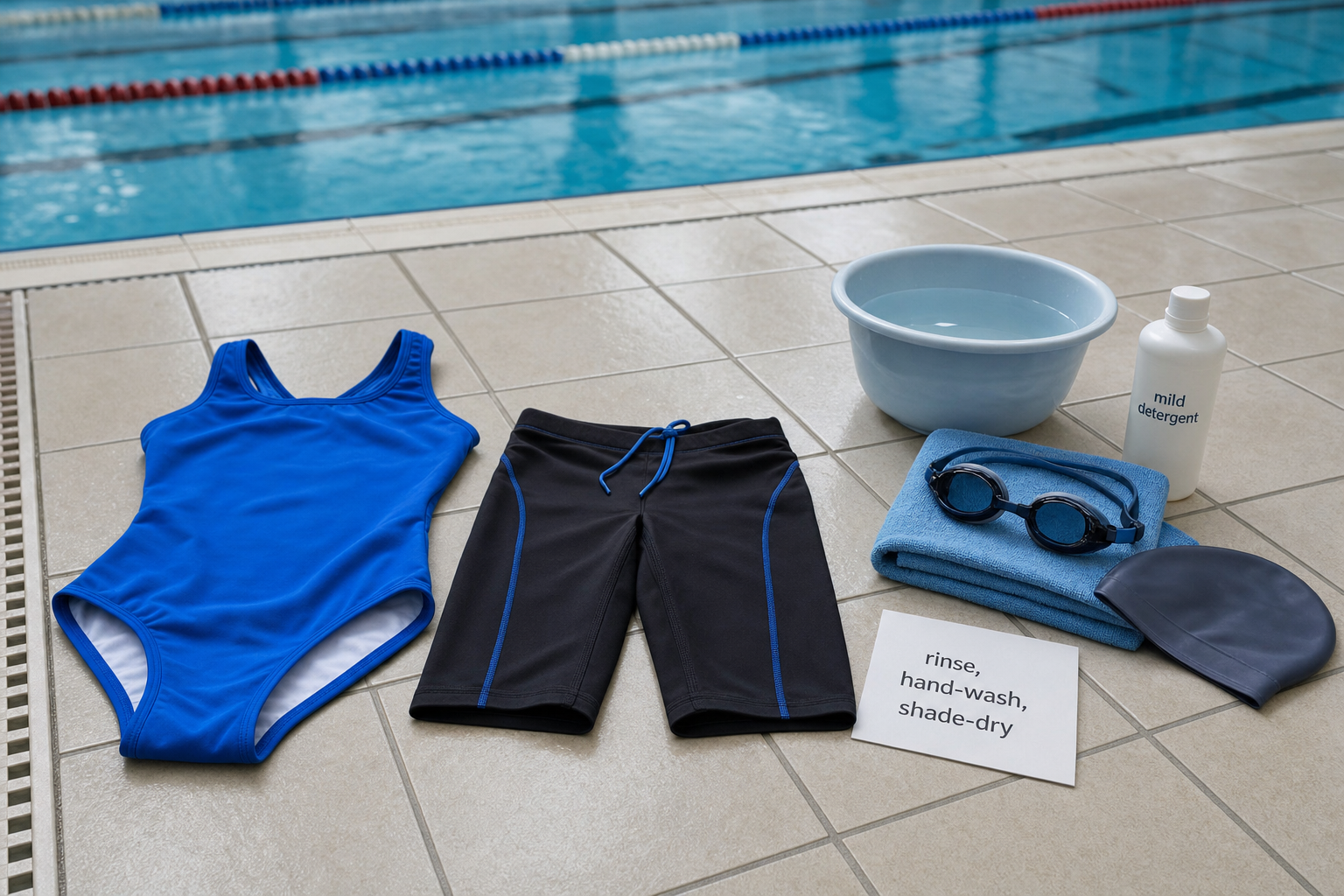
You want a swimsuit that stays snug, doesn’t fade after four-five weekly lessons, and doesn’t cost you a fortune every few months. The secret lies in the fabric (especially polyester/PBT blends), smart care steps, and a good fit. Let’s dive right in—literally—into what makes a chlorine resistant kids swimsuit last through the school swim term.
What Fabrics Really Withstand School-Pool Chlorine
For children aged 3–12 who swim weekly, the fabric battle is between elastic stretch and chlorine survival. Spandex/Lycra brings comfort—but chlorine tears into it fast. On the other hand, high-polyester blends, particularly those mixed with PBT (polybutylene terephthalate), resist degradation and hold their shape even after many classroom lane lengths. Spandex fibers degrade when exposed to hypochlorous acid (a by-product of pool chlorine), so suits heavy in spandex lose stretch, sag, and fade fast. By contrast, fabrics like Speedo Endurance+ (often a 50/50 polyester/PBT mix) maintain strength and colour through regular swim lessons.(mayiswimwear.com)
When shopping, look for terms such as “polyester/PBT blend”, “chlorine resistant”, or “training fabric”. Hold off on the super stretchy “fashion” fabrics—they look fun, but children swimming regularly will find them saggy long before the block ends.
Fit & Safety: Snug Without Restricting
Even the best materials need a proper fit. A suit must feel snug to prevent hot-spots where fabric pools and chafes skin under elastic bands. Drawcords are great in boys’ jam-mers or swim trunks to ensure the waist stays in place during dives or splashy starts, but they must be smooth and tucked safely so they don’t rub or pull. One-piece styles for girls should cover straps and hems securely—nothing should shift or ride during lessons.
Resist the urge to size up too much believing your child will grow into it; loose suits allow more chlorine-soaked water in and increase fabric wear. Conversely, overly tight is uncomfortable. The right middle ground gives freedom to swim while keeping the suit close to the body.
Care Routine: Simple Steps to Make Swimsuits Last Longer
Even a chlorine-proof fabric only gets that way if you care for it well. After every lesson, rinse the suit in cool fresh water. This removes chlorine, salt, sunscreen residue, and body oils before they set into fibers. Wringing or twisting stretches elastane parts and damages stitching, so gently squeeze excess water or roll it in a clean towel.(swimcity.com)
If you want a structured way to help your child progress at home, the 10-Week Plan guides you step by step.
Wash by hand with a mild detergent every few wears—or sooner if it smells like “pool”. Skip bleach, fabric softeners, hot cycles, and tumble drying; heat and harsh chemicals lift dyes and weaken the stretch materials. Lay flat to dry in shade rather than hanging by straps or leaving in direct sunlight. UV rays also degrade fabric and fade colours.(swimcity.com)
Rotate at least two suits during a busy term. Children in weekly lessons can stretch fabric beyond recovery if the suit is always damp and used. Alternating gives fibres a chance to rest and return toward their original shape.(spandexbyyard.com)
[[ctakid]]
“What This Looks Like in Real Life”: Brands & Picks
Speedo’s Endurance+ line (kids’ briefs or one-pieces) is a strong example of combining polyester/PBT with built-in drawcords, high coverage, and straps that keep shape after frequent use. Their girls’ training one-piece using 50% polyester, 50% PBT fabric promises resistance to fading, sagging, and chlorine damage.(swimwestusa.com) These suits cost more up front but last through a whole term—not just a few weeks.
Other fabrics labelled “training fabric” or “MaxLife” or similar often mean polyester-PBT or treated polyester blends. The extra stretch or fancy prints should be secondary. And if you want an organised structure to build your child’s swimming ability while still protecting their swimwear investment, check out the 10-Week Plan at swimy.org. It maps out lessons, practice swims, and rest days which fit nicely into a school block—and helps you see how many suits you might need for that growth period. (Note: the 10-Week Plan is best used alongside choosing suits that can take regular pool use.)(mayiswimwear.com)
Common Mistakes That Ruin Suits Early
Leaving wet towels or suits in hot cars might seem harmless, but heat accelerates chemical damage. A damp, zipped-up swim bag becomes a greenhouse of decay for suit fibres. Tumble drying or ironing should be avoided altogether—heat degrades the stretchy parts irreversibly. Buying shiny, high-spandex fashion fabrics for an everyday “pool uniform” invites disappointment—the glitter fades, the fit sags, the colours bleed. What looks cute may not sustain the chlorine exposure of weekly lessons.(mayiswimwear.com)
Finally, ignoring drawcords and elastic bands is risky. A drawcord must be snug but not tight; both drawcords and elastic can gouge skin if stressed or twisted often. For younger children especially (ages 3–5), check how your child feels when bending knees, bending over, and stretching shoulders. If anything digs or rolls, lift or waistband needs adjusting—or maybe try a different style.
Summary: What Parents Should Do Today
Parents can save both money and hurt little swimmers’ feelings by investing wisely and caring gently. Go for swimwear made with polyester/PBT blends, avoid high-spandex fashionable fabrics in daily training suits, choose fits that stay put, drawcords that are safe, and follow a rinse-hand wash-air dry routine. Rotate suits if lessons are more than once a week; never leave damp kits in hot cars or sealed bags. With good choices and small habits, your child’s chlorine-resistant kids swimsuit can survive the whole school term—and save you the stress and cost of replacements mid-season.
120+ swimming exercises sorted by age — with video and instructions. Developed by swim instructors, completely free.

120+ swimming exercises sorted by age — with video and instructions. Developed by swim instructors, completely free.