Custom Swim Earplugs for Kids: Worth It or Not? A Parent’s Guide
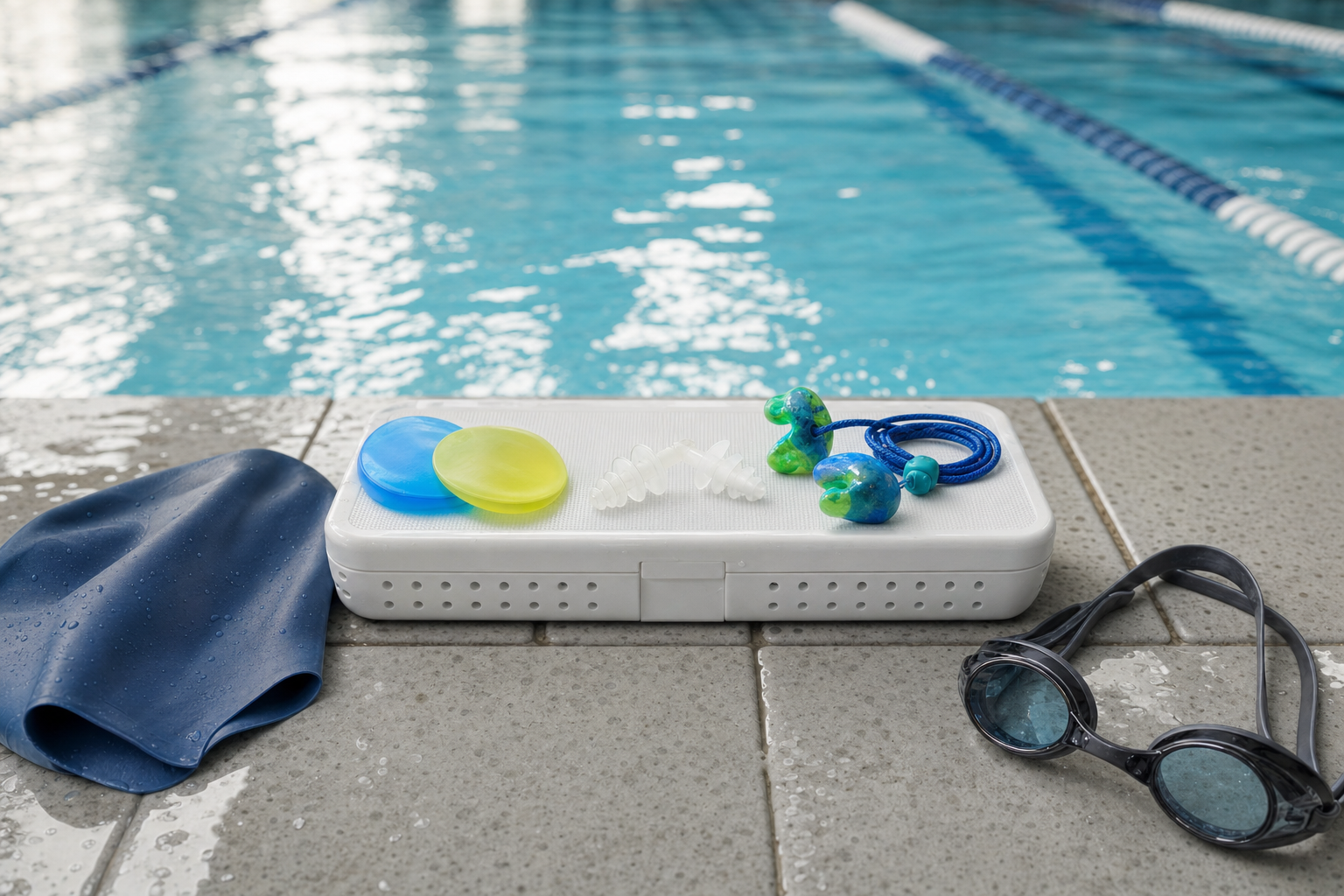
Believe it or not, most children ages 3–12 don’t actually need custom swim molds unless there’s a specific problem. Let’s cut to the chase: custom swim molds are great for some, overkill for others. Here’s how moldable silicone, flanged plugs, and custom swim molds compare—and when a clinician might recommend one option over another.
Comfort and Seal: Moldable, Flanged, and Custom Explained
Moldable silicone earplugs are soft putty-like plugs you shape over the opening of the ear canal. They aren’t pushed deep; the seal comes from covering the canal opening. Kids like them because they’re comfortable and flexible; parents like them because they’re affordable and visible—bright colors make them easy to spot. On the downside, they can slip off during dive turns or rough play.
Flanged plugs have a conical universal-fit shape with several overlapping “flanges” that create barriers against water. They’re lightweight, reusable, and great for younger swimmers who need something that goes in the canal. But if the flanges aren’t sized right—or the ear canal is especially narrow—they might leak or feel tight.
Custom swim molds are made by an audiologist who takes an impression of the child’s ear canal. These are expensive, often several times more than over-the-counter plugs, but they offer the best fit when done correctly. Custom molds stay put, seal well, and are a good choice if your child swims a lot, has ear anatomy issues, or has had water trapped repeatedly.
Hygiene and Practical Use: What Parents Should Know
If you use any type of ear protection—especially moldable or reusable—you have to keep them clean. Rinse after swimming, wash gently with mild soap, avoid letting them sit wet in damp bags, and replace them if they degrade. Dirty, soggy plugs can themselves lead to swimmer’s ear. The CDC recommends using bathing caps, ear plugs, or custom-fitted swim molds, plus drying ears thoroughly, then using a hair dryer on a low setting or tilting the head to help water drain out. (cdc.gov)
One caution: don’t improvise things like cotton balls coated with wax or household putty inside the ear—clinicians warn these materials can become lodged, damaged, or even require surgical removal. Always use plumber-grade silicone or medical-grade custom molds. Also, follow any ENT’s instruction about ear drops—never put drops into ears with tubes unless your provider says it’s safe. (choc.org)
Ear Tubes and Recurrent Swimmer’s Ear: When ENT Advice Matters
If your child has ear tubes (tympanostomy tubes) or gets repeated swimmer’s ear, doctors have updated recommendations. Routine, strict water precautions are no longer encouraged for most kids with tubes. That means no need for ear plugs for everyday pool swims or baths in properly treated water. But there are exceptions: if the child likes diving under water, swims in untreated lakes, ponds, or river water, or experiences discomfort or drainage, then protection with ear plugs or custom molds is advised. (childrenswi.org)
If you want a structured way to help your child progress at home, the 10-Week Plan guides you step by step.
After surgery, covering the ears for the first few days is important for healing. After that, for most kids tubes don't require plugs in swimming pools, showers, or the ocean. But children with ongoing drainage, frequent infections, or special risk factors might benefit from custom molds. If your ENT recommendation includes custom plugs, they might be fitted through audiology clinics. (virginiaent.com)
[[ctakid]]
Are Custom Swim Molds Worth the Cost?
Cost is one of the biggest downsides. Custom molds run high—it might cost tens or even hundreds of dollars, depending on materials and local pricing. If your child only swims occasionally, or only needs protection in clean, well-chlorinated pools, a moldable silicone plug or flanged universal-fit set will probably suffice.
However, if your child swims every day (for swim team, lessons, club), has had swimmer’s ear many times, has ear tubes, or has ears that universally reject standard plugs (due to narrow canals or sensitivity), investing in custom swim molds often pays off in comfort, fewer infections, better seal, and fewer replacements.
Also worth noting: using custom molds along with guidance like the swimy.org 10-Week Plan helps young swimmers learn how to protect their ears, build strength, and improve their technique. If your child is just getting serious with swim training, this kind of plan paired with good ear protection is very useful.
When Clinicians Do and Don’t Recommend Ear Plugs
Clinicians will usually recommend ear plugs if your child:
- Has ear tubes and intends to dive deeply or swim in non-chlorinated, high-bacteria water.
- Gets recurrent swimmer’s ear (“otitis externa”) despite basic water-drying care.
- Has had anatomical features like narrow ear canals, canal irritation, or sensitivity to standard plugs.
They’ll usually not recommend plugs if:
- Your child swims in treated pools and stays near the surface, with no history of ear problems.
- The child has tubes but no signs of trouble with water entering the ear or causing pain or draining.
- Plugs cause discomfort, irritation, or hinder hearing tasks (like listening for coach’s instructions). In those cases a swim cap plus occasional use of plugs may be enough.
Safety, Common Mistakes, and Smart Tips
It’s tempting to overuse plugs or rely on flawed solutions. Never let your child use improvised materials like cotton-swabs deep in the ear, or household putty inside the canal. These can damage skin or become lodged. Always check with the ENT before using ear drying drops if there are tubes or a perforation. Never use drops if medical providers tell you they’re contraindicated. Also, reusable plugs can breed bacteria—if they smell bad, change color, or are worn, it’s time to replace them.
Losing plugs is common, especially small ones. Always use a labeled case—and teach children to store them in the case immediately after swimming. Bright colors help. Picking custom molds sometimes also includes having spare plugs or at least being mindful of backups.
Final Thoughts
Custom swim molds bring top-tier comfort and seal, especially for kids who swim often, have ear tubes, or are prone to infections. But for many school-age children—aged 3-12—moldable silicone or flanged plugs will be more than good enough, particularly in clean, well-maintained pool settings. Compare how much swimming your child actually does, whether there’s history of swimmer’s ear, and what ENT or audiology advice you’ve gotten. With sensible hygiene, proper use, and the right choice of ear protection, you’ll keep swim season fun and safe—not painful.
120+ swimming exercises sorted by age — with video and instructions. Developed by swim instructors, completely free.

120+ swimming exercises sorted by age — with video and instructions. Developed by swim instructors, completely free.