Waterpark and Lazy River Safety: A Parent Action Plan
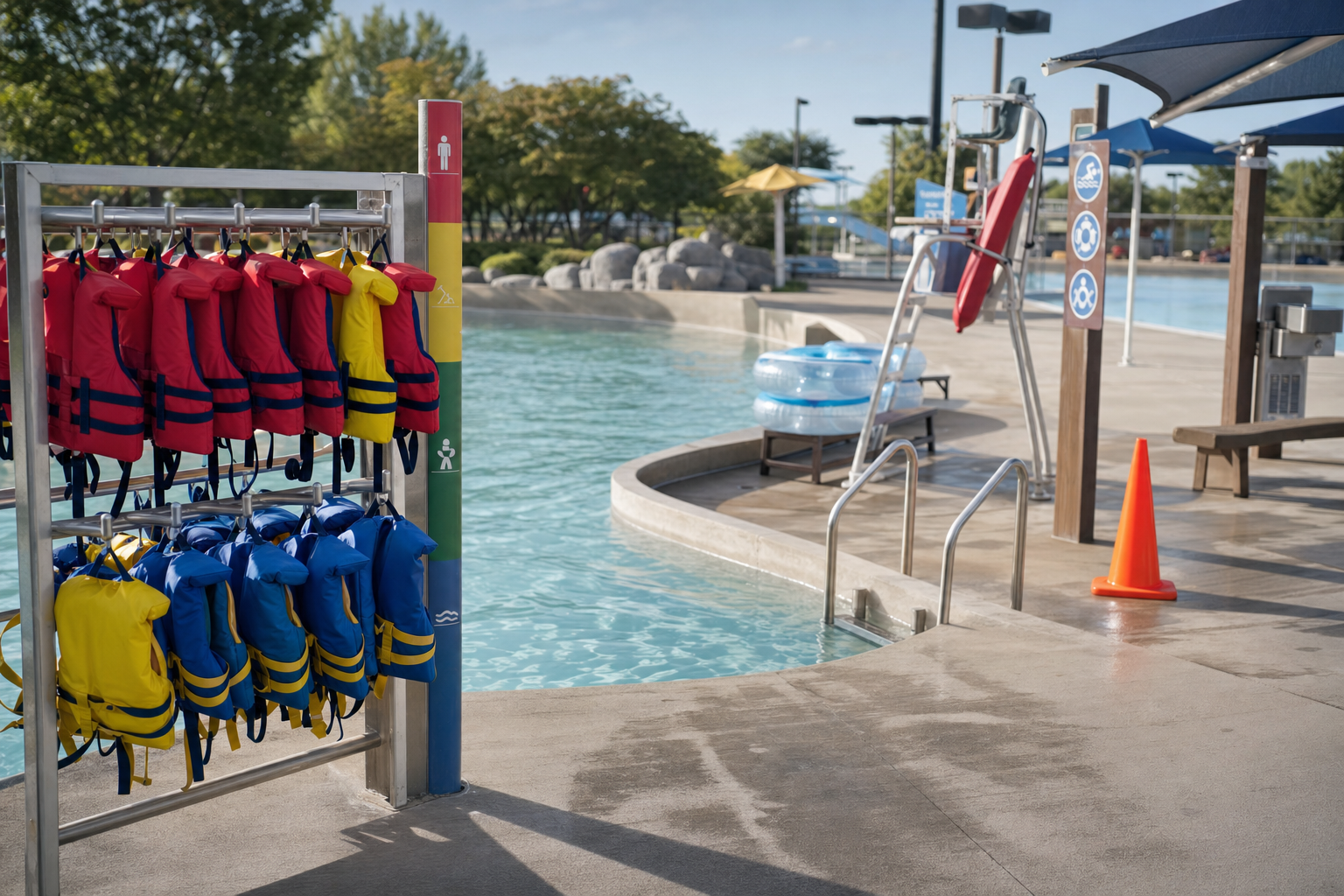
Kids love slides, lazy rivers, and wave pools, but parents need a solid plan so the excitement doesn’t turn into close calls. Here’s your step-by-step family safety plan tailored for children aged 3–12. Start with big wins up front, then dig into the details you’ll want to read before your next splash day.
Know Height & Ability Rules Before You Get Wet
First things first: read and follow all ride rules. Every slide, wave pool, or lazy river has posted height, weight, and ability restrictions for a reason. These rules reduce injury risk and account for water depth, speed, and ride design. For example, many parks in the U.S. require children under about 48 inches tall or weak/non-swimmers to wear a Coast Guard-approved life jacket before entering wave pools or rides. (iaapa.org)
Test swim ability before the trip. If your child struggles to swim 25 meters or get positioned safely in waves or currents, enforce stronger supervision. Being honest about swimming skill helps you choose which attractions are fun and safe.
Set Up Your Supervision Zones
Designate zones inside the park so everyone knows where parents and kids are supposed to stay. One adult might handle slides while another covers the wave pool and lazy river. These “supervision zones” make sure multiple areas are being watched without getting overwhelmed.
With kids aged 3–7, one adult should stay within arm’s reach in water deeper than their height. For 8–12-year-olds who can swim, keep them in sight and stay ready to assist. Loud noise, busy wave pools, and crowded lazy rivers make it harder to spot someone in trouble, so proximity matters.
Know where the exits are from each zone—slides, pools, lazy river. Before entering anything, walk the route out. If a child gets disoriented by wave action or currents, they’ll need to find a safe exit quickly.
Choose Life Jackets & Flotation Wisely
Weak swimmers and non-swimmers should wear Coast Guard-approved life jackets at all times in waterpark attractions—especially wave pools and lazy rivers. Floaties, water wings, or inflatable toys look fun but they aren’t reliable safety devices.
Life jackets must fit properly: the label should match your child’s weight and chest size. Snug straps, buckles fastened, and the jacket should not ride up over chin or ears if lifted by the shoulders. Bright colors or back straps are helpful extras for younger kids.
If you want a structured way to help your child progress at home, the 10-Week Plan guides you step by step.
To improve skills long term, consider enrolling in swim lessons or courses like the 10-Week Plan at swimy.org which teaches water-survival basics and strengthens confidence before the waterpark season.
Wave Pools: Rules & Responses
Wave pools can be one of the riskiest attractions. Big waves disorient non-swimmers, water levels shift suddenly, and crowding means it’s harder to see a child in trouble. Always stay within arm’s reach of younger kids or weak swimmers. For stronger children, keep them no further than eyesight plus voice reach.
[[ctakid]]
Check the wave cycle rhythm and any rest periods. Many parks have rules to pause waves or sound warnings before new waves start—this helps families regroup. (law.cornell.edu)
Teach kids what to do: swim diagonally toward the wall if tired, float or grab a life jacket, and always surf waves feet first. Always follow lifeguard directions. The lifeguards are essential, but they don’t replace your close supervision.
Lazy River Safety and Crowd Awareness
Lazy rivers are tricky: what looks mellow can still have uneven depths, submerged edges, or fast currents near pumps. Always monitor where your child is floating, especially if they’re on a tube or float that can flip or move too far from you. Limit the number of heads on a float. Also avoid too much splashing or rough play—bumping downstream can lead to panic. (amusementrideinjurylawyer.com)
Many lazy river regulations require lifeguards or attendants to have clear, unobstructed sightlines covering every spot. In Ohio code, for instance, no area should be more than 200 feet from the responsible lifeguard or attendant. (law.cornell.edu)
Avoid crowd surges especially at wave pools, slide entrances, or lazy river exits. Pick meeting points outside popular bottleneck zones in case the group gets separated. Use bright clothing or swim caps so kids are recognizable. Rest and hydration stops are key too—over-tired kids lose judgment.
Prepare Ground Rules & Brief Kids Before Entry
Before stepping into the park, run through a family checklist. Decide which attractions each child is allowed or not allowed to use. Explain height limits, when life jackets are required, and what safe behavior looks like—no diving, no roughhousing, always walk on wet surfaces.
Set meeting points you all know: near the concession stand, entrance gate, or a large landmark inside the park. Make sure kids know where to find lifeguards and how to ask for help. Role-playing scenarios like “you get tired in the wave pool, this is where you go” helps reduce panic.
Safety Gear & Surface Awareness
Wet ground equals slips. Water shoes with good grip help protect tiny feet from burns and falls—but many parks ban shoes on certain rides for safety or damage reasons. Always check posted rules before wearing shoes or life jackets on slides.
Slip hazards are often underestimated. Pool decks can get slippery from sunscreen, wet surfaces, or sudden wave splashes. Teach kids to walk, not run. Encourage frequent breaks so they can dry off. Apply sunscreen regularly, and bring shade and water to avoid heat exhaustion. (iaapa.org)
Final thought: No tool, lifeguard, or rule replaces an alert parent. Use height and ability rules, insist on life jackets for weak swimmers, map out who watches what ahead of time, and set clear boundaries. If you follow this action plan, your family’s day in the water—from slides to lazy rivers—can stay thrilling with fewer scares.
120+ swimming exercises sorted by age — with video and instructions. Developed by swim instructors, completely free.

120+ swimming exercises sorted by age — with video and instructions. Developed by swim instructors, completely free.