Clothed Swim Practice for Toddlers: A Gentle, Real-Life Water Safety Guide
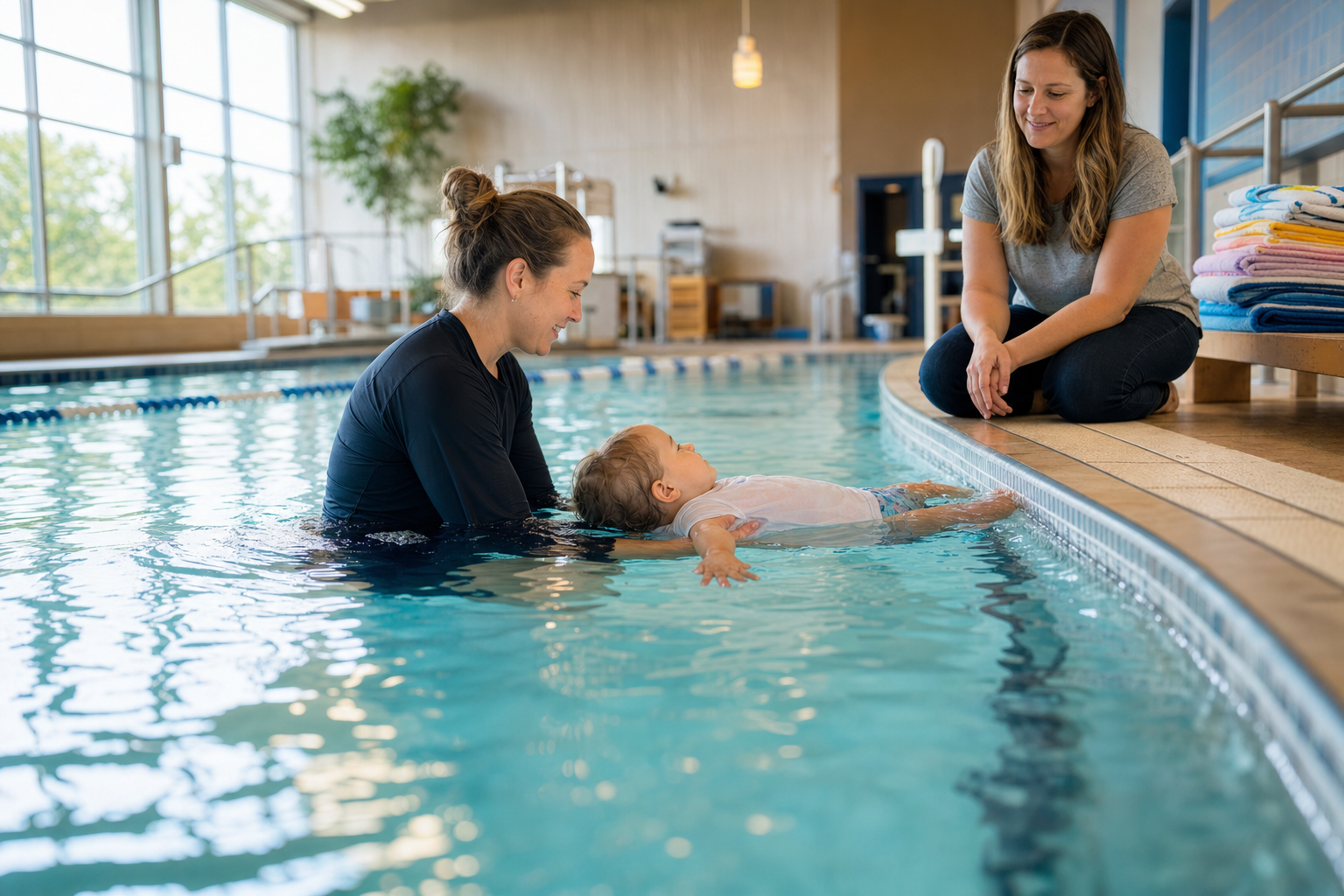
If you’ve ever watched your toddler slip while wearing regular clothes, you know accidents happen when they’re dressed, not in swim gear. That’s why clothed swim practice is one of the most powerful ways to teach real-world water safety. Here’s a clear, parent-friendly guide on when it helps, how to do it gently, and why it’s never for sink-or-swim theatrics.
When Clothed Swim Practice Can Be Useful
For toddlers aged around 18–36 months, practicing swimming or floating in light, everyday clothes can add essential realism. Experts argue that most real accidents—falls into pools, rivers, lakes—occur when kids are fully dressed. So training with clothes helps toddlers recognize how water drags on fabric, how weight shifts, and just what it feels like when clothing gets heavy. (WaterWiseKids explains this sensory difference well in their review of survival swim training.) (waterwisekids.com)
This kind of practice works best after your child already feels comfortable in the water wearing a swimsuit, and only under supervision of a trained instructor with you in or beside the water. The goal is to build realistic response—not to shock or overwhelm.
How Qualified Instructors Can Introduce Clothed Swim Practice Gently
A qualified swim instructor can introduce clothed swim practice through small, carefully managed steps:
First, sessions are short—just a few minutes at a time. Light clothes like cotton t-shirts and shorts go on over swimwear. The instructor ensures the water is shallow and warm, always keeping the toddler within arm’s reach. There’s attention to signs of stress, like shivering or refusal, and the moment your child feels uncomfortable, the instructor stops or switches back to swimsuit-only practice. This ensures trust stays intact.
Second, learning is gradual. Light clothing first, simple floats and short breaths underwater later, then slightly heavier everyday clothes (not boots or jeans) only when the toddler is ready. Each turn ends with warmth—dry towels, cozy clothes, and praise. Medical editors recommend this setup so toddlers stay safe and emotionally secure. (waterwisekids.com)
Third, parents are involved. Not just watching, but often in the water. Parent-child swim lessons give children emotional security and let you learn alongside them. The American Academy of Pediatrics (AAP) calls for “touch supervision” for children under age 4—even during lessons. (healthychildren.org)
Around the middle of this kind of swim training, another resource that many parents follow is the 10-Week Plan from swimy.org. It gradually builds comfort in water temperature, session lengths, and swimwear choices. This plan offers a careful roadmap so that by the end, practising some clothed swim moments feels safe and natural. (swimy.org)
If you want a structured way to build water confidence at home, the 10-Week Plan guides you step by step.
Why Clothed Swim Practice Is Not a Sink-or-Swim Test
Clothed swim practice must be done with sensitivity. It should never be a dramatic reveal or stunt where a toddler is thrown into water fully clothed without preparation. That kind of “test” can create fear, damage trust, and discourage children from learning to swim. No instructor aiming for gentle confidence will use clothed practice like that.
[[ctababy]]
Moreover, their emotional safety matters as much as physical safety. Fearful toddlers should never be pushed into clothed practice at home alone. Without warmth, supervision, easy exits, and light clothing, risks include hypothermia, panic, or worse. All guidance underscores that only skilled instructors plus the parent (or trusted caregiver) present should lead these sessions. (waterwisekids.com)
Key Safety Considerations: Light Clothes, Shallow Water, Immediate Warmth
Safety isn’t optional. For toddlers between 18–36 months the rules are strict: use light clothing—natural fabrics without heavy pockets, no shoes, no boots. Keep depths low and the area controlled. Each clothed turn must be short—think a few minutes. Keep the pool temperature warm enough to avoid chills. After your child practices clothed floats, submersions, or swim-float-swim patterns, dry them off, wrap them in warm clothes, and praise every attempt. These simple steps make all the difference. (waterwisekids.com)
This kind of training should not be done with infants under 18 months or toddlers who are very fearful. At home, without a professional instructor, trying clothed swim practice risks both safety and trust. Wait until your child is developmentally ready, able to follow simple instructions, and shows comfort in the water.
How to Talk about It with Your Child and Stay Parent-Friendly
You don’t need to describe clothed practice like a drill or test. Use encouraging language: “Today we’re going to see what it feels like to float while wearing Grandma’s lightweight t-shirt,” or “We’re pretending we accidentally wore our clothes into the pool, and practicing staying safe.” Frame it as exploration. Let your toddler touch the clothes in the water first, splash, float, maybe just blow bubbles with the fabric nearby. Celebrate every moment—even tiny progress counts.
Having a story helps. I once watched my own toddler’s first clothed practice: she wore a soft cotton tee over her usual swimsuit. She kicked for just a few seconds, screamed when it felt heavy, and then—under the instructor’s arm—floated. After that, she beamed like she’d discovered a superpower. That glow comes from feeling real, not pressured.
Takeaway: Clothed Swim Practice Done Right Can Save Lives
Clothed swim practice for toddlers between 18–36 months, done gently by qualified instructors with a parent present, fills a gap in survival-skills training. It matches what toddlers might face if they accidentally fall into water in everyday clothes—not swimwear. But it must always be gentle, safe, and never used as a dramatic sink-or-swim test. When we follow that path—light clothing, shallow water, short turns, immediate warmth—we help toddlers build confidence and develop muscle memory that can truly protect them.
Water safety is a journey of layers: swim-skills, supervision, barriers, and realistic practice. Cloth-on water safety lessons are one of the most practical layers parents can trust—if done with care.
For expert-led clothed swim practice, always choose instructors certified in child water safety, insist on a parent-involvement policy, and request previews or trial sessions to see if your toddler reacts well. Safety always comes first—and so does your toddler’s comfort and confidence.
120+ swimming exercises sorted by age — with video and instructions. Developed by swim instructors, completely free.

120+ swimming exercises sorted by age — with video and instructions. Developed by swim instructors, completely free.