Swim Shoes for Early Walkers: What Every Parent Needs to Know
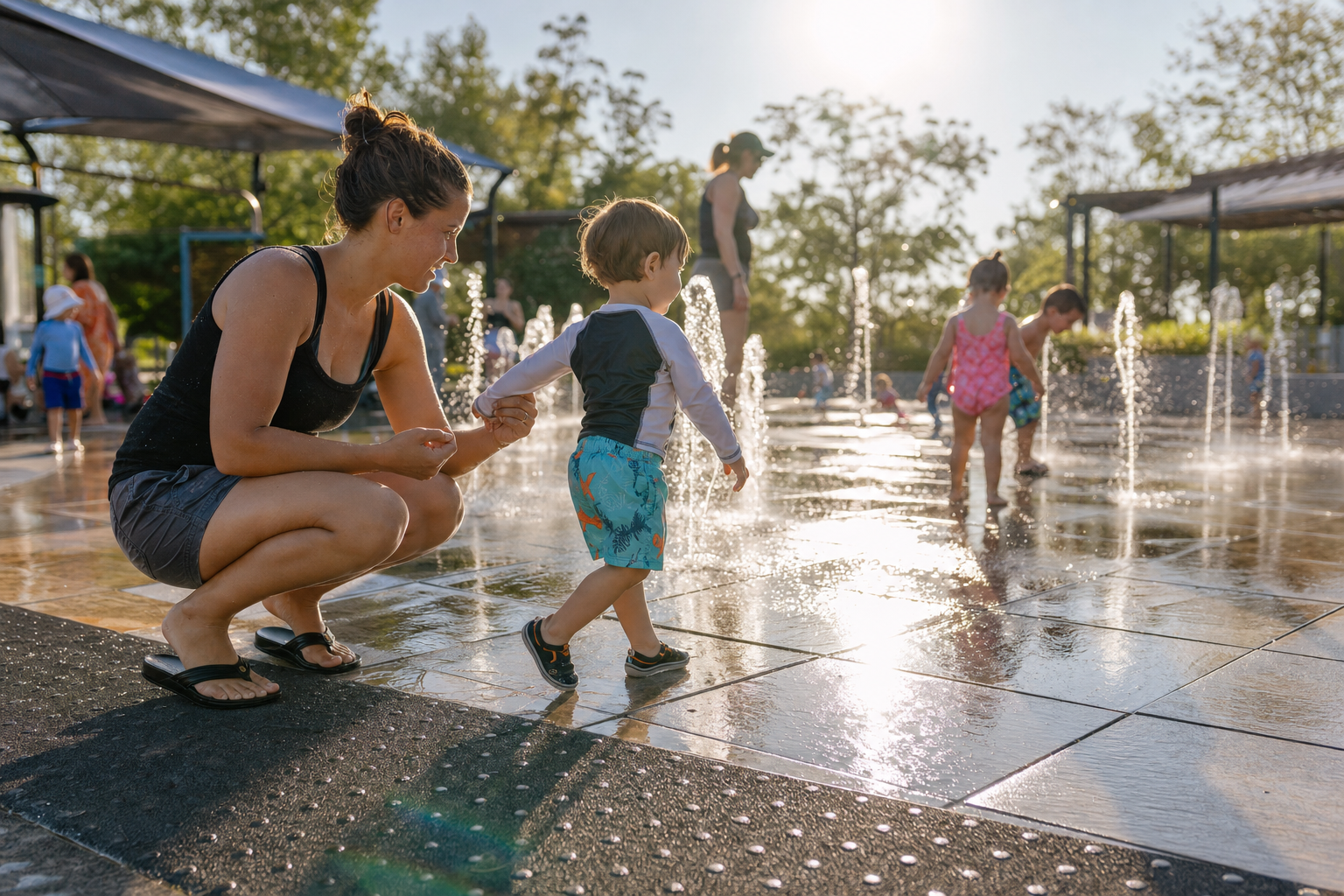
If your toddler—roughly 10 to 36 months old—is cruising or has just taken their first independent steps, you may be wondering: do toddlers need swim shoes? The answer isn’t always a simple yes or no, but knowing when they help, when going barefoot might be better, and which features matter can make a big difference—for both safety and development.
When Swim Shoes Help Most
First, swim shoes are great where surfaces are slippery, rough, or hot. Bare feet don’t grip slick pool decks, splash pads, or wet sand very well. Good baby swim shoes with non-slip rubber outsoles reduce the risk of slips and cuts from rough concrete, rocks, shells, or hot sand. Cloth or plastic footwear sometimes can help avoid burns from heated surfaces too. When your toddler is walking toward water entries, splashing through public showers, or navigating beach rocks, swim shoes add protection that bare skin simply can’t provide. Sources like SwimOutlet explain how modern water shoes are engineered with grip, drainage, and durable materials ideal for these conditions (swimoutlet.com).
Swim shoes also help in splash pads or locker rooms where germs especially linger. A thin barrier protects little feet from potentially harmful fungi or bacteria on pool deck tiles. Health and safety experts like those at Children’s Health highlight that wearing water shoes with traction is one of their recommended safety tips for splash days, along with constant supervision when toddlers are playing near water (childrens.com).
When Barefoot Is Better for Skill & Foot Development
Even though swim shoes offer protection, there are strong reasons to let toddlers go barefoot—especially when practising swimming skills. Bare feet provide better sensory feedback: toddlers feel the ground, maintain better balance, and receive natural proprioceptive cues from toes and arches. Research from Monash University shows that soft-soled footwear has limited impact on gait in newly walking toddlers, suggesting that walking barefoot supports natural development without significant gait distortion (research.monash.edu).
Barefoot time is especially valuable during swim lessons or floating practice. Shoes may add drag or interfere with kicking strength until your child builds core and leg skills. Going barefoot in the water—even with toes just touching the floor—lets toddlers practice kicking, pushing off, and floating freely. While swim shoes support balance and protect feet in certain settings, they should be removed during skills where the foot movement is crucial.
If you want a structured way to build water confidence at home, the 10-Week Plan guides you step by step.
Features That Matter for Safety
If you've decided that swim shoes are the right choice for your child in certain situations, there are features you should always check. First, the sole: look for non-slip rubber soles with deep tread or siping that holds on slick surfaces and wet tiles. Materials matter too: quick-dry mesh or neoprene lets water escape quickly and helps prevent blisters or irritation. Drainage holes in the sole or sides help avoid water pooling and lower the weight of the shoe in wet moments (swimoutlet.com).
[[ctababy]]
Fit and flexibility are also essential. Toddler feet grow fast, so you want a snug but not tight fit; toes must be able to wiggle, but heel and straps must stay secure so the shoe doesn’t slip off. Lightweight design helps avoid bulk that could hamper movement. Closed-toe design gives added protection from shells, sharp rocks, or pool edges, while breathable uppers prevent overheating. Finally, materials that resist UV damage and avoid harmful chemicals are better for the delicate skin of early walkers (swimmerliving.com).
Practical Tips You Can Use Today
Here’s what you can do to balance safety with skill-building for your toddler:
- Use swim shoes selectively: Put them on for beach entry, splash pads, and slippery surfaces. Remove them for swim lessons or when practising floating and kicking.
- Let barefoot time happen often: On soft sand, indoors around tubs, or warm pool shallow areas—barefoot helps foot strength and balance.
- Enroll in swim lessons early, but carefully: The American Academy of Pediatrics and water‐safety groups recommend swim training around age 1–4 to build water readiness, not as “drown-proofing.” Always combine lessons with supervision, life jackets, fences, alarms if possible (healthychildren.org).
- Match the shoe to the activity and season: Before summer holidays, splash‐pad outings, or beach trips, make sure your toddler has a pair that dries fast, offers grip on wet tiles, and defends against heat.
Midway through planning summer gear, you might also explore structured swim programs like the 10-Week Plan from swimy.org for parents interested in pairing safe footwear decisions with aquatics progress.
Safety Caveats: What Swim Shoes Can’t Do
Swim shoes do reduce risk of slipping, cuts, or burns, but they don’t prevent drowning. They do not substitute for life jackets or vigilant supervision, especially in natural water or deep pools. Also, if swim shoes are too thick, rigid, or loose, they can interfere with kicking technique, foot flexibility, or floating practice. Always remove shoes during those critical skills training moments.
Additionally, watch for hygiene issues—wet shoes that stay damp can harbor bacteria. Make sure footwear dries fully before the next use.
What Parents Should Ask Before Buying
Before choosing a pair of toddler water shoes, ask: How non-slip is the sole in wet conditions? Does it protect toes? Is the material breathable and quick to dry? Does the shoe stay on securely even when submerged or when walking on slippery surfaces? Will it allow barefoot time and not interfere with lessons? If the answers check out, you’re on track.
Swim shoes are wonderfully helpful when used in the right place and at the right time. For toddlers aged 10 to 36 months, they offer protection, confidence, and peace of mind—but they also should go hand in hand with barefoot practice, water skills training, and vigilant supervision. By choosing wisely, you’ll help your little explorer enjoy splash pads, pool decks, beaches, and water lessons safely—and happily.
120+ swimming exercises sorted by age — with video and instructions. Developed by swim instructors, completely free.

120+ swimming exercises sorted by age — with video and instructions. Developed by swim instructors, completely free.