Fine Motor Skills Games: 12 Easy Ideas That Show Results Fast
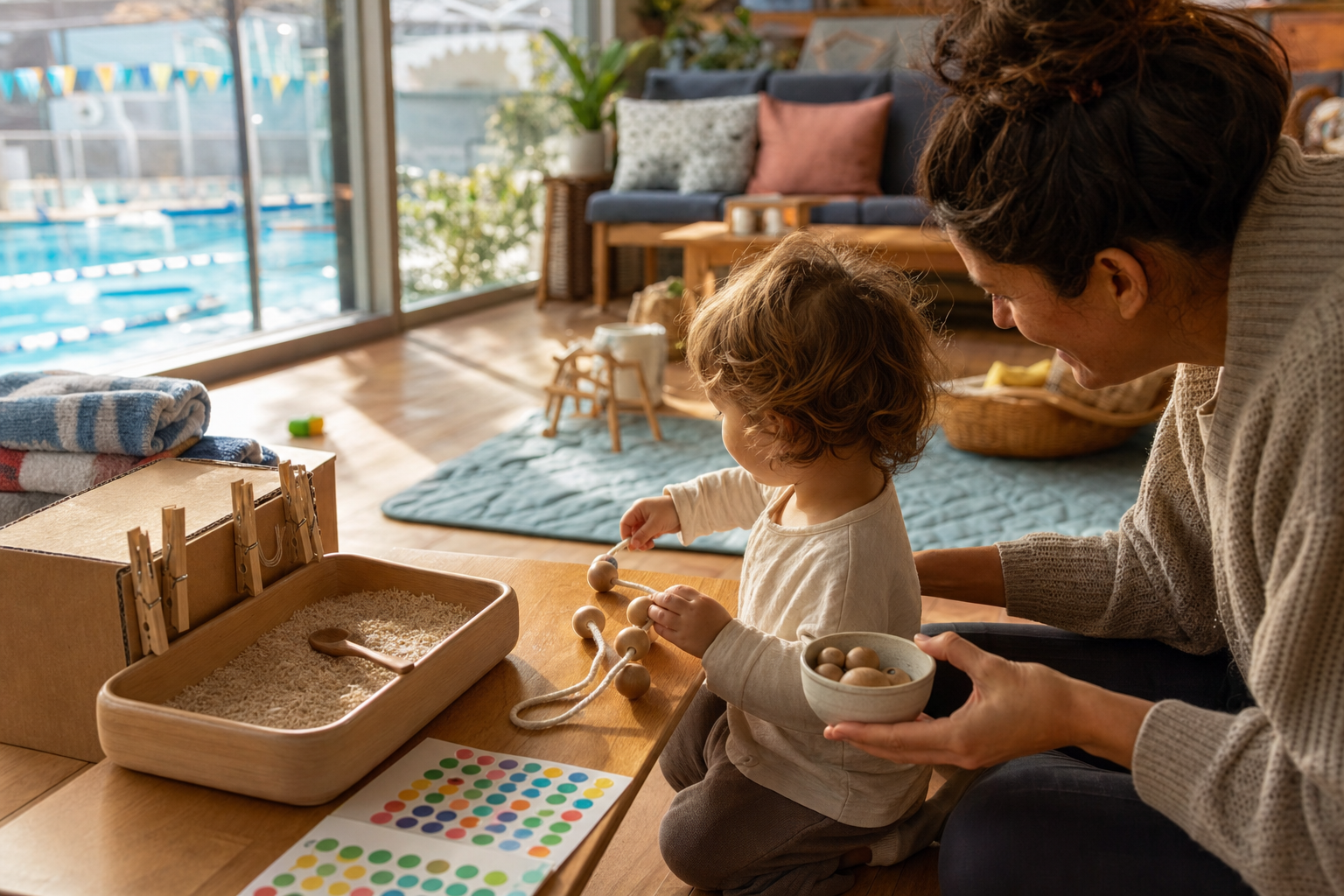
Here’s a strong start: fine motor skills aren’t just about fingers and toys. They shape your child’s ability to feed themselves, get dressed, write, and even interact with others confidently. When you introduce simple games at home, you’ll notice improvements in just a few weeks—with more steady muscle tone, improved hand-eye coordination, and growing pride in accomplishment.
Below are twelve proven, quick-win games parents can do at home with babies and toddlers. You’ll also learn why these skills matter overall—and how to turn daily routines into powerful teaching moments.
Why Fine Motor Skills Are So Important
Fine motor skills are movements using the small muscles in hands, fingers, wrists, and thumbs. They're how kids manage utensils, open zippers, press buttons, or eventually write. Experts say children who develop these skills early are better prepared for school tasks, daily self-care, and independent play.(healthline.com)
These skills also support cognitive and emotional development. When a baby picks up tiny snacks or a toddler stacks blocks successfully, they’re not just gaining muscle control—they’re building confidence and focus. Over time this adds up to real progress that has ripple effects.(montessoriparentguide.com)
12 Games That Show Results Fast
These games are fun, simple, use everyday items, and work for ages roughly 6 months through 3 years. Pick ones that match your baby or toddler’s current skills.
1. Tummy Time With Reaches
Lay your baby on their stomach, 5–10 minutes at a time. Dangle a toy just out of reach so they stretch and grasp. This helps build arm and shoulder strength, which supports fine motor development later.(wonderbaby.org)
2. Spoon or Dry Transferring
Provide two bowls and safe items like pom-poms or rice. Let your toddler use a spoon, tongs, or fingers to move items between bowls. It’s great for grip control and coordination.(ccssensoryplay.com)
3. Sticker Peeling and Placement
Easy to set up. Large stickers first, then smaller ones. Let your child peel and stick on paper, tray, or wall paper with tape. Pressing down with precision helps finger isolation.(myparentingbook.com)
4. Water Dropper Play
Fill a bowl with water and offer a dropper or spoon. Squeezing and releasing builds strength and wrist control fast. Also visually satisfying for little ones.(tinyplay.app)
If you want a structured way to build water confidence at home, the 10-Week Plan guides you step by step.
5. Sticker Shape Posting & Container Slots
Cut slits in containers or lids. Let toddlers slide in craft sticks, cards or large coins. Good for releasing and targeting precision.(tinyplay.app)
6. Peeling Bananas or Other Safe Foods
Let toddlers peel banana skins or segments. Real food, real task, real result. Safe, edible mess that encourages independence.(lpehochiminh.com)
[[ctababy]]
7. Clothespin Clipping
Provide clothespins and something to clip them onto—a basket, a laundry basket rim, or edge of a cardboard box. Opposing fingers must work together.(tinyplay.app)
8. Simple Bead Threading
Use large beads or pasta and a safe string. Working with both hands to thread strengthens coordination. Great introduction to bilateral hand use.(tinyplay.app)
9. Salt Tray Drawing
Fill a shallow tray with salt. Let your toddler use finger or fingertip to draw lines or shapes. It’s gentle, forgiving, low-pressure practice.(tinyplay.app)
10. Tear-and-Rip Paper
Let them tear tissue paper or newspaper. One hand holds, the other pulls. Bilateral work that surprises adults with how effective it is.(myparentingbook.com)
11. Pour and Scoop
In a basin or tray, let them scoop out dry beans, rice, or water and pour into cups. Early math, early science, and strong hand motions all in one.(ccssensoryplay.com)
12. Finger Paint or Edible Craft Mess
Use large non-toxic paint or edible paint like yogurt with food color. Spread on paper or high-chair tray. Smearing, pressing, cutting with safe scissors—all nurture fine control.(healthyyoungminds.com)
How to Make These Games Work Faster
First answer: consistency and intention. Short daily sessions—5 to 15 minutes—beat longer, rare ones. Babies and toddlers learn best through repetition and small wins. The Montessori-inspired guide 10-Week Plan can help you set simple goals and track progress weekly, turning these games into part of your routine.
Always supervise, especially with small items. Rotate materials so things stay novel but not overwhelming. Narrate what you see: “You lifted the scoop,” “I see your thumb and finger coming together.” That kind of talk boosts vocabulary and awareness.
Pairing games with daily routines—morning, bath time, meals—makes them fluid parts of the day. Fine motor skill development doesn’t need a playground; it grows in kitchens, bathrooms, on sofas.
Signs of Progress & When to Seek Help
You’ll see tiny wins at first: your baby uses thumb and forefinger to pick up snacks, places items more accurately, can hold a spoon steadier. Toddlers will begin doing things like peeling stickers without your help, using tongs, or dressing with less assistance.
If by age 2 your child consistently struggles with basic finger skills like pointing, transferring items, or using a spoon with reasonable control, you might want to check in with a pediatrician or occupational therapist. Early support can make a big difference.(healthline.com)
Fine motor games are little magic: small moments at home that draft giant leaps in your child’s independence, motor ability, and confidence. Start with what feels doable, repeat often, celebrate every tiny success—and you’ll see results fast.
120+ swimming exercises sorted by age — with video and instructions. Developed by swim instructors, completely free.

120+ swimming exercises sorted by age — with video and instructions. Developed by swim instructors, completely free.