Ear Piercing Before Baby Swim: What Parents Really Need to Know
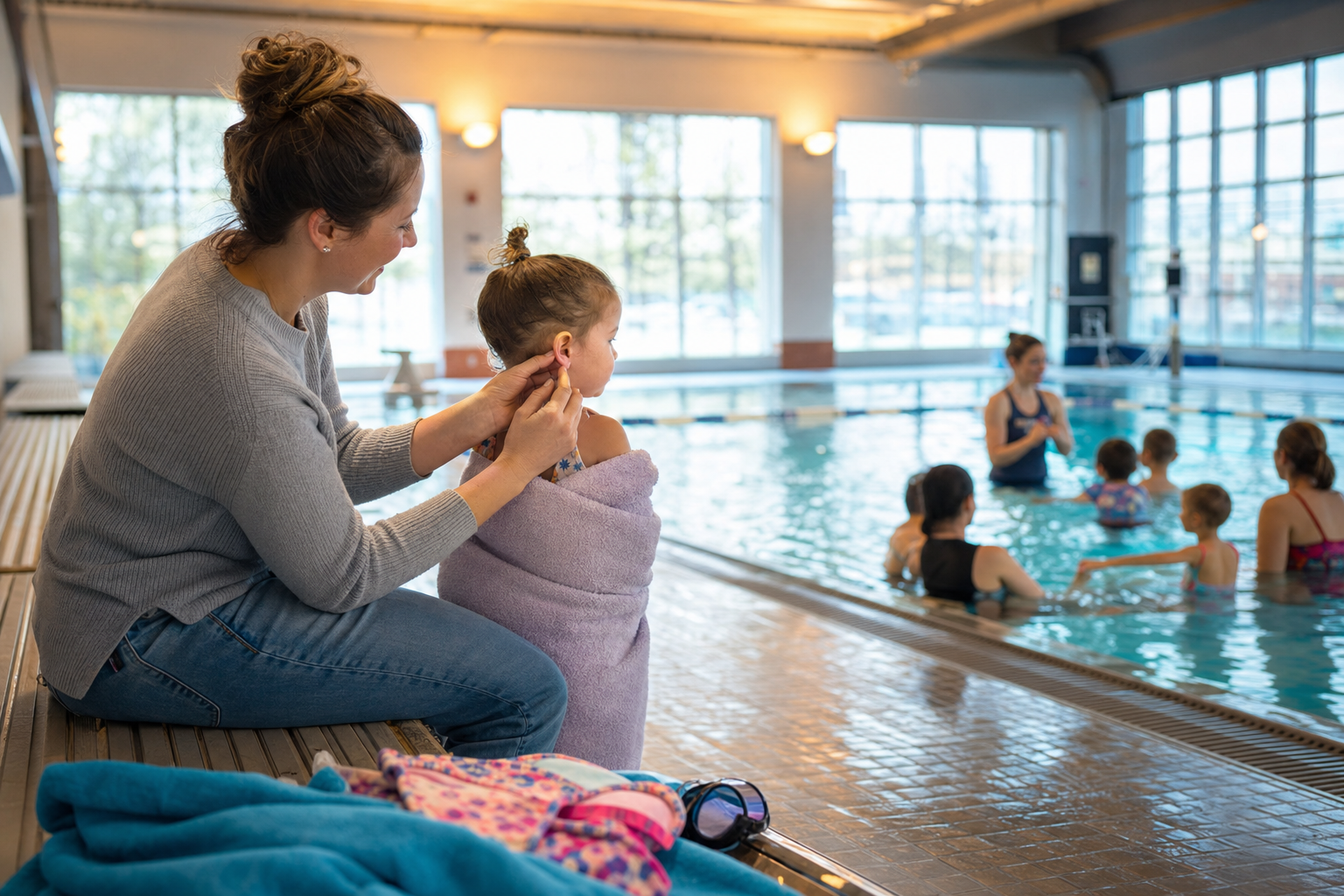
If you're planning a beach vacation, poolside fun, or baby swim lesson this summer, timing ear piercings for infants and toddlers (ages 6–36 months) is more critical than you might think. Swimming too soon after piercing puts your child at risk of painful infections and irritation. Let’s dive into what experts recommend, how to plan wisely around your pool calendar, and when to get help from a professional.
How Long Before Swim Lessons Should You Wait?
The gold standard for ear piercing aftercare is no swimming while the piercing heals. Mayo Clinic explicitly advises avoiding pools, hot tubs, lakes—any body of water—until the pierced skin is fully healed.(mayoclinic.org) For soft earlobe piercings, that means waiting at least six to eight weeks; for cartilage piercings, healing can stretch to six months or longer.(health.clevelandclinic.org)
In the UK, NHS guidance is a little less specific about weeks, but they do say no swimming for the first 24 hours after piercing.(nhs.uk) However, to prevent otitis externa—aka swimmers’ ear—experts say keeping new piercings dry until fully healed is essential.(nenc-healthiertogether.nhs.uk)
So, if swim lessons or vacation photos are on your calendar, plan the piercing at least two months in advance. If you’ve got more time, great—more healing time helps.
How to Time Piercing Around Pool Plans
You want your child’s first swim or vacation portrait without red, sore earrings or infection. Here’s how to map it out.
Start by noting when you expect the first pool day or holiday photo shoot. If it's summer, piece pretty earrings into early spring. This gives six to eight weeks for lobe piercings—which usually heal by then. If your child has cartilage piercings, give them three to six months before water exposure.
Parents introducing the “10-Week Plan” from swimy.org often time swimming lessons or pool exposure around that schedule. You can get your child’s ears pierced at the start, follow through with proper aftercare, and aim for safe first swim at week 10. USMS (U.S. Masters Swimming) supports this caution, advising against swimming until full healing.(usms.org)
If you want a structured way to build water confidence at home, the 10-Week Plan guides you step by step.
Early in the season is usually best; that way, any signs of infection can be addressed well before travel or photos, and your child can enjoy the water without setbacks.
Everyday Care: Avoiding Mistakes That Cause Trouble
Even if you wait the right amount of time, careless choices can still lead to irritation or infection. First, avoid relying on waterproof plasters. They often trap moisture, which actually helps germs grow. Mayo Clinic warns that submerging healing piercings in water increases risk of infection.(mayoclinic.org)
[[ctababy]]
Dress your child in clean clothes, clean or wash your hands before touching the earring, and gently rotate the earring once or twice a day. Use a sterile saline wash or mild soap—not hydrogen peroxide or alcohol, which can irritate too much. If aftercare instructions suggest an antibiotic ointment, follow those carefully.(healthychildren.org)
Sun protection also matters; exposed skin near piercings is delicate. Keep out of direct sunlight and avoid applying lotion or sunscreen right on the piercing until fully healed.
Recognizing Signs When You Should Get Help
Healthy healing includes mild redness, sensitivity, and some light fluid or crust—but only briefly. If your toddler’s ear stays red, gets swollen, develops yellow, green, or smelly discharge, or your child has fever or seems ill, contact your pediatrician or piercer. These are signs of serious infection.(nhs.uk)
If healing stops or setbacks happen—maybe you let water in too soon or forgot aftercare—take it seriously. Treat following guidance from Healthier Together UK, NHS, or a trusted clinic. Prompt treatment—warm compresses, proper cleaning, sometimes prescription drops—can prevent long-term issues.(nenc-healthiertogether.nhs.uk)
What to Ask a Clinician or Piercer
Choosing the right professional matters. Medical guidance tells you to use gold or sterling silver earrings with smooth, round backs to reduce bacterial buildup.(healthychildren.org) Pick someone who uses sterile tools and has good reviews or licensing. If anyone used a piercing gun, double-check how often it’s cleaned. Sometimes a sharp, sterile needle done well is safer.(hopkinsmedicine.org)
Ask what’s involved in aftercare, and when it’s safe to swim—or whether swimming with earplugs and a cap might be allowed later on. Trust the professional if they suggest longer healing time. Every child heals differently—what works for one may not for another.
New ear piercings before baby swim lessons or vacations are completely doable, as long as timing, hygiene, and realistic expectations are respected. Planning ahead lets your child enjoy the water—and parents enjoy peace of mind. Letting healing happen fully is the best guarantee that your baby's first dip will be safe, happy, and sparkly.
Stay dry, stay vigilant—and yes, swim lessons can wait until ears are ready.
120+ swimming exercises sorted by age — with video and instructions. Developed by swim instructors, completely free.

120+ swimming exercises sorted by age — with video and instructions. Developed by swim instructors, completely free.