Non-Swimming Parent? Supervise Like a Pro
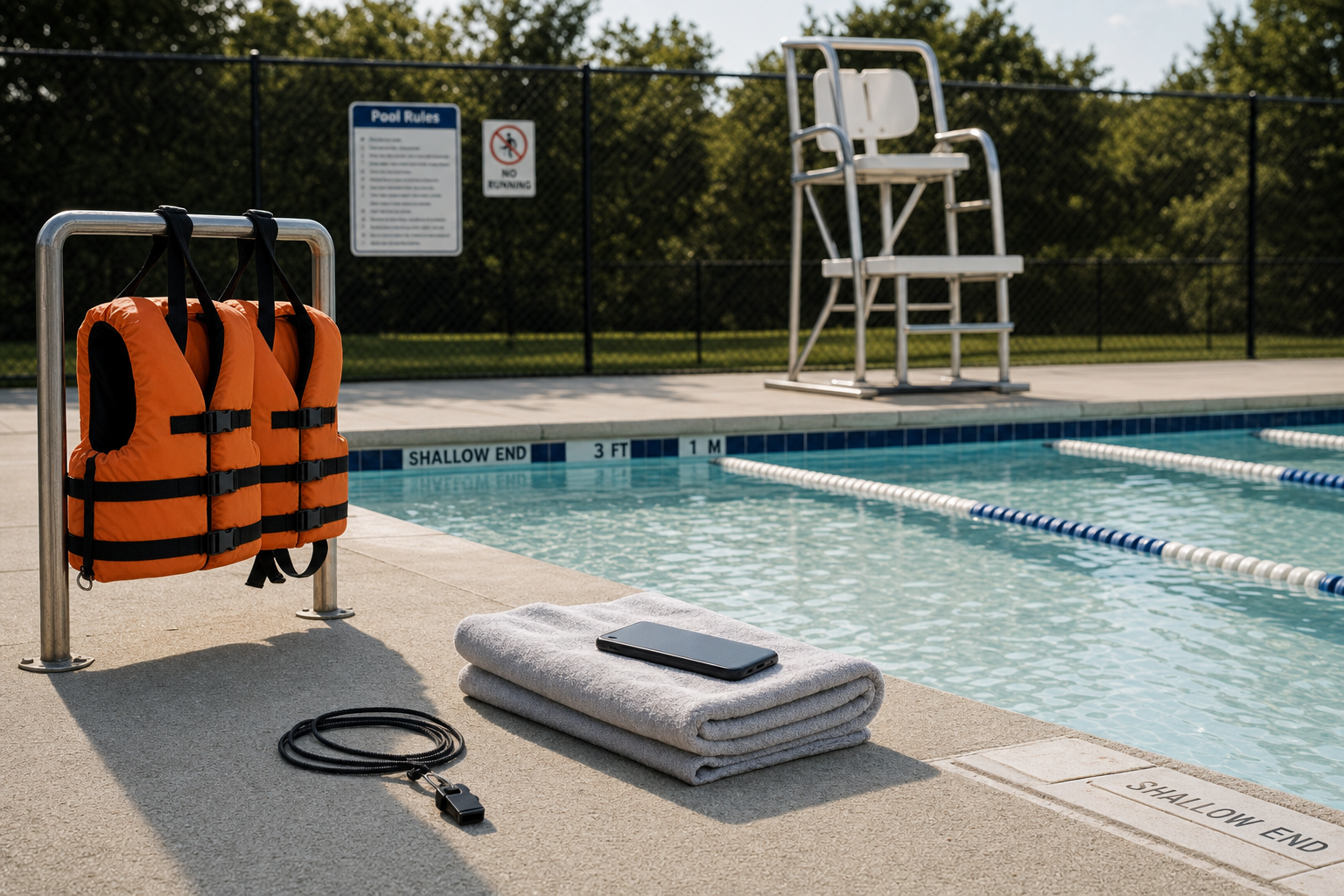
You might not swim—but that doesn’t mean you can’t master supervising kids around water. When your child ages 3-12 wants pool or open-water time and you're a non-swimmer, these strategies help you stay sharp, confident, and effective. You’ll still make water memories, just safer ones.
Pick the Right Venue: Guarded + Small Depths
When you can’t swim, the venue matters more than ever. Always choose a lifeguarded facility: a public or community pool where trained professionals are watching. Lifeguards add a key safety layer, especially when you're supervising non-swimmers. On-site guards reduce risk even if you’re keeping watch yourself.
Seek shallow, gradual-entry pools or splash pads where water depths stay below chest level for ages 3-12. In open water—lakes, beaches—stick to marked swim zones and avoid steep drop-offs. You want curves, safety signage, and clear rules; these features help make supervision easier and safer.
Natural water spots have extra risks—currents, unexpected depths, and shifting bottoms. Experts at Stanford emphasize that water competence isn’t just about swimming skill, but knowing the terrain and respecting changing conditions. (stanfordchildrens.org)
Set Rules Before Splashing
Non-swimmers supervising kids need clear, firm boundaries. Start with shallow-water rules: no going past waist or chest depth unless a competent adult is right there. No diving, pushing, or running near any pool edge—that’s where slips happen.
Every child, even strong swimmers, needs to know safety rules. Post them visibly or go through them before entering the water. Reinforce "stay in the shallow end" and “stay where I can touch you.” The American Academy of Pediatrics reminds that swimming lessons reduce risk—but do not replace constant supervision. (healthychildren.org)
Approved Life Jackets > Floaties or Swim Aids
Always go for U.S. Coast Guard-approved life jackets sized for your child. They’re built for safety, buoyancy, and visibility. The CDC warns that water wings, arm floaties, or blow-up toys give a false sense of security and often fail at precisely the wrong moment. (cdc.gov)
If you want a structured way to help your child progress at home, the 10-Week Plan guides you step by step.
Make sure life jackets are securely fastened, not loose, and worn correctly every single time near water. Both in pools and open water, they should stay on—not used just “around water sports” or boating. HealthyChildren.org makes clear: choosing the right PFD (personal flotation device) and teaching kids to wear them properly are indispensable. (healthychildren.org)
Position Yourself as a Watchful Water Watcher
You’re the anchor. No distractions. Phones silenced, no reading, no side-conversations. If the kids are swimming, you stay seated or standing so you have clear sightlines. Don’t leave your post until relief arrives.
Young kids or non-swimmers require “touch supervision”—you stay within arm’s reach of them so you can grab them if needed. The Water Safety USA group points out that even when there is a lifeguard, your attention must never stray. (watersafetyusa.org)
When supervising multiple children, pair up with another adult. Rotate “water watcher” shifts every 15-30 minutes so fatigue doesn’t dull your vigilance. If help isn’t available, scale back how many kids are in your care in the water.
Mediate the Midpoint: Backup and Preparedness
[[ctakid]]
Have a backup plan: another competent adult who can supervise if something unexpected comes up. Also, always ensure you have rescue equipment and access to emergency services—floating and reaching tools, CPR training, and a phone nearby. Consider taking small adult swim or rescue classes if possible—it won’t make you a pro, but it boosts confidence and readiness.
Swim lessons? Absolutely for kids—ages 4 and up, or earlier if they're ready. And yes, there is an excellent option you might explore: the 10-Week Plan from swimy.org offers structured swimming education for school-age children. It helps kids build water skills gradually so future pool time is safer and more fun.
Pitfalls to Watch for (Especially When You Don’t Swim)
Phones are the sneakiest hazard. That notification can wait. Many drownings happen during “non-swim time”—i.e., when water isn’t expected to be in use but someone wanders in or kids play around water unsupervised. Pool fences, locked gates, alarms help. (poolsafely.gov)
Deep-end drift is another danger: kids might slowly float into deeper areas without notice. If you can’t swim, you won’t be able to help confidently. Restrict access to deep ends unless secured by lifeguards and only when strong swimmers are present.
Supervising multiple kids multiplies risk. Even four strong swimmers need watchful eyes; one non-swimmer needs your full attention. Don’t spread yourself thin. Keep the group small or ask for help.
Year-Round Safety, Summer Peak
Water risks don’t vanish in cooler seasons. Indoor pools, splash pads, water parks are still active options year-round—you still need all the same rules: supervision, approved life jackets, shallow water, lifeguards, no floaties as substitutes.
During the summer months, pools, beaches, and lakes are busy. Patrols may be stretched, crowds high. That means your role as a watchful, undistracted caregiver becomes even more vital.
When you can’t swim, strong supervision isn’t a burden—it’s a skill you can learn. You don’t need to leave the kids out of water fun. With carefully chosen venues, clear rules, approved safety gear, and undivided attention, you’re already supervising like a pro. Water time becomes safe and still full of laughter. Stay present, stay prepared, and you’ll keep the splashes joyful and the risks low.
120+ swimming exercises sorted by age — with video and instructions. Developed by swim instructors, completely free.

120+ swimming exercises sorted by age — with video and instructions. Developed by swim instructors, completely free.