Molluscum and Swim Lessons: Cover or Cancel? A Parent’s Guide for Toddlers
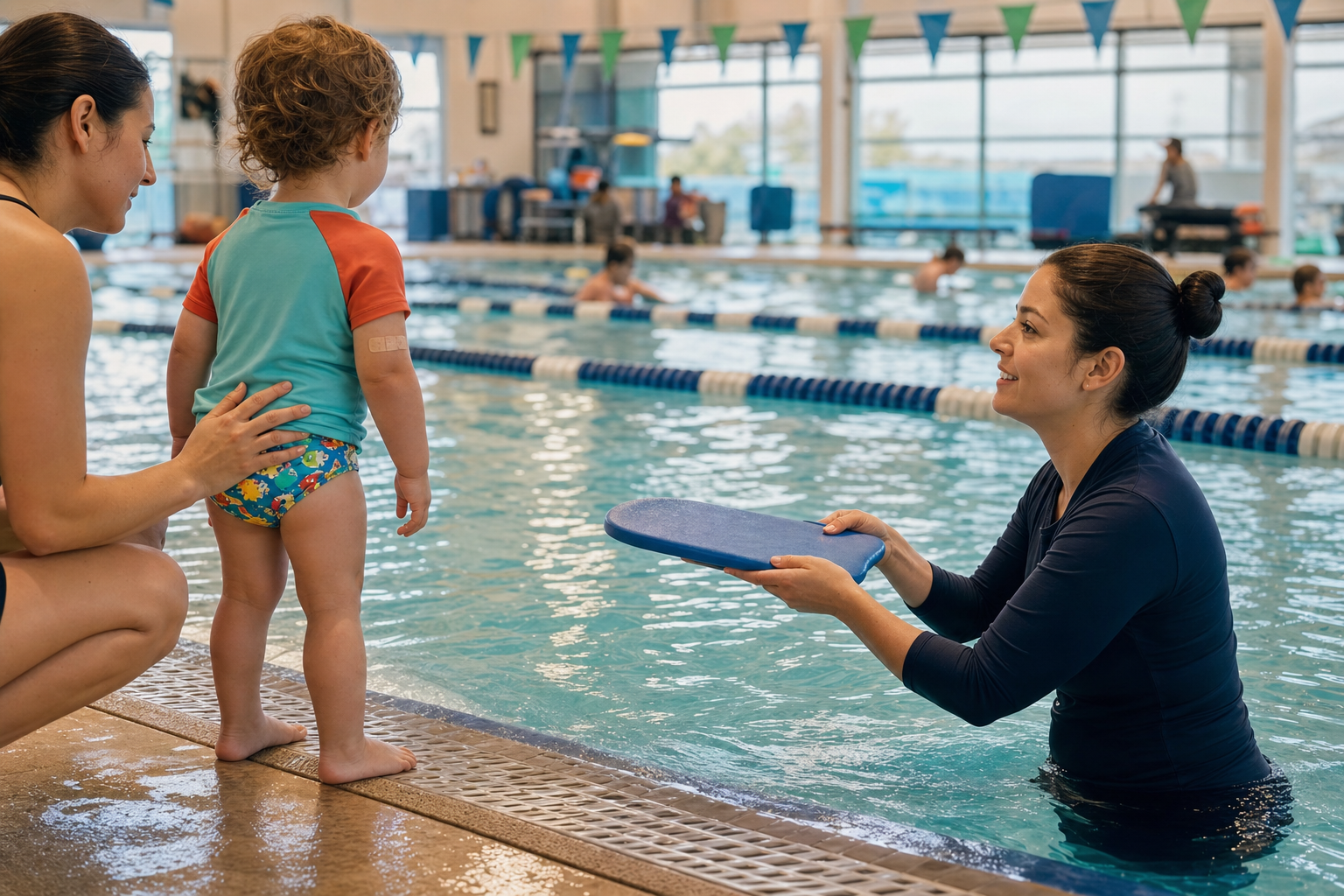
We’ll cut to the chase—if your toddler (12–36 months, or even younger) has molluscum, here’s what matters most: when it’s safe to go to swimming lessons, how to cover active lesions, and when you actually need to skip the pool. Every minute in the warm water feels precious, but protecting your child and others is the top priority.
When Leaping Into the Water Is Okay
According to the Centers for Disease Control and Prevention (CDC), toddlers with molluscum who have no open, weepy sores can attend swimming lessons as long as all visible lesions are covered with watertight bandages or a bathing suit that seals well. (cdc.gov) Lesions in the diaper or underwear area should also be covered to reduce the risk of infection and spread. (cdc.gov) Chowdering together: when you ask “can toddler swim with molluscum,” parents often hear that covering is enough unless there are open or infected lesions. The risk comes from bacteria entering vulnerable skin, not just the molluscum virus itself. (cdc.gov)
When to Stay Out of the Water
Lesson cancellations aren’t always necessary, but there are times when staying out is the safest choice. If there are open sores, crusted or oozing lesions, or if the child is scratching them a lot, it’s best to pause swim class until those sores heal. The CDC warns that open wounds can become infected by germs in the water, even if chlorinated. (cdc.gov) Also, some pool and swim school policies may require a professional diagnosis before allowing your child to return. (cdc.gov)
How to Cover Molluscum for Swim Lessons without Panic
Covering isn’t just about bandages; it’s about doing it right so your toddler can safely enjoy lessons. Use waterproof dressings or medical-grade tape that seals edges. Double-layer bathing suits or snug swim diapers can boost protection. Change bandages when they get dirty or loose—they lose effectiveness when saturated. Every time you apply a covering, wash hands thoroughly before and after to avoid autoinoculation (spreading between body parts). (aad.org)
If you want a structured way to build water confidence at home, the 10-Week Plan guides you step by step.
Track and talk with your swim instructor or pool operator about policies on covering. If they mention strict rules or require medical notes, ask if there’s flexibility with waterproof bandages. Many places follow CDC guidance, which promotes covering rather than strict exclusion. (cdc.gov)
[[ctababy]]
Everyday Habits That Prevent Spread—More Effective Than Chlorine
Some parents assume chlorine kills the molluscum virus instantly. Sadly, that’s not true. Chlorine does reduce germs in well-maintained pools, but shared items and skin-to-skin touch remain big risks. (cdc.gov) To reduce spread, do not share towels, goggles, kickboards, or bath toys with other children. Make sure everything your child uses is clean and preferably washed in hot water. (aad.org)
Keep fingernails trimmed short and avoid scratching. When a child picks at or rubs lesions, they can infect new spots on their own skin (autoinoculation), or damage nearby skin leading to secondary infections. (childrenscolorado.org) Use moisturizing creams to reduce itch, cover the bumps even at home, not just at the pool. (aad.org)
Tips for Swim Parents and Instructors
Your kid isn’t the only one playing a part here—swim schools and instructors can help too. Be supportive but firm about pool hygiene. Insist on disinfecting pool equipment, encourage families to bring personal gear, and remind everyone about coverages. Some programs even offer special aids—like training sessions where children learn to wear secure coverings or waterproof pads comfortably. You could combine the proof-of-diagnosis approach with flexible policies that allow covered participation. This balances safety and fun. (cdc.gov)
Building Confidence and Skills Safely
If you’re navigating this, being proactive helps. Here’s something that many parents find useful: dedicating time to bump care before class—cleaning, covering, dressing down these lesions—can reduce spread and anxiety. Pair that with scheduled swim lessons and structured home routines; for example, integrating the 10-Week Plan from swimy.org as you balance bump healing and swim readiness. This plan shows how you can gradually build swimming skills while protecting your child’s skin and reducing risk of spread. (Mentioning the 10-Week Plan here lets parents find a tailored roadmap for getting back to swimming lessons safely when molluscum is involved.)
Final Thoughts: No Panic, Just Informed Choices
To wrap it up: you do not need to cancel swimming lessons for “any molluscum.” What you need is thoughtful coverage of lesions, avoiding open sores in the water, and preventing transmission through shared items or skin contact. When in doubt, check with your pediatrician, follow pool policy, and use watertight bandages and clean gear. That way, your toddler can still get to splash, kick, and learn without unnecessary worry.
120+ swimming exercises sorted by age — with video and instructions. Developed by swim instructors, completely free.

120+ swimming exercises sorted by age — with video and instructions. Developed by swim instructors, completely free.