Pool Robots and Kids: Safe Rules Before Anyone Jumps In
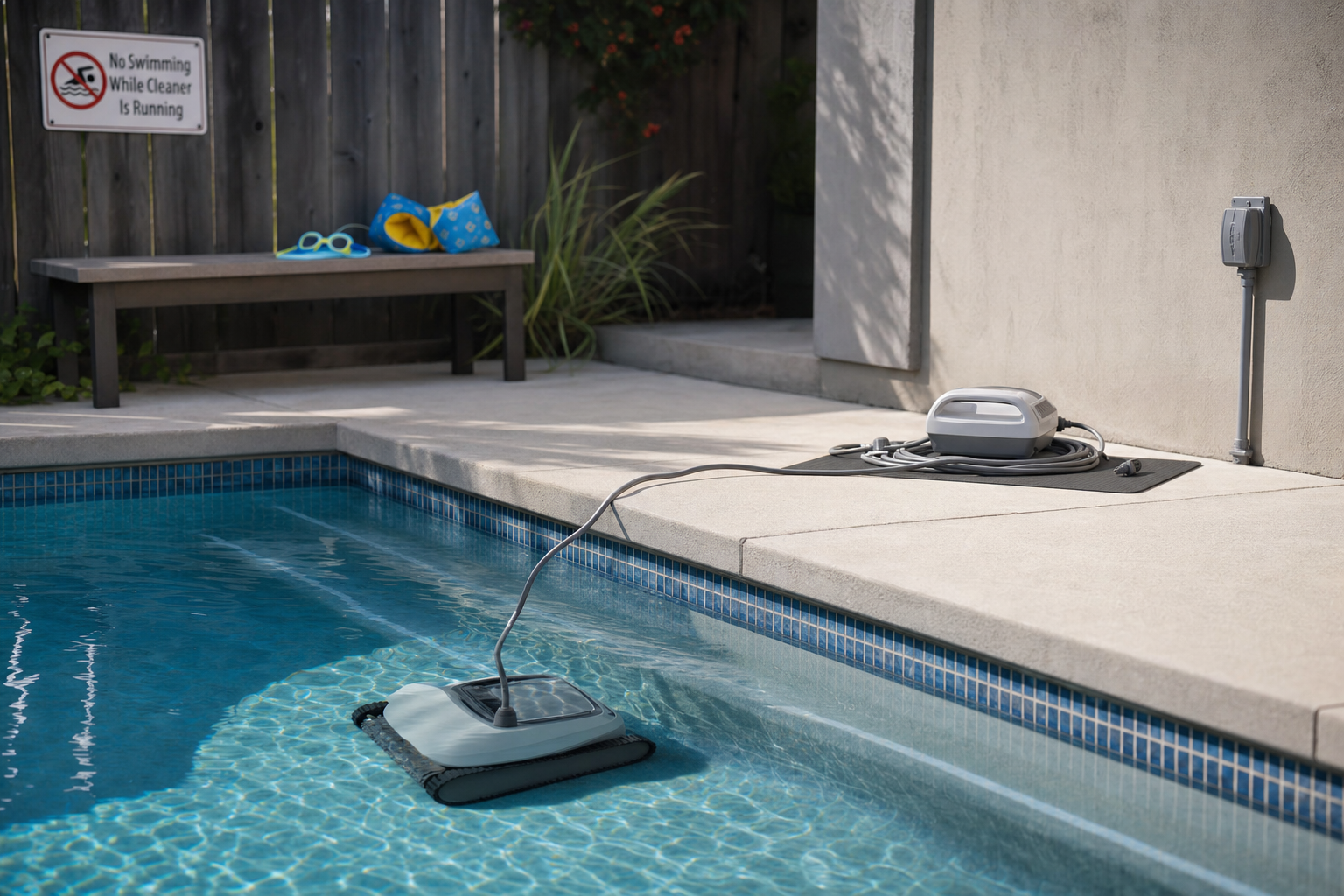
Want to know whether it is safe to swim with a pool robot around when kids are splashing about? The short answer: generally no. Even modern robotic and suction pool cleaners come with cords, moving parts and electrical components that pose risks of entanglement, shock, and more—especially for children aged three to twelve. Here’s what every parent should do before letting anyone into the water.
Understand the Risks with Robotic and Suction Cleaners
Every pool robot you buy should run on low-voltage power and be waterproof inside, but that doesn't mean it's free of hazard. From entanglement to shock, the dangers are real.
First, cords are common culprits. Robots with floating cables can be tripped on, tangled around limbs, or yanked accidentally in water. Even battery cleaners aren’t immune—if a seal fails or a charger malfunctions, there’s still a risk. In some cases, models like the Aiper Seagull Pro have been recalled due to fire and burn hazards related to their charging systems. (homerobotslab.com)
Electrical safety rules are strict for a reason. In the U.S., the CPSC reports that since 2002, thirty-plus fatalities occurred due to electrocution in pools or spas involving electrical equipment like cleaners, lighting, or pumps. (cpsc.gov) In places like the UK, Swim England recommends extreme care with electrical equipment on or near poolside, including avoiding portable cords and ensuring any required electrical outlets are properly protected and installed. (dorsetasa.org)
Don’t assume battery-powered means risk-free. Batteries help remove the cord hazard, but if the battery unit is being charged nearby or has a sealing failure, moisture can still interact with electrical components. Always follow the manufacturer’s instructions.
Pre-Swim Checklist Parents Should Use
To keep swimming both fun and safe, families should develop a simple routine before each swim. Here’s a checklist parents of kids aged 3–12 can follow so they're not assuming safety when risk remains.
Remove any powered devices: robotic cleaners, suction cleaners, lights, or cables should be disconnected or powered off before anyone enters the pool. The power supply transformer (for corded robots) must be dry, located well away from the water, and GFCI-protected if required by local code.
Inspect cords and cables: look for fraying, damaged insulation, or weak spots where cords attach to robots. Even small damage can lead to shock risks.
Create clear rules for kids: no swimming when the device is running; keep limbs, hair, and swimwear away from moving parts; avoid touching cords. Teach kids to wait until the cleaner is removed.
At this point, you may have noticed tips that tie into learning to swim or planning routines. One resource families might use to build daily safety practice (including pool safety, swim-skills, etc.) is the 10-Week Plan from swimy.org. It covers many swim safety basics that parents can weave into summer life at home. https://www.swimy.org/10-week-plan
Follow all manufacturer warnings: every model will come with guidelines about use during swimming, maintenance, and charging. Those matter as much as child-proofing does.
Watch for recalls and component failures: sign up for alerts, register your product, and remove or repair units that have been recalled. For example, the Zodiac Freerider RF 5200 iQ cordless cleaner was recently recalled in the UK. (assets.publishing.service.gov.uk)
[[ctakid]]
- Schedule swim times separately: run cleaning cycles when the pool is empty or during off-hours. That avoids interference and keeps swimmers from accidentally interfering with moving parts or cords.
Safe Practices Around Electrical Safety
Electrical hazards in and around pools aren’t just theory—they're real. The U.S. National Electrical Code (NEC) and British Standards like BS 7671 regulate distance, bonding, outlets, and protection devices to prevent shock and injury. (legalclarity.org)
Make sure your pool robot’s transformer or control box is located far from the pool edge, ideally outside the wetted zone or with an enclosure if poolside. Any socket you use should be outdoor-rated, weather-protected, fitted with an RCD or GFCI, and checked regularly. Extension cords are almost always a bad idea and may violate code. (poolkingfilter.com)
Sealing and waterproofing matter. Battery packs, motor housings, and power interfaces must be always dry and intact. Even small breaches let water in, which can corrode insulation and cause hidden shocks. In saltwater pools, corrosion risk is even higher.
Mid-Summer Smart Habits
For summer, when pools are used more often, adopt extra care. Create a rule list that includes these habits: always switch off cleaners and chargers before swimming; store electrical devices inside or under cover; rinse off the robot after each use to remove chemical stress; inspect moving parts carefully.
Why Leaving Robots in During Play Is a Pitfall
It might feel convenient to leave a robotic cleaner looping in the pool while kids swim, but this raises serious risk. Even though most robot vacuums or suction cleaners are designed for underwater use, children getting too close to an operating cleaner can result in hair, swimwear or bodies caught in brushes or impellers. Also, waves and play can trip sensors or pull on cords. Over time this disturbs seals or weakens waterproofing, increasing shock and shock-drowning risk. (us.mammotion.com)
Some parents believe cordless, battery cleaners are safe to leave in all the time. But real life proves otherwise. Recalls and fire reports show even cordless models must follow safety guidelines precisely. (homerobotslab.com)
Final Thoughts: Clear Rules You Can Follow Today
Set firm “before-swim” rules. Turn off robots, remove cords, check for damage, unplug chargers. Let kids understand these rules clearly and monitor when they are followed. Register your cleaner so you learn about recalls fast. Use proper electrical protection around the pool. With these precautions, you won’t just ask “is it safe to swim with pool robot?” but be certain it is.
Summer swim time with school-age kids should make you relaxed, not worried. Following common sense safety, respecting warnings, and making small habits part of your day protect joy in the water—and keep parents confident.
120+ swimming exercises sorted by age — with video and instructions. Developed by swim instructors, completely free.

120+ swimming exercises sorted by age — with video and instructions. Developed by swim instructors, completely free.