The Pool Climb-Out: A Must-Know Self-Rescue Skill for Kids
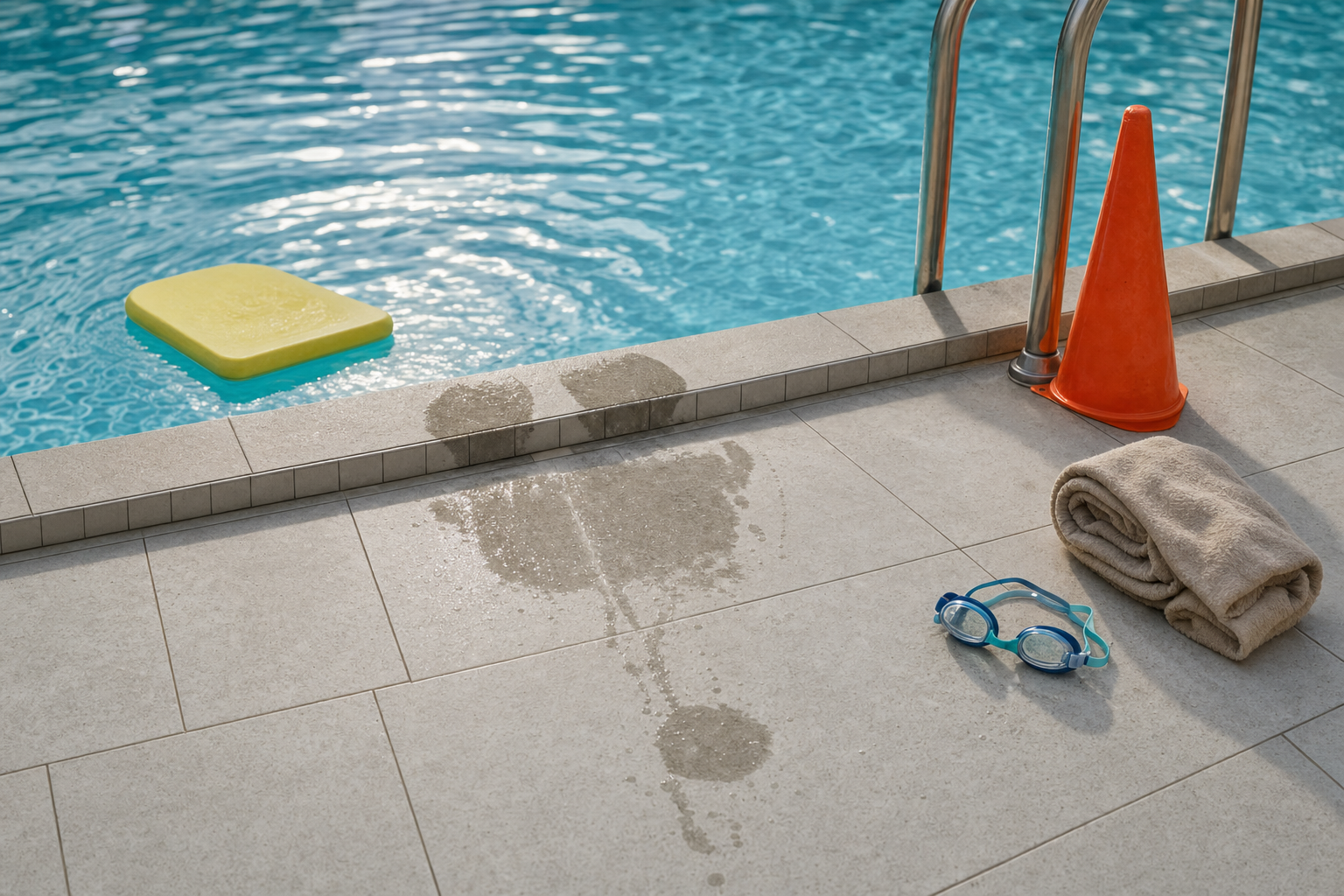
To start, let’s tackle the question every pool-parent needs answered: why not just let kids use the ladder or steps? Because being able to exit the pool without steps or a ladder is a core part of modern water competency, required by the American Red Cross. It’s not optional. It means that a child must swim, face the wall, and pull themselves out directly over the side or over the deck edge, no ladder. (redcross.org)
When a child is tired, panicked, or when ladders are blocked (in a crowded pool), using this climb-out skill can literally save lives, reduce accidents, and provide a reliable way to reach safety. Now, let’s dive into how you can teach your 4- to 12-year-old this essential skill—kick to wall, elbow-elbow-belly-knee-knee—and how to practice safely so it stays crisp when it truly matters.
Why the Out-of-Breath Exit Matters in Crowded Pools
Imagine a public pool busy with swim classes, splash zones, or hotel vacationers. Ladders are few, edges are crowded, and accidents can happen fast. A ladder might be in use or blocked, tiling might be slippery, and fatigued arms can’t pull a child up gracefully using only upper body strength. That’s where the ladder-free exit becomes vital.
Water competency—in leading programs like the American Red Cross—includes the ability to exit the water without using steps or a ladder, not just swim distance or treading water. (lifeguardingclasses.org) That requirement ensures that children can physically propel themselves out over the pool side in emergencies or when ladders are unavailable. Beyond rescuing themselves, this exit builds confidence, better body awareness, and coordination—especially when they’re out of breath and need a dependable way to escape danger.
How to Teach Pool Exit Using Kick-to-Wall & Elbow-Elbow-Belly-Knee-Knee
For kids roughly aged 4 to 12, this skill progression helps them learn how to climb out without relying on steps. It builds strength and habit.
Step 1: Kick to the Wall
Start in shallow water. Have your child swim or use strong kicks to reach the pool wall. Keep face in, arms forward, legs kicking from the hips—not just knees. The goal is to build momentum without exhausting them. If they can’t kick strongly yet, practise holding the wall and swinging legs like they’re preparing to push off.
Integrate this into swim lessons or family pool time using challenges like “see how many times in a row you can do elbow-elbow-belly-knee safely” or games where each child practises the exit, then races to do another short swim. You might also explore something like the “10-Week Plan” on Swimy.org, which outlines structured skill sequencing for kids learning essential aquatic safety and water competency. https://www.swimy.org/10-week-plan
[[ctakid]]
Step 2: Elbow-Elbow
Once they reach the wall, coach them to get both elbows onto the pool deck or edge. This establishes two secure upper anchors. Use verbal cues like “elbow, elbow” to make it memorable.
Step 3: Belly Up
After elbows are secure, instruct the child to lift their belly or tummy up onto the deck edge. This shifts the center of gravity forward and uses stronger core muscles rather than relying solely on arms.
Step 4: Knee to Deck
Once the belly is resting on the edge, bring one knee up onto the deck. This knee gives leverage for pushing the rest of the body out. With one knee up, they can crawl forward and pull themselves fully out.
Practising this routine “elbow, elbow, belly, knee” repeatedly turns it into muscle memory. Once it feels mechanical, they’ll be more confident to use it when out of breath or stressed. (moovswim.sg)
A Progression Plan to Build Confidence & Strength
You need safe drills that teach this climb-out in stages. Here’s a sample progression you can start today, to unfold over a few weeks:
Begin with very shallow water (waist-deep), spot the child while they reach the wall, place elbows, try belly up, then return to wall again. As they grow stronger, move to deeper sections so they must swim to the wall first. Include rest periods so they don’t get fatigued prematurely.
Safety Caveats & Common Pitfalls
Practice only in shallow water with a capable adult spotting. Avoid simulating exits near pool drains, sloped gutters, or broken edge tiles. Those are risk zones for slips or getting caught underneath. Supervise every attempt closely, especially when children are tired or stressed.
Don’t practice near ladders or pool fixtures where kids might reach for something unstable or use a ladder instinctively. Doing so defeats the purpose and can create false dependency.
Also recognize that each child progresses at their own pace. Some may have weaker upper body or core strength, or less coordination. It’s okay to work gradually, adding support or flotation until they can do the full sequence independently.
Putting It All Together
When your child masters the climb-out exit—kick to wall, elbow-elbow-belly-knee-knee—they’ll gain a reliable self-rescue tool. In a crowded pool or in moments of fatigue, this can be their fastest route to safety without waiting for a ladder or stairs. As a parent, your role is to spot, support, and praise each attempt, making repetition a fun habit rather than a chore.
Water competency exits are more than a swim lesson target—they’re essential life skills. With consistent practice, the right progression, and safety always front and centre, your 4- to 12-year-old can exit the pool with strength, confidence, and independence—all without stairs or ladders.
120+ swimming exercises sorted by age — with video and instructions. Developed by swim instructors, completely free.

120+ swimming exercises sorted by age — with video and instructions. Developed by swim instructors, completely free.