Toys That Build Real Water Skills: Thoughtful Picks for Babies and Toddlers
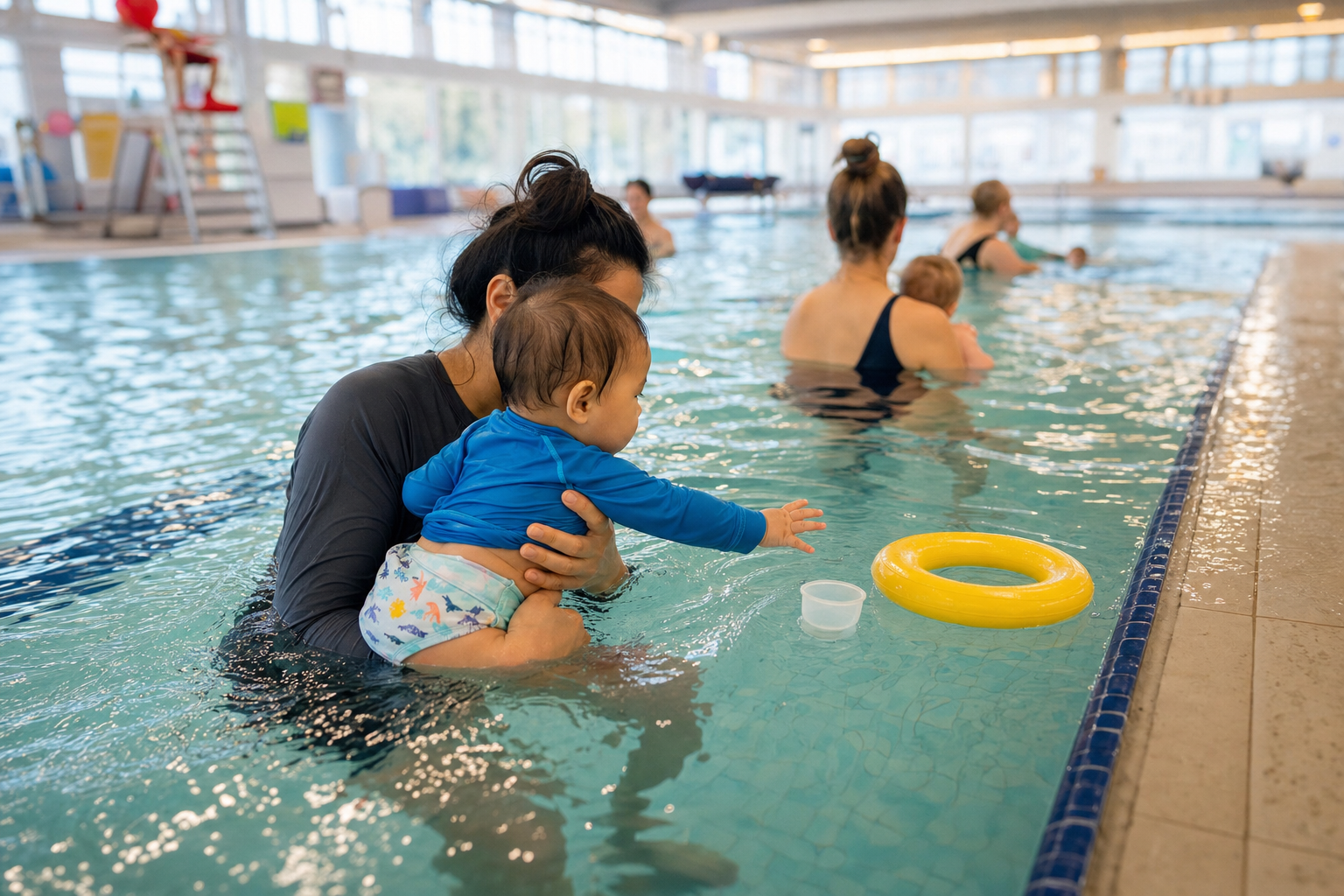
Choosing pool and bath toys that genuinely build swim skills—rather than just keeping a child busy—makes all the difference. Here’s what you need to know to pick toys that support reaching, kicking, pouring, floating, and visual tracking for ages 6–36 months, keeping safety and real movement front and center.
What Moves Actually Matter: Reaching, Kicking, & Tracking
When your baby splashes water or reaches for floating toys, they’re doing more than having fun—they’re practicing essential motor skills. By 2–3 months, babies should be able to follow a moving object with their eyes and begin reaching toward it. By 3–4 months they’ll kick and reach more intentionally. Toys that are brightly colored or contrast with water color help develop visual tracking. Toys close to the body are better at encouraging reach than ones floating far away. (pmc.ncbi.nlm.nih.gov)
Kicking supports core strength and propulsive skills. Research shows that toys dangling near the feet or tied just outside reach can motivate infants to kick vigorously while lying on their back or during supported float, without overwhelming them. Mobility to kick freely improves motor control. (pmc.ncbi.nlm.nih.gov)
Tracking—moving eyes to follow a toy—is foundational. Rotate slow-moving objects like mobiles or gentle pouring toys so your child’s eyes follow the path. At six-to-eight weeks, infants typically follow a slowly moving object through a limited arc; by three months, tracking gets smoother and spans a wider range. Toys that move gently and predictably build that skill well. (babycotmobile.com)
Best Pool Toys for Babies That Build Useful Swim Skills
Not all water toys are equal. Here are examples of toys that help achieve each key skill without creating false confidence:
Soft floating toys with handles or holes. These allow babies to pull, grab, and hold while floating nearby the caregiver. They encourage reach and strengthen grip. Choose ones at least 1-2 inches wide to avoid choking hazards.
Pouring cups or “water bulldozers.” Cups with wide rims or spouts help babies practice scooping, dumping, and tilting—actions that build wrist strength and understanding of cause and effect.
Sink-and-float sets made of lightweight materials (non-toxic plastic or BPA-free silicone). Let them drop toys into water and watch them float back. That enhances visual tracking, hand coordination, and fascination with water.
Kickboard aids held by caregiver. Using small boards or noodles that let toddlers grip while kicking allows real kicking practice. Unassisted kicking builds coordination and strength more than floating gadgets that keep legs still.
If you want a structure to follow, try the swimy.org 10-Week Plan for age-appropriate water exposure and skill building that includes reaching, floating, face-dipping, and gradually reducing reliance on float gear during play. Hyperlink: 10-Week Plan
- Gentle motion toys like floating animals or squishy rafts. If kept very close and used in shallow water where caregiver can stay within arm’s reach, they let toddlers practice buoyancy and floating while feeling secure.
Avoid large inflatables, novelty floats that place the child far from caregiver, or gadgets claiming to be “swim aids” but restricting motion.
[[ctababy]]
Safety First: Risks You Should Know
Float toys, arm bands, rings, and inflatable animals are not safety devices. They often create a false sense of confidence for parents and babies alike. The American Academy of Pediatrics and other experts warn these items can mislead users into thinking a child is safer around water than they really are.(consumerreports.org)
Water wings or puddle-jumpers often force a child into an upright position rather than horizontal float or dorsal float. That delays floating skills that matter most in emergencies. Overreliance on such gear can impede learning to balance in water.(consumerreports.org) Do not skip or substitute hands-on supervision with toys or floats. Always keep your child within arm’s reach.
Age matters, too: mouthing stage for 6–12-month-olds means avoid small or detachable parts. Always check that toys are labeled for the correct recommended age and inspected regularly for mold or wear. Clean toys frequently, empty pools or bins immediately after use.(sensorygift.com)
Building Repetition, Confidence & Real Skill
Once you choose good toys, use them the right way. Bring students—your child—close. Practice often. Here is a method many infant-swim education programs use: the caregiver holds the child near the surface, uses a toy (pour cup, floating ring) just ahead of their reach, encourages kicking, then repeats in short bursts. Frequent repeat builds muscle memory without overstressing the lungs or body.
Also observe readiness cues: is the child showing discomfort in deep floats? Do they resist reaching? Step back if they show fear.
Which Toys Distract More Than They Help
Large novelty inflatables, inner tubes, or big floats that sling the child far from caregiver may look fun but aren’t helpful for water skills. They often allow zero kicking, little reaching, and encourage a vertical posture. Arm floaties might make splashes possible but they can slip, deflate, or hide gaps in skill development.(bluebuoy.com) Gadgets with flashing lights, loud sounds, or tent canopies draw attention away from the body’s position in water.
Putting It All Together: Tips for Parents
Start with one or two simple toys that require interaction—pouring, reaching, kicking—and use them in bath or shallow pool under close watch. Use bath time as active practice, not passive sitting. In pool sessions keep the child close, hands-on, gradually increasing independent movement where safe. Observe developmental stages rather than push timelines.
Final Thoughts
The best baby swim toys aren’t gadgets, they are subtle tools that encourage movement. Toys that support reaching, kicking, pouring, tracking—with safety and supervision—help children build real water skills. Choose wisely; use often; supervise always. The right toy in the right hands becomes more than play—it’s preparation for swim success. Remember: no toy or float replaces your attention and care.
120+ swimming exercises sorted by age — with video and instructions. Developed by swim instructors, completely free.

120+ swimming exercises sorted by age — with video and instructions. Developed by swim instructors, completely free.