Do Babies Need a Wetsuit? Guidance for Swim Lessons and Casual Dips
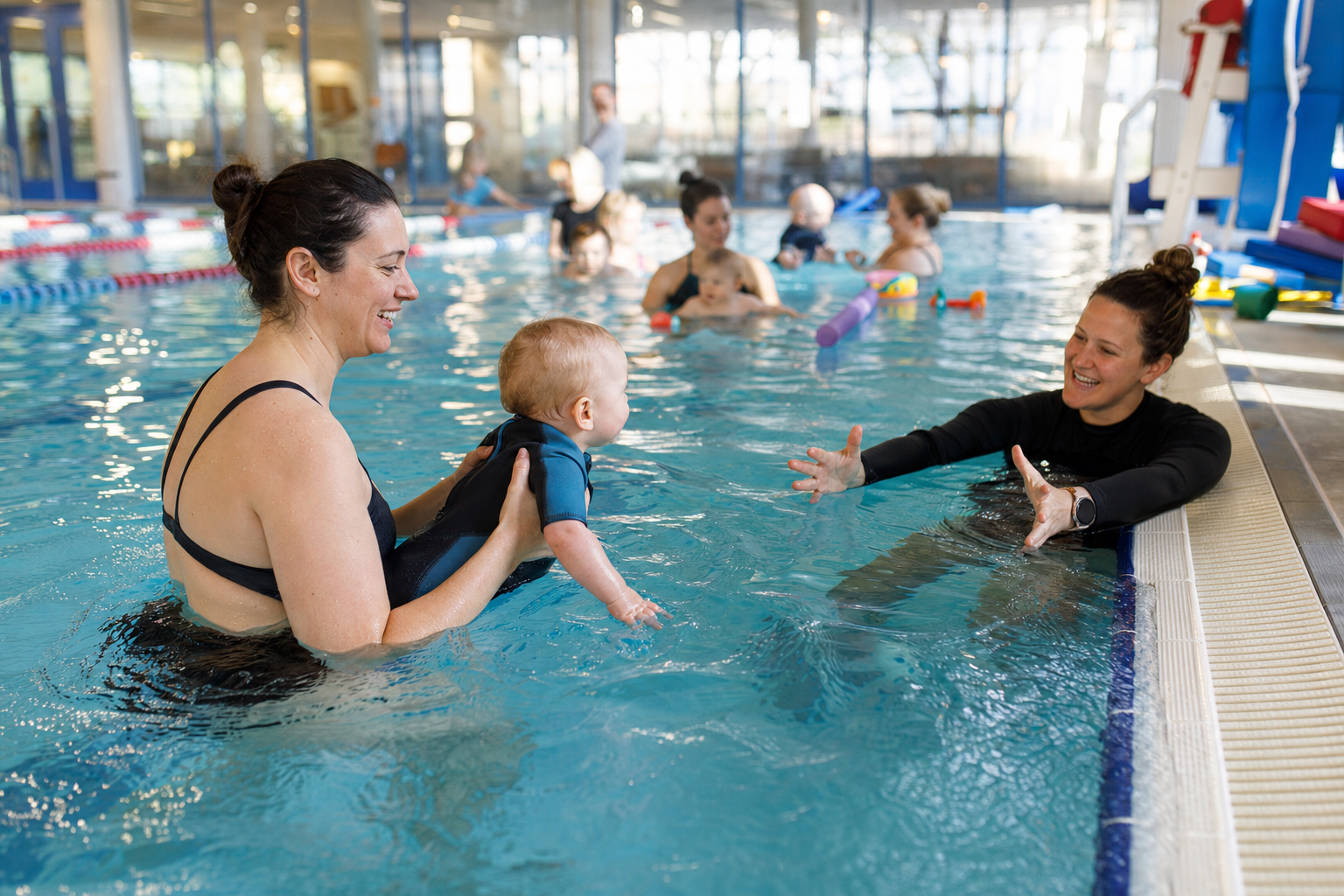
When your little one (aged 0–36 months) starts swimming lessons or joins in casual family paddles during cooler weather, the question you’ll probably ask is: “Does my baby need a baby wetsuit for swimming lessons?” If water feels chilly, yes—they often do. A properly chosen infant swim wetsuit or thermal suit can make the difference between a fun swim class and a fussy freeze-out. Below, you’ll learn when warmth gear makes sense, how to pick the right suit, and when it becomes more hindrance than help.
When is warmth gear necessary for babies?
If the pool temperature falls below about 87°F (30.5°C), or you’re doing lessons outdoors or away from heated pools—especially during shoulder seasons in the UK or Australia—a wetsuit or thermal suit is often essential. This insulation prevents signs of “baby gets cold swimming” like shivering, pale or mottled skin, blue lips, or fussiness. Public and indoor pools used for infant lessons are often heated to 88–92°F (31–33°C), which often removes the need for a wetsuit if sessions are short. Reliable sources recommend hearing from your swim school about water temperature, lesson rules, and how outdoor conditions affect warmth. These help you decide whether a simple swimsuit suffices or if you need something heavier. (waterwisekids.com)
For outdoor lessons or cooler public pools during spring, autumn or in beach settings, the water temperature often fluctuates and drops below what’s comfortable for infants. Wearing a thin thermal suit or a neoprene swimsuit in these cases can help your child stay warm enough to participate without restricted movement. (swimy.org)
What type, thickness & fit should you aim for?
Choosing thickness & style
A 2 mm full-body neoprene wetsuit is often the sweet spot for infants in cooler, but not freezing, water. It offers enough insulation without locking in stiffness. If water is colder—let’s say below around 82°F (28°C)—then stepping up to 3 mm may be appropriate, especially outdoors. Shorty wetsuits (short sleeves and legs) or neoprene vests serve well for slightly warmer or very heated pools where you need just a bit of warmth without covering everything. (waterwisekids.com)
Fit & zipper styles
The suit should be snug without being restrictive. Neck, wrist, and ankle cuffs should reach just so—without gaping or bruising skin. Use weight-based sizing rather than relying on age, especially under 12 months—you’ll find big variation. Zippers matter: back zips are common, but suits that zip from front or shoulders can be easier when dressing wriggly babies. Always test arm and leg movement—if your baby can’t stretch arms overhead or kick freely, it may be too tight. (waterwisekids.com)
If you want a structured way to build water confidence at home, the 10-Week Plan guides you step by step.
Nappy compatibility & layering
Pools usually insist on swim nappies—often a reusable or disposable liner under a neoprene outer seal (a double nappy system). This prevents leaks and maintains hygiene. The wetsuit or thermal suit should allow enough room for the nappy setup without letting water flush in. Avoid bulky nappies that bunch inside the suit, or suits so tight they squeeze the seal into gaps. (chessgroveswim.co.uk)
[[ctababy]]
Using a wetsuit vs. letting baby lead
A common mistake is using warmth gear as permission to stretch lesson time beyond a baby’s comfort cues. If your child starts showing signs of cold stress—shivering, blue lips, lack of coordination, fussiness—stop, wrap them up, warm them up, and consider a shorter next session. A wetsuit helps, but it doesn’t prevent cold forever. Make sure class length suits the temperature and baby’s age. Even with insulation, infants under three months may only do 10–15 minutes in water around 32°C (89–90°F). (waterwisekids.com)
Making choices easier: practical approach & swirl theory
Here’s how to decide between baby wetsuit, thermal suit or swimsuit—for pool lessons or casual dips:
- Get water temperature from your swim school or center; compare with warmth / cold stress thresholds.
- Assess session duration: shorter sessions demand less insulation.
- If outdoor, exposed to wind, or if your baby tends to feel cold easily, opt for more coverage or thicker neoprene.
- Use the 10-Week Plan on swimy.org to build up comfort in water, layering in warmth gear where needed. This progressive schedule helps avoid overreliance on thick suits before baby can move confidently. Hyperlink included 🌊 (swimy.org)
Signs a wetsuit is becoming a distraction
When the suit is too thick, too loose, or mis-sized, it pulls more than it warms. Babies may slip, struggle to move arms or legs, or refuse to put hands underwater. Overheating indoors or when air temperature is warm is another risk—it shows as red cheeks, sweating, irritability. Also, if parents or instructors rely on the suit to extend lessons beyond baby's cues (crying, losing interest), warmth gear has overstepped its purpose. Gear should support, not push. (swimy.org)
Final thoughts
A “baby wetsuit for swimming lessons” or “infant swim wetsuit” makes sense when water or outdoor conditions are cooler and when your baby can't stay comfortably warm in a regular swimsuit. For cases where public or indoor pool water stays around 88–92°F and lesson time is short, a simple swimsuit plus swim nappy may be all you need. But when water dips, or lessons are outside, a well-fitting 2 mm neoprene suit hits the sweet spot—warmth without big restrictions. Above all, let your baby’s cues guide you: warmth gear is a tool, not a mask for extending time or ignoring discomfort. When it fits right and feels right, swimming can stay joyful, safe, and snug.
Let your baby splash, explore and learn—warm enough to stay, light enough to move.
120+ swimming exercises sorted by age — with video and instructions. Developed by swim instructors, completely free.

120+ swimming exercises sorted by age — with video and instructions. Developed by swim instructors, completely free.