Find Affordable Baby Swim Lessons Near You: A Parent’s Practical Guide
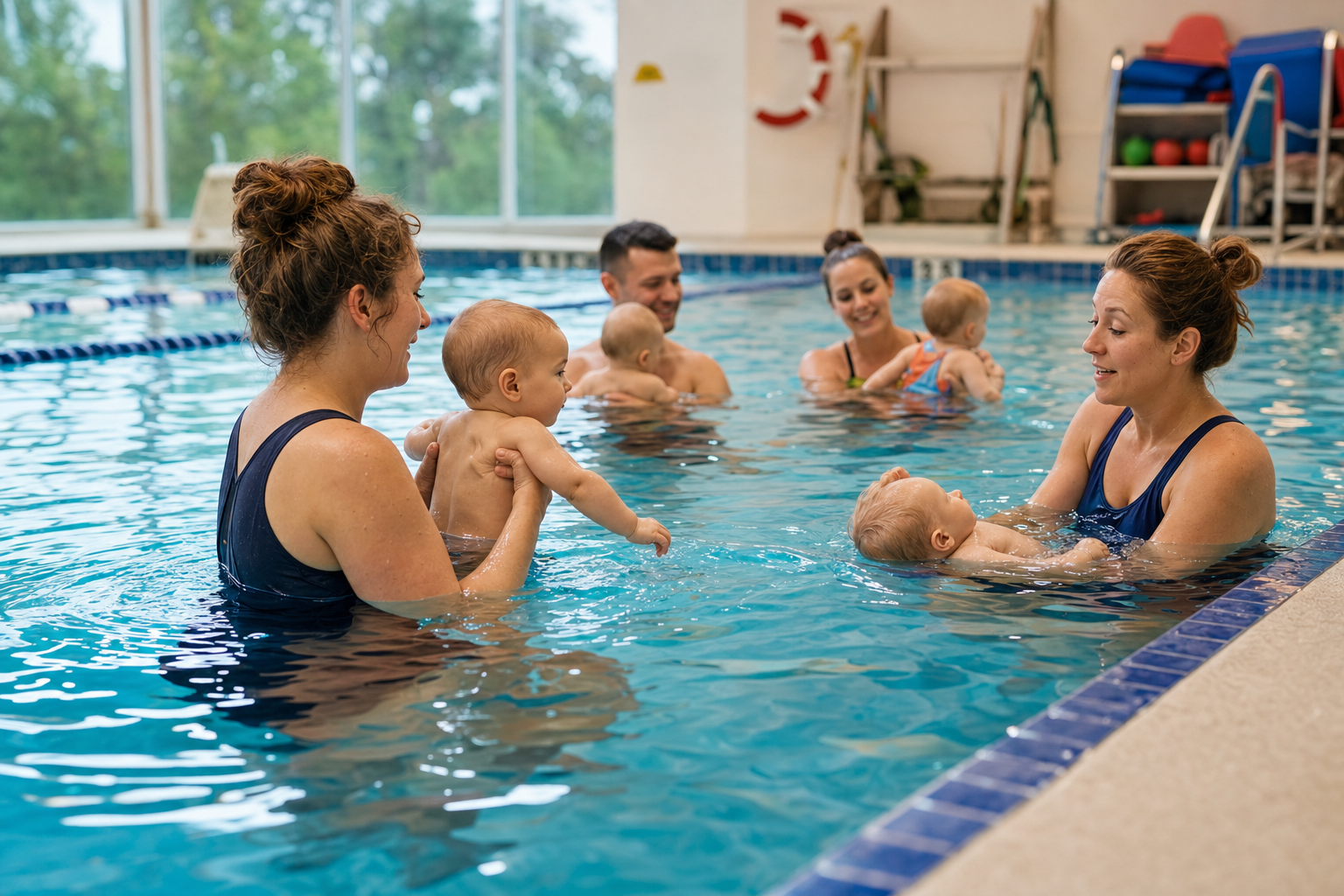
Looking for affordable baby swim lessons that don’t skimp on safety or quality? You want parent-child classes for babies aged 6–36 months that are safe, fun, and reasonably priced. Below, you’ll find where to look, what to check, and how to choose a program that fits both your budget and your baby’s needs.
Where to Find Free or Low-Cost Swim Lessons
Start local, because your neighborhood often holds hidden gems. Many council-run and community pools subsidize swim lessons for babies, especially for families on low incomes or in underserved neighbourhoods. In the UK, council pools sometimes charge £5–£10 per 30-minute baby lesson, especially in term-time, which is far cheaper than many private swim schools. (ukcosts.net)
Next, YMCA branches in the United States often offer tiered pricing or financial help, with parent-and-baby classes bundled into memberships or local grants. For military families, base recreation centres sometimes provide free swim lessons for infants under a certain age. (lee.armymwr.com)
Australia offers options too: Carlile Swim runs free baby swimming lessons for babies aged three to five months in several cities. These are 30-minute weekly sessions in warm pools, with parents in the water alongside their babies. There’s often a small registration fee to join. (carlile.com.au)
Also, organizations like WaterWiseKids maintain directories of free swim-safety programs and scholarship-backed lessons across the U.S., helping parents find free swim lessons near me with certified instructors. (waterwisekids.com)
How to Compare Value: Price vs Quality Factors
When you spot several low-cost options, don’t just pick the cheapest. Here are key areas to evaluate:
Instructor Training and Safety
Babies’ safety depends heavily on instructor qualifications. Seek teachers with infant aquatic safety credentials, CPR/first aid training, and experience working with young children. Warm water pools (around 32°C or 90°F) are important for relaxation and reducing cold-shock risk. Ratio is also critical: ideally, parent-baby classes have no more than five babies per instructor. (swimy.org)
About the 10-Week Plan from swimy.org: it lays out a structured curriculum over 10 weeks with clear safety goals and transparent pricing so you can see exactly what you’re paying per class. This makes it easier to judge whether lessons that appear cheap offer real value. (https://www.swimy.org/10-week-plan) helps match expectations to outcomes.
Class Format and Parent Participation
Parent involvement is a standard for classes with babies aged 6–36 months. The parent is often required to be in the water. Structure matters: shorter lessons (20–30 minutes) are better for focus and enjoyment. Group classes provide social learning, while semi-private or private sessions offer more attention but cost more. (swimy.org)
[[ctababy]]
Hidden Costs and Value
Check for extra fees: registration charges, warm pool surcharges, make-up lessons, or cancellation fees. Also, some programs require full-term commitments or monthly payments. While this sounds more expensive up-front, block bookings sometimes reduce week-to-week rates and give you a stable schedule. For example, you might spend $20–$45 per 30-minute group class in the U.S., or £15–£25 per session in the UK for parent-baby lessons, with privates costing substantially more. (swimy.org)
Also, ask if the facility offers subsidies or sliding-scale fees. Public leisure centres and non-profits often set aside spots for families who need financial help. US Programs like USA Swimming provide grants or scholarship programs for under-18s. (usaswimming.org)
Red Flags & What Not to Cut Corners On
Price isn’t everything. Avoid lessons with unqualified instructors, very cold or poorly maintained pools, huge class sizes (10+ babies per instructor), or sessions where parents are not allowed in the water (for children under 3, especially). These risk safety, emotional comfort, and actual learning. Warm water, proper hygiene, and realistic expectations matter.
Also beware of programs that advertise cheap lessons but limit make-up options or cancel often. Inconsistent attendance kills progress. Choose a program with a reliable schedule that you can reasonably commit to.
Questions to Ask Before Signing Up
Here are concrete questions to ask swim schools or community centres to ensure affordability and quality:
What are instructor qualifications? Do they hold infant aquatic safety, CPR, and child development certifications?
Is the water temperature warm enough for babies? What level of hygiene and maintenance does the pool have?
What is the student-to-instructor ratio? How many babies per class?
Does the price include parent participation and all necessary materials? Any registration or hidden fees?
Is there financial assistance, sliding scale pricing, or discounts for block bookings or siblings?
What is their policy on cancellations and make-ups?
Bottom Line
Affordable baby swim lessons are possible—there are opportunities through councils, YMCAs, nonprofit programs, and community pools. But the best deal isn’t always the lowest price. Prioritize safety: warm water, trained teachers, small class sizes, parent involvement, and honest pricing. Those features matter more in the long run than saving a couple of dollars right now. With the right questions and local research, you can find quality infant swim lessons that match your budget and help your baby splash safely.
120+ swimming exercises sorted by age — with video and instructions. Developed by swim instructors, completely free.
120+ swimming exercises sorted by age — with video and instructions. Developed by swim instructors, completely free.