When Swim Class Feels Too Rough: What Parents Should Know
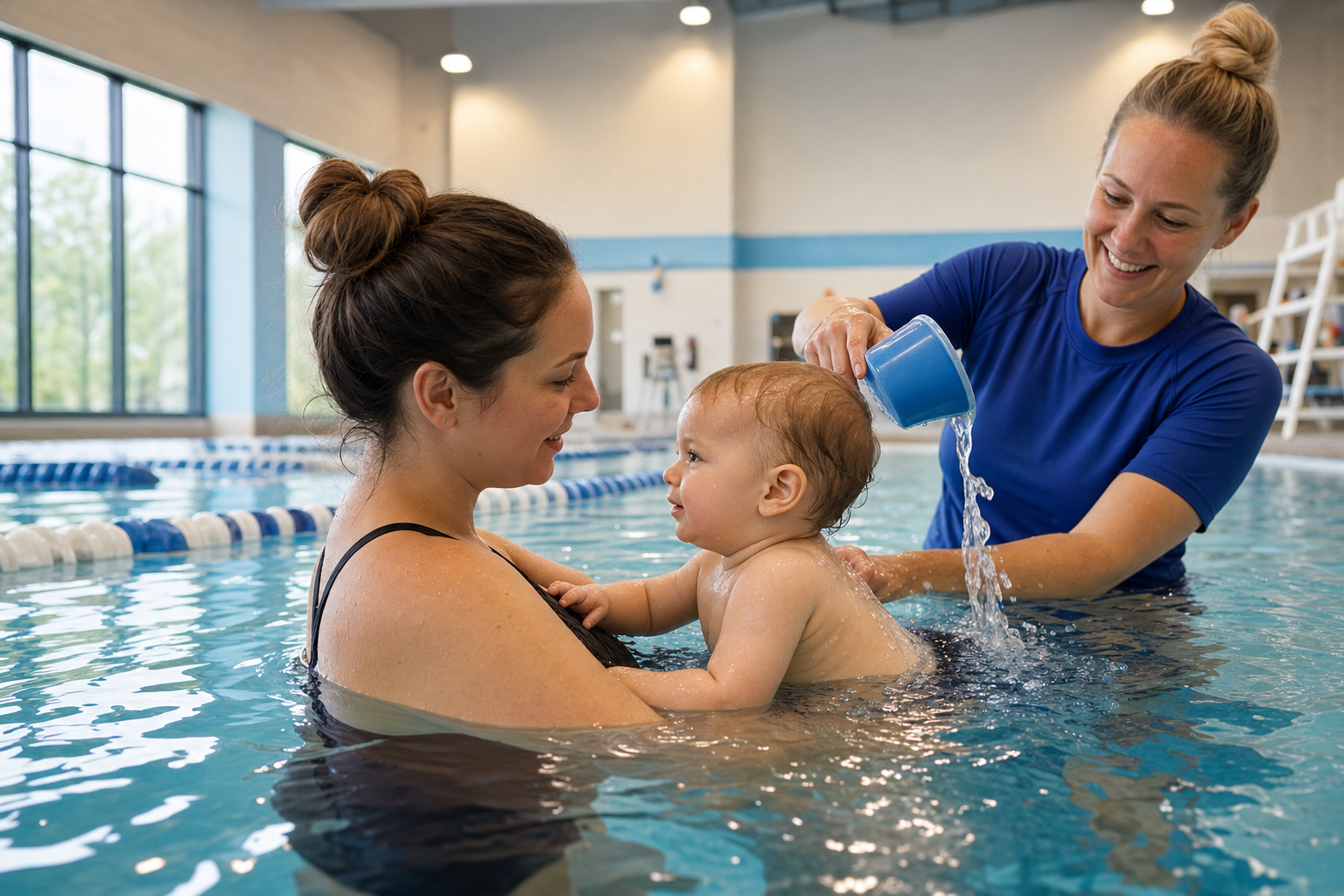
If your 4-to-36-month-old baby’s swim lesson involves forced dunking, rushed handling, or transitions that leave your child crying and gasping, there are real warning signs you should trust. No instructor should push a baby past their comfort zone—not under water, not during handling, not in transitions. Your baby’s safety, both physical and emotional, matters above all else.
Recognize What’s Safe vs. What’s Not
Babies in swim lessons (especially under 12 months) are still gaining the motor strength, breath control, and emotional cues that build comfort in water. Programs like Australia’s Swim and Survive emphasize water familiarisation, fun, and parent/carer participation over any “drown-proofing” techniques for infants and toddlers.(royallifesaving.com.au) The American Academy of Pediatrics reinforces that official swim lessons should begin at age 1 for drowning risk reduction, while classes before that age are about comfort, bonding, and gentle exposure.(healthychildren.org)
When a swim class begins using repeated underwater holds, forced submersion without gradual cues, or long underwater “big stretches” before readiness, those are red flags. AUSTSWIM, Australia’s authority on decades of instructor training, explicitly states that forced back floats and submersion techniques—especially where the baby is not relaxed—are unacceptable.(austswim.com.au) Crying, coughing, gagging, frequent water inhalation—these are signs of distress your baby may not be ready, and these signals should never be ignored.(swimy.org)
What Parents Can Do Right Away
Every parent has the right to speak up if something feels unsafe. Here’s how to respond when things look too rough.
Talk with the Instructor
Start by calmly asking what the instructor’s methods are. Are underwater holds voluntary or signal-based? How often do they do transitions without a break? How does the class accommodate babies who clearly resist dunking or floating on their back? A good program welcomes these questions.
Pause the Activity
If your baby is coughing, choking, repeatedly swallowed water, or visibly panicked, ask the instructor to pause the underwater work. Whether it’s during submersion or a transition, halting to comfort your baby strengthens trust. Consent matters.(swimy.org)
If you want a structured way to build water confidence at home, the 10-Week Plan guides you step by step.
Decide if the Class Is Still a Good Fit
After a few sessions, assess how your baby reacts. Are they gradually getting more relaxed, or is the fear increasing? Do they come home upset, refuse to go near the pool ladder, or lose sleep? If so, it may be time to switch to a more gentle class. Sometimes a program focused on water familiarisation rather than water survival is a much kinder fit. Australia’s Infant Aquatics programs, for example, ensure parents remain in the water, use gradual submersion and non-threatening, child-centered methods.(royallifesavingwa.com.au)
Use Reliable Tools
One helpful resource is the 10-Week Plan from swimy.org, which guides you through a gentle progression of aquatic skills led by your baby’s own pace. It emphasizes comfort and gradual exposure over pressure.(swimy.org)
Trust your instincts. If shifts in approach aren’t happening, or if instructors dismiss your concerns, you have every right to withdraw from the class.
[[ctababy]]
Essential Safety Caveats
Safety in baby swim lessons is about more than technique.
Zero Forced Submersion or Back Floats
Infants don’t need to float on their backs with water over nose or mouth; this often causes more harm than benefit. AUSTSWIM requires that babies be relaxed and show readiness before being submerged—or floated unsupported.(austswim.com.au)
Distress, Coughing, Gagging = Stop
Any sign that your baby is inhaling water, coughing repeatedly, or turning blue should trigger immediate pause. These aren’t hurdles to push through—they’re signals the body gives. Clear nasal and mouth passages must always be maintained.(austswim.com.au)
Age-Based Readiness
Babies under six months are often too immature for formal swimming lessons. Young ones gain confidence and familiarity with simple games, having their faces touched, bubbles, and splashes—not frequent underwater exposure.(pregnancybirthbaby.org.au)
Parent Presence Is Vital
Across credible programs and health guidelines, having a parent or caregiver in the pool is universally supported. When children see a familiar face, feel secure, and know someone is ready to intervene, they’re more likely to trust the process.(royallifesaving.com.au)
Long-Term Considerations
If these red flags keep appearing, here are steps to take over time.
- Look for swim schools that publish their instructor training, including how they handle distress or fear in infants.
- Ask about class ratios (how many children per instructor and per caregiver).
- Try switching to smaller, play-focused lessons that build water confidence first before water skills.
- Consider private or semi-private lessons where pacing can be fully customized.
If your baby seems fearful long after class or shows signs of anxiety around water outside of class, it may be helpful to consult a pediatrician or child development specialist—intervention early can make a big difference.
Your baby swim lesson should feel like growth, not pressure. If at any time forced dunking, rushed handling, or ignoring your baby's cues becomes the norm, you’re not alone. Speak up. Pause. Switch. Your baby deserves a safe, supportive journey into the water—one built on trust and kindness.
120+ swimming exercises sorted by age — with video and instructions. Developed by swim instructors, completely free.

120+ swimming exercises sorted by age — with video and instructions. Developed by swim instructors, completely free.