AI Pool Cameras: Should Parents Trust Them for Drowning Detection?
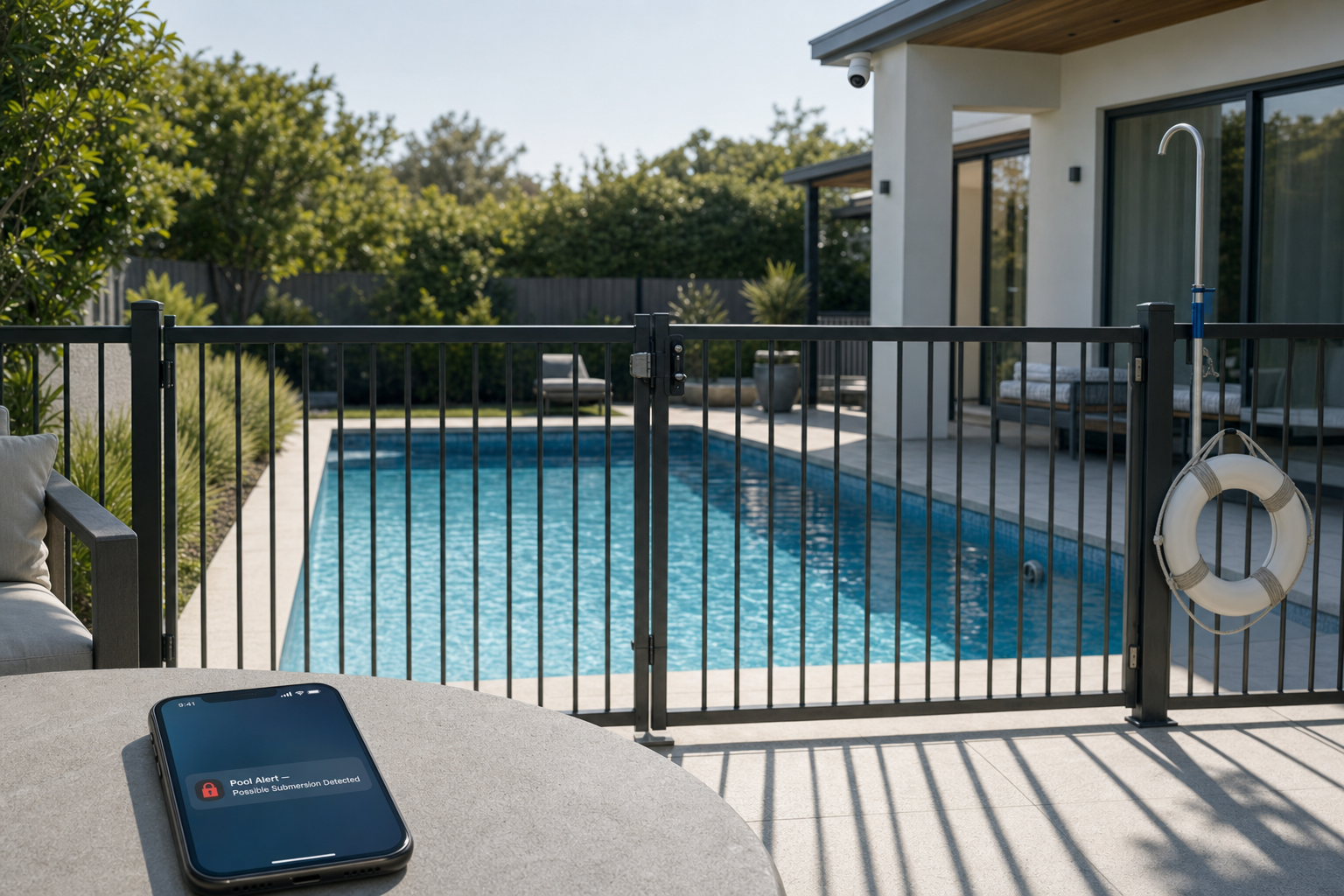
When a child is struggling in the pool, every second matters. AI pool cameras with drowning detection bring speed you simply cannot get from traditional alarms alone. These systems watch the water and pool edge continuously, alerting you not just to someone entering the pool, but to real distress—submersion or behavior that suggests risk. That means instead of hearing a splash and racing outside, you might get a warning before disaster strikes. But what can they do well—and where do they fall short?
What Computer-Vision Pool Cameras Can Do
Computer-vision drowning detection systems aren’t just fancy video cameras. According to the new ASTM standard F3698-24, these devices must detect drowning behaviors or potential submersion and signal an alert within 30 seconds. They also must warn users if visibility is poor, and ensure the device’s connectivity doesn’t introduce new hazards. (store.astm.org)
Modern systems blend AI, edge computing, and sometimes multiple sensors to reduce false alarms. For example, the HydroGuard system uses AI to score motion, submersion, and risky posture in real time—fusing those signals to trigger alarms within seconds. (hydroguard.company) Products like CamerEye are ASTM F2208 certified, set off alarms for humans (and pets optionally), reject toys and small disturbances, and meet sound and detection standards. (media.poolwarehouse.com)
They also help families by prompting swim lessons or readiness training. For instance, many resources recommend combining tech like pool cameras with structured swim skill programs such as the 10-Week Plan from swimy.org, giving kids ages 3-12 water confidence while tech watches in between supervised swims.
What Computer-Vision Can’t Do Alone
These systems are powerful, but they have limits. They can’t replace active, mindful supervision. Even the best AI models risk missing situations—light refraction, water murkiness, or kids playing near the edge can obscure danger. Also, there’s still the issue of false positives: splashes, pets, leaves or malfunctioning lighting might trigger alarms if sensitivity isn’t properly calibrated. (poolguardusa.com)
Compliance helps: ASTM F3698-24 requires clarity about limitations—how fast it detects, what it might miss. F2208 (for traditional pool alarms) sets thresholds for detection and sound level, but these traditional alarms only respond to water entry, not behavior or submerged motion. (astm.org)
Pool Alarm Camera vs Traditional Alarm
A traditional pool alarm (under ASTM F2208 standards) detects entry—through surface wave, subsurface pressure, or door and gate sensors—and sounds loudly (at least 85 dB at 10 feet) if something disturbs the water. It’s straightforward: detect entry, sound. It doesn’t try to assess behavior or risk. (nationalpoolsafety.com)
If you want a structured way to help your child progress at home, the 10-Week Plan guides you step by step.
Computer-vision AI cameras add layers. They monitor continuously, detect human presence or behavior patterns—like swimming normally versus motionless submersion—and can send alerts even before someone sinks. They may include underwater components, posture tracking, or dual camera perspectives (above and below water) to better tell when someone is in trouble. (hydroguard.company)
Traditional alarms are simpler, often cheaper, and less exposed to false alarms caused by image processing errors. But they lack nuance and early detection of distress. AI cameras bring smart behavior recognition and faster warnings, but at greater cost, more setup effort, and dependence on good lighting, placement, and sometimes internet connectivity.
[[ctakid]]
Why They’re Only One Layer of Protection
AI pool cameras are a tremendous tool—but not a silver bullet. They work best alongside fences, self-closing gates, swim lessons, and adult supervision. Emerging standards stress that drowning detection systems complement physical barriers and supervision. Fences compliant with ASTM F-2286, locked gates, and physical covers still prevent accidental access in the first place. (astm.org)
For families with school-age children (3-12), swim lessons (often structured over weeks) build confidence, reduce risk, and alongside tech, help prevent panic. And parents must stay nearby when children swim—because no detection system can predict every accident.
Standards, Placement Tips & Privacy Trade-Offs
Standards
ASTM F3698-24 is the first standard for computer-vision drowning detection systems in residential pools. It mandates detection within 30 seconds, indicators for low visibility, and that connectivity not cause safety hazards. (store.astm.org) Traditional alarms follow ASTM F2208, which defines detection thresholds (e.g. a 15-lb object), alarm sound level, and reset behaviors. (nationalpoolsafety.com)
Placement Tips
Camera placement is crucial. Mount overhead where the full pool and deck are visible. Avoid glare or direct sunlight into lenses. Underwater or underwater viewpoint components help detect submerged distress—not just splashes. Ensure coverage of all deep zones and blind spots near steps or ladders. Position the detection zones wisely so kids can’t be hidden behind objects. Secure power and ensure consistent lighting at night. Also test how well it sees through water when cloudy or at dusk.
Privacy Trade-Offs
AI pool cameras generally record video, sometimes constantly or when triggered. If video is stored in the cloud, consider encryption, how long files are kept, who has access, and whether motion or presence detection is shared. Some systems do real-time edge AI, so video processing happens locally and only alerts (not full footage) are uploaded. (xsafety.ai)
Wi-Fi dropouts matter: when connectivity is lost, cloud-based alerts might be delayed or missed. Edge-AI systems handle that better. Also, ensure the camera’s terms clearly state limitations and your rights. FTC guidance suggests strong router passwords, two-factor authentication, and knowing if cameras are encrypted. (consumer.ftc.gov)
Final Thoughts: Trust, but Double-Check
For families with children aged 3-12, AI pool cameras with drowning detection can be a wise investment. They offer faster response and better risk detection than many traditional alarms—but only when used correctly. Make sure any system you choose meets relevant ASTM standards, fits your pool’s layout, and reduces blind spots and Wi-Fi vulnerabilities. Pair tech with physical barriers and swim education like those in swimy.org’s practical 10-Week Plan for greater confidence.
Trust these cameras, but never lean on them alone. In the water, when kids swim, adult eyes and ears still lead. When your swim lessons are done, your fence is solid, and your detection tech is watching well—you’ll have built the strongest safety plan possible for your children’s joy and your peace of mind.
120+ swimming exercises sorted by age — with video and instructions. Developed by swim instructors, completely free.

120+ swimming exercises sorted by age — with video and instructions. Developed by swim instructors, completely free.