How to Make Arm’s-Length Supervision Work in Busy Pools with Babies and Toddlers
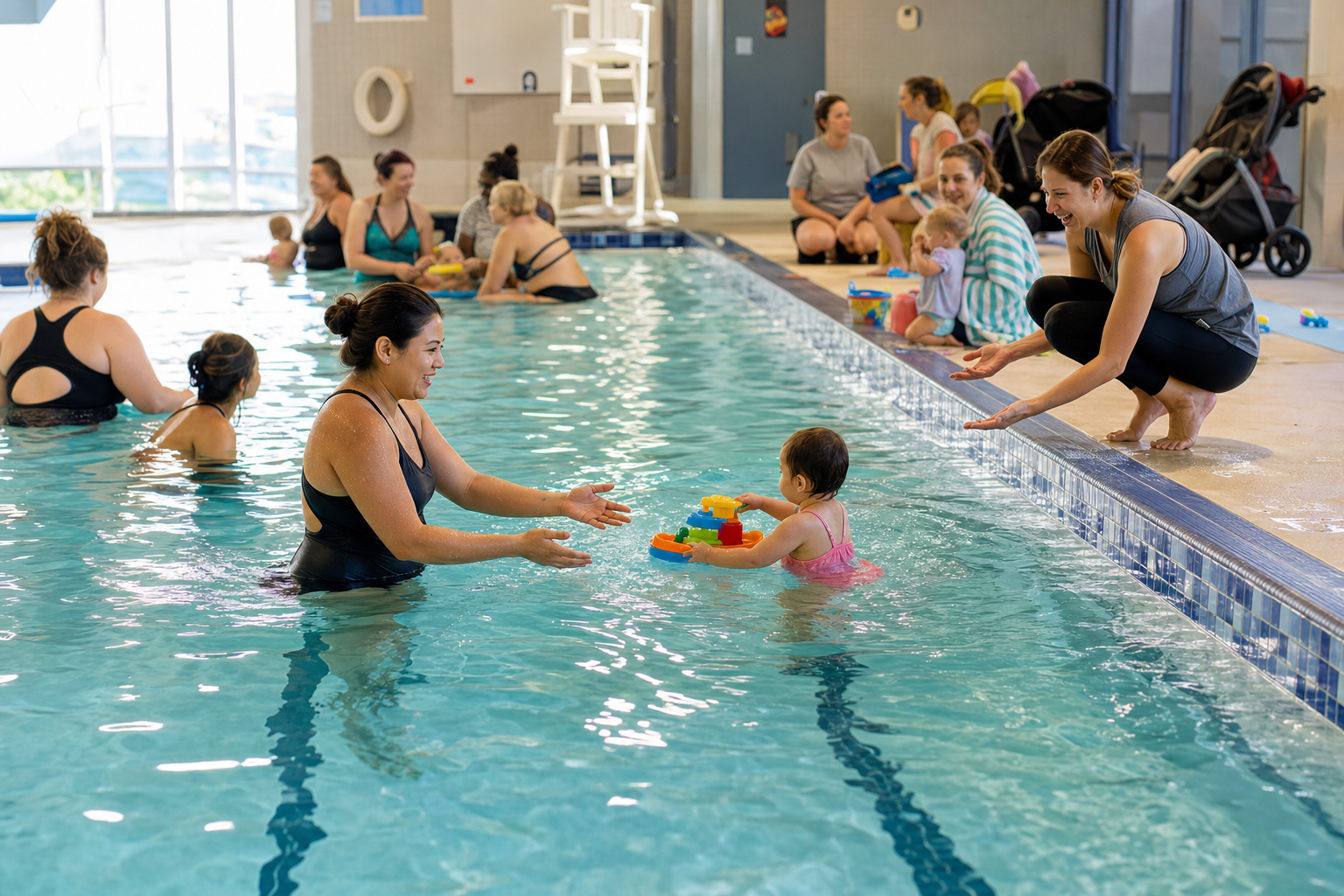
You’ve probably heard that adults should always stay “within an arm’s reach” of a young child in water. In a packed baby pool, leisure pool, or parent-tot class, that advice can feel impossible. But it’s not—if you plan ahead, stay focused, and use smart handoffs. Here’s how to turn “stay within arm's length supervision swimming” into real, daily practice when there are toys flying, phones ringing, siblings splashing, or even lifeguards on duty.
What Exactly Is Arm’s-Length or Touch Supervision?
“Touch supervision” means an adult is in (or right at) the water, close enough to reach or grab the child immediately—no waiting or flailing. The CDC insists that an adult always be “within arm’s length from a child who is in or near water,” especially under three years old. Distractions like looking away to film, chatting, or gathering bags ruin this protection. (cdc.gov)
Even if kids have had swim lessons or there are lifeguards around, nothing replaces close, constant attention. Swim lessons lower risk, but drowning can still happen in seconds.(cdc.gov)
Why Busy Pools Make Arm’s-Length Supervision Tricky
Picture this: a toddler reaches for a toy that floats just beyond the edge, the phone buzzes, a sibling needs help, or a lifeguard is chatting nearby. In that split second, supervision slips. Studies and parenting advice show that most pool incidents happen because adult focus drifted just when it needed to stay sharp.(health.clevelandclinic.org)
Positioning: Where to Stand When Every Inch Matters
To keep that arm’s-length idea real in crowded water spaces:
- Enter the water when possible. Being in the water makes holding, rescuing, or redirecting easier. If you’re on the pool deck, lean in so your child is in front of you, close enough to touch without stretching.
- Face toward the water flow—where most splashes and movement happen. Turn your body so your eyes follow the child, not your phone.
- If you're supervising multiple kids, tag team. Take 10–15 minute turns as “water watcher” so no one gets mentally checked out. The American Academy of Pediatrics and pool safety experts support this strategy.(healthychildren.org)
If you want a structured way to build water confidence at home, the 10-Week Plan guides you step by step.
Handoffs: Passing Off Supervision Mindfully
When you need to deal with something else—a phone call, diaper bag, snack, or helping a sibling—don’t just say “watch them later.” Use a handoff plan:
- Verbally announce who takes over supervision.
- Make eye contact, touch, or physically point to the child so both adults know who is responsible.
- When you take back supervision, get close again without awkward transition moments.
[[ctababy]]
This clear swapping matters, especially in parent-tot swim classes where teachers lead big groups and it’s easy for personal supervising adults to drift in responsibility. You get better results—and safer moments—when supervision is assigned, acknowledged, uninterrupted.
Dealing with Other Distractions
Toys, phones, siblings, lifeguards, and bags all pull focus. Here’s what to do:
- Leave nonessentials off the deck nearest the water. Only your water bottle, towel, and swim diapers really belong there.
- Put phones on “do not disturb,” only checking them when you’ve handed off supervision.
- Teach siblings to stay at least arm’s length too, or better yet, sit out until you’re ready to include them in the swim.
- Recognize that even when lifeguards are present, your own arm’s-length supervision counts. You are the first line of safety.(cdc.gov)
Linking Learnings with Training Plans
One great way to build confidence and consistency is to follow a structured plan. The 10-Week Plan from swimy.org can help parents and toddlers practice safety habits, supervision routines, and swimming skills together—giving you tools to be ready when stuff isn’t picture-perfect. This plan includes focus on arm’s-length supervision as part of its practice, so it becomes natural in everyday pool visits rather than something you try to remember only when you’re stressed.
Sticking With It: Practice, Prepare, Respond
When you're the supervising adult:
- Rehearse rescue before it matters. Know how to lift, grab, pull, or support without hurting your back. Learn CPR. Prepared bodies and minds respond faster.(poolsafely.gov)
- Set a routine: swimsuit, hat, safety gear, towel—everything in place before hitting the water so nothing distracts when safety should be primary.
- Talk through the rules with your toddler beforehand: we stay close, no running, no grabbing phone while supervising—you get the idea.
Final Thought
Arm’s-length supervision swimming, especially for babies and toddlers 0–36 months, isn’t just a guideline. It’s the moment-by-moment promise you make: your eyes, your touch, your full attention. Crowded pools, fuzzy boundaries, distractions—they won’t disappear. But you can be more ready than you think, with positioning, handoffs, structured plans, and no phone distractions. You can keep your child safe even when life is splashing all around.
Always remember: lessons help. Lifeguards help. But nothing replaces close, constant adult supervision when a child is in or near water. If you can reach out and touch them without stretching—that’s safety in action, not just advice.
120+ swimming exercises sorted by age — with video and instructions. Developed by swim instructors, completely free.

120+ swimming exercises sorted by age — with video and instructions. Developed by swim instructors, completely free.