Are Baby Life Jackets Safe? What Parents Need to Know
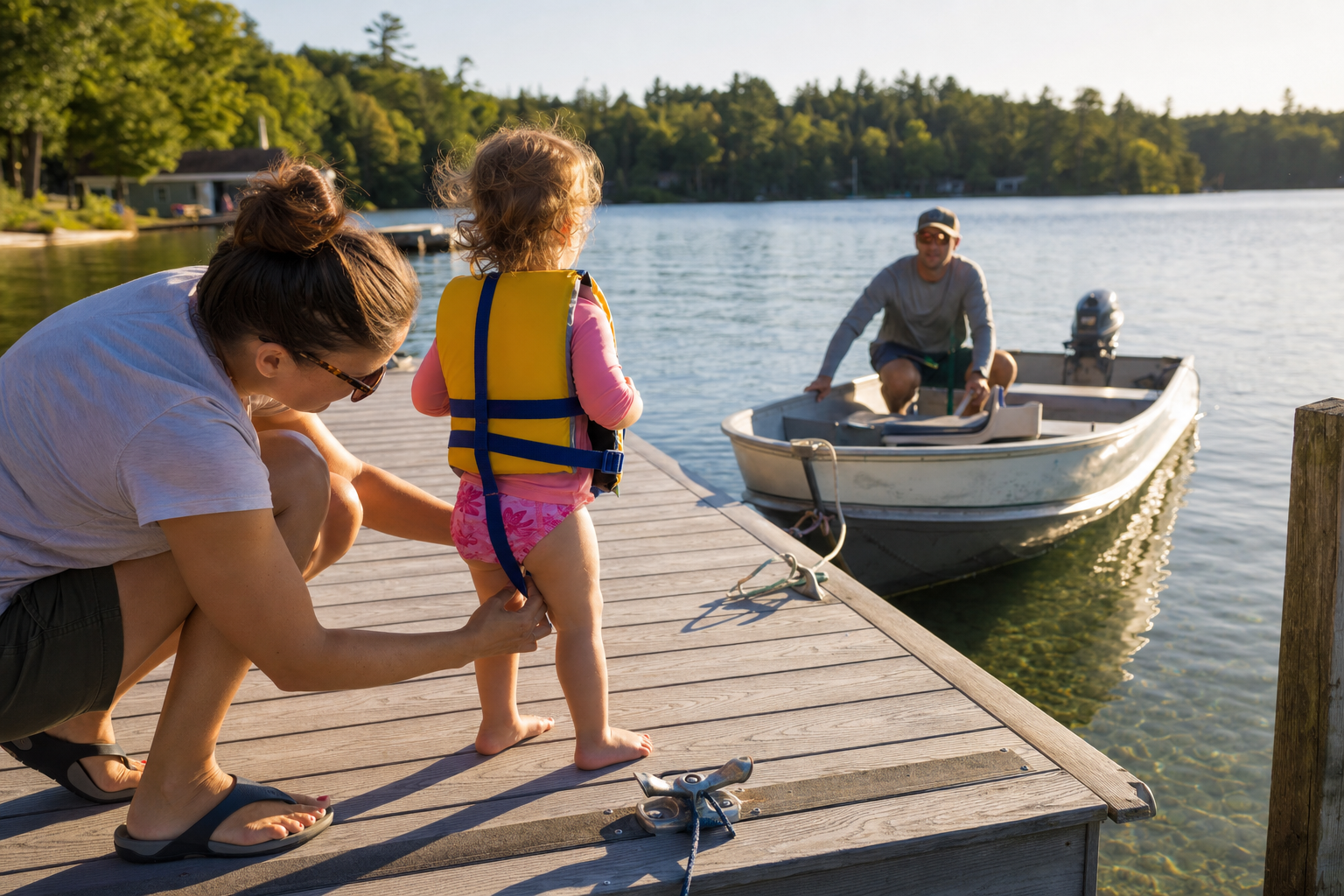
What Makes a Life Jacket Truly Safe for Babies and Toddlers
If you’re boating, at the beach, or near open water, infants and toddlers (0–36 months) should wear a properly fitted, U.S. Coast Guard–certified infant life jacket or toddler life vest. Certification ensures it meets strict standards like buoyancy, head support, and turning your child face-up in the water if unconscious. Fit is just as crucial—buying by weight, not age. An infant PFD (personal flotation device) may cover babies from about 8 to 30 pounds; toddler PFDs often range from 30 to 50 pounds. For your child to stay safe, the jacket must fit snugly, not ride up over the ears when you lift the shoulder straps, and have a crotch strap to prevent slipping out. Many infant life jackets include padded head support to protect small necks and help tilt the head back if needed.
You’ll see warning labels making clear whether a device is Coast Guard approved. That label is your lifeline—approved jackets are not toys and should never be used as a substitute for close supervision.
Why Floaties, Rings & Puddle Jumpers Can Create False Confidence
Floaties, inflatable rings, and puddle jumpers are popular for toddlers and vacation pool days. They seem harmless and fun. But experts raise serious concerns. A key problem is that puddle jumpers place children upright in the water, a position that mimics drowning stance rather than teaching floating or swimming posture. Kids trained with floaties often struggle when they drop the device—you know the sinking feeling when you see them suddenly tense up or panic without one. (mother.ly)
These devices also feed a false sense of security for parents and children alike. While your toddler looks safe bobbing in a puddle jumper, muscle memory is forming that depends on the device. If they fall into open water without it, they’re at greater risk. The American Academy of Pediatrics warns against replacing life jackets with inflatable arm bands or floaties—they can slip off, deflate, or fail to keep the mouth and nose above water. (biologyinsights.com)
When Infants & Toddlers Need a Properly Fitted Life Jacket
If you’re on a boat, dock, pier, lake, or other open water environment, infants and toddlers should wear a certified life jacket every time—even if there’s supervision or you stay in shallow areas. Swimming pools have fewer environmental risk factors, but day-care, vacation, or pool parties are setups where rules can slip. A day faded in, hands distracted, toddler near pool-edge—these are moments you want the best protection in place.
If you want a structured way to build water confidence at home, the 10-Week Plan guides you step by step.
Seawater beaches, lakes with unpredictable currents, boats rocking in waves—all demand a higher standard of life-jacket safety. You’ll want one that supports head and neck, fit according to weight, with strong straps and USCG or equivalent certification (for UK or AU standards, replace with local agencies but same principles apply).
[[ctababy]]
How to Check Life Jacket Fit & Know What to Buy
Start by matching the life vest to your child’s weight—not just age. Then try it on: lift the shoulder straps; if the jacket rides up over ears, it’s too big. Buckle all zips and straps, especially the crotch strap if there is one—this prevents your baby from sliding up and out when in water. A good infant life jacket also includes a back flap or collar that acts as a head pillow, helping to keep the head above water. Bright colors increase visibility. Inspect for wear, damage, and loose stitching. Always verify certification—look for USCG-approved or corresponding authority markings. (childrens.com)
Between bouts of vacationing, boating, and pool time, try including structured swim lessons. Some programs such as the “10-Week Plan” from swimy.org help infants and toddlers build water confidence, floating, and swim safety skills. Doing lessons without a flotation device at times helps children develop real water competence. Using a life jacket in open water doesn’t replace these skills—but it supports safety until they have them. (mother.ly)
Routine Safety & Parent Rules
Even the best infant life jacket or toddler life vest isn’t a babysitter. You need close, constant supervision. That means being within arm’s reach, undistracted, and capable of rescuing if needed. Life jackets are for more than just relaxing swim time—they’re essential whenever risk is present.
Check labels before letting caregivers or babysitters near water: insist on certified gear, correct fit, and know how to fasten and tighten straps properly. Teach all caregivers where life jackets are stored—immediate access can be the difference between safety and tragedy. Create routines: equip the jacket before going on the dock or boat; enforce a no-load zone without it.
You’ll want emergency skills too—CPR training, phone nearby, plan to remove child from water and provide first aid if needed. Safety experts refer to layers of protection: swim lessons, barriers (pool fences), supervision, and certified life jackets all working together.
Bottom Line: Are Baby Life Jackets Safe?
Yes, when properly certified and properly fitted, infant life jackets and toddler life vests are very safe. They are lifesaving in boating and open water, and when every safety rule is followed. Floaties, rings, and puddle jumpers have a role in water play, but they should never replace a certified PFD or vigilant adult supervision. Don’t buy by age alone; prioritize weight fit, head support, certification, and active care. That ensures you’re making the safest choice for your little one—and you can enjoy pool edges, beaches, and boating with real confidence.
120+ swimming exercises sorted by age — with video and instructions. Developed by swim instructors, completely free.

120+ swimming exercises sorted by age — with video and instructions. Developed by swim instructors, completely free.