Backstroke for Kids: Complete Exercises to Learn Swimming on the Back
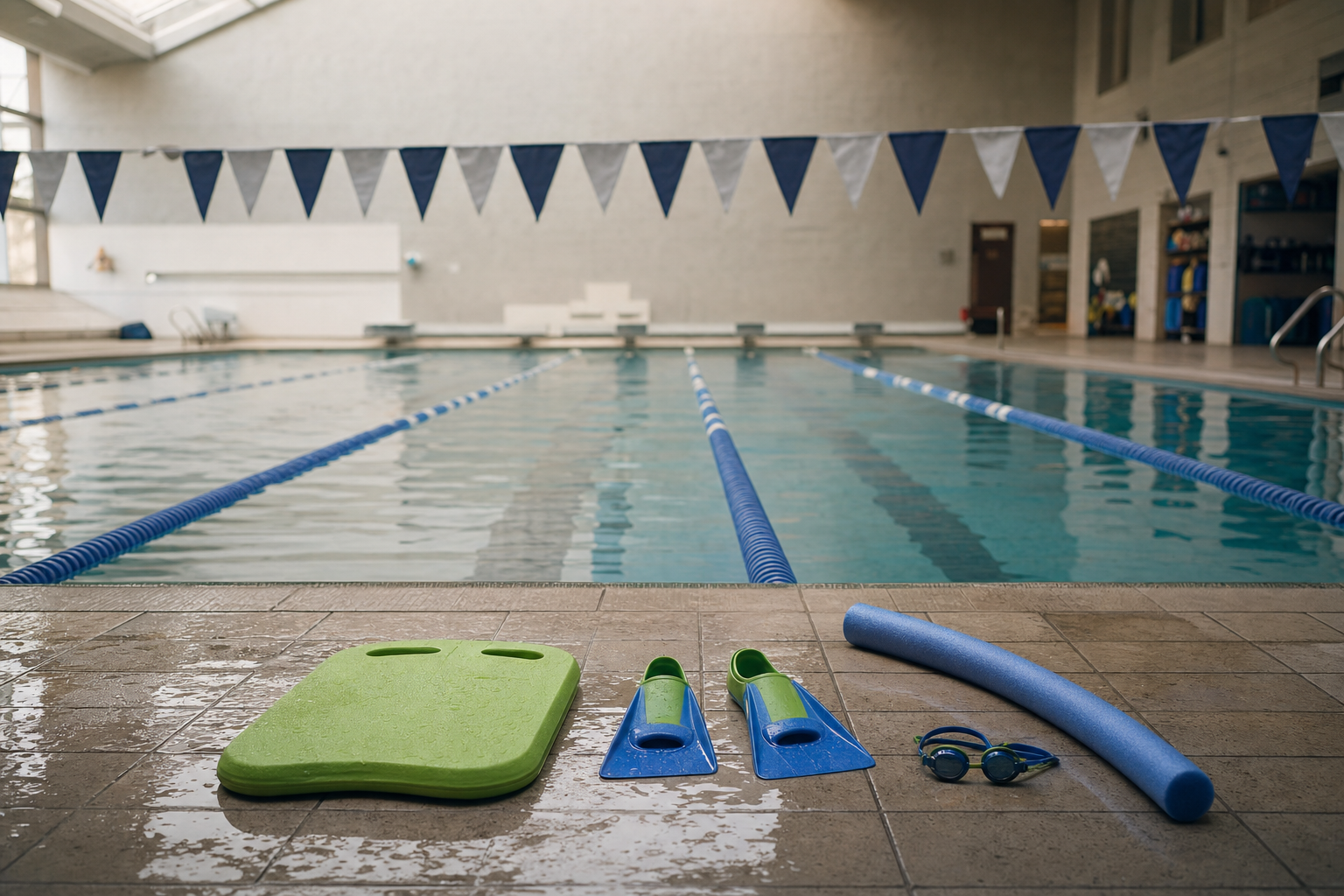
If your child is learning backstroke, the journey starts with feeling safe and strong in the water. Once they master that, everything else—kicking, arm technique, drills—gets built on top. Here’s a complete exercise progression for school-age children (ages 3–12) that parents can follow at home or with lessons. You’ll see what to focus on first, how to add layers of technique, and how to spot common mistakes before they become habits.
Floating & Body Position: The Foundation
Floating on the back is the crucial first step. Without it, kids can’t build strong backstroke technique. They need to lie flat, heads still, eyes looking up at the ceiling or sky, and keep the chest lifted so hips stay near the surface. If the hips sink, resistance increases and they’ll tire quickly. Techniques like the “Water Arrow on the Back” teach body tension and gliding without using arms or legs. These preparatory exercises are available from age five.(swimy.org)
Another helpful drill here is “Balance Kick,” where the child lies on their back with arms at their sides and practices gentle flutter kicks. Focus should be on keeping the hips high and the head stable. If water pools around the face, the head position needs correction.(singaporeaquatics.com)
Kick First: Learning the Flutter Kick
Once floating feels okay, it’s time for kicking. Begin in shallow water if needed, or use supports like pool noodles so your child can concentrate on leg movement without worrying about staying afloat. Kick from the hips with relaxed knees and loose ankles. Toes should break the surface lightly—no big splashes.(bearpaddle.com)
Wall Kick Drills are very useful: holding the pool edge and practicing flutter kick on the back forces kids to hold their head position steady. This helps to build strength and correct posture before adding arm actions.(sgsinkorswim.com)
Arm Technique: Entry, Pull & Recovery
Once floating and kicking are comfortable, introduce arm movements in simple stages. Arm entries should start overhead, straight, with pinky leading slightly and shoulder rotation helping the entry. After entry, the pull happens under the water, bending the elbow and sweeping toward the hip. Recovery of the arm should swing over smoothly, thumb first.(bearpaddle.com)
Drills like Single-Arm Backstroke are great: one arm rests at the side while the other practices the full stroke. This isolates arm movement and cleanly builds awareness of entry, pull, and recovery phases.(ocaquatics.com)
Putting It All Together: Drills & Level Progressions
Once body position, kick, and arm technique are being practiced, it’s time to link them together. Swim schools and aquatics blogs often recommend graduated drills like “Six-Kick-Switch,” “Catch-Up Backstroke,” or “Chicken-Airplane-Soldier”—these teach rhythm, coordination, and control.(sgsinkorswim.com)
[[ctakid]]
For a structured path, many parents follow resource plans such as the 10-Week Plan on swimy.org. That roadmap lays out week-by-week goals that match this progression: float, kick, arm work, combining elements. It helps children see progress without getting overwhelmed.
Common Mistakes to Watch Out For
Even with good drills, small errors can slow progress. One common issue is letting hips sink and knees bend too much. The head often tips forward, which pulls the body down. Cueing eyes to the sky or ceiling helps.(fabulousswim.com)
Arm recovery is another area kids struggle with; arms that swing wide or recover bent rather than straight waste energy. Encouraging a straight-arm “rainbow” path—exit at the hip, swing up and overhead, enter by the ear—makes for cleaner strokes.(fabulousswim.com)
Kick rhythm is also essential. Overly large or clumsy kicks throw off balance. Small, fast kicks from the hips keep the body stable and propel forward smoothly.(bearpaddle.com)
Drills You Can Do at Home or in Lessons
Start using drills designed for each stage to reinforce skills:
- Begin every session with body position drills: push-and-glide from the pool wall, or gentle back floats.
- Next bring in kick-only sets using wall holds or floatation aids to isolate leg work.
- After that, introduce Single-Arm Backstroke and Catch-Up Backstroke to focus on arms without losing body line.
- End by combining all parts—kick, arms, head position—and swimming short backstroke laps with rest to keep quality up.
Transition to Full Backstroke
When your child can swim a few meters with good form—hips high, head still, clean arm pulls with steady kick—it’s time to transition into full backstroke. Keep refining rotation: body should twist along its central axis about 30–40° each side, not just arms flailing.(swimming-times.com)
Also practice navigating the pool: since swimmers can’t see where they’re going, using ceiling tiles, lights or pool flags as reference helps with consistency. Teaching them to count strokes from the backstroke flags before turning prevents veering off course.(singaporeaquatics.com)
Backstroke doesn’t need to be scary. With the right progression—floating, kicking, arms, drills—and a watchful eye for mistakes, your child will build confidence and smooth backstroke skills. Stick with consistent practice, celebrate small wins, and watch them glide effortlessly on their back soon.
120+ swimming exercises sorted by age — with video and instructions. Developed by swim instructors, completely free.

120+ swimming exercises sorted by age — with video and instructions. Developed by swim instructors, completely free.