Baby Swimming With a Heart Condition: What Parents Should Know for Safety and Confidence
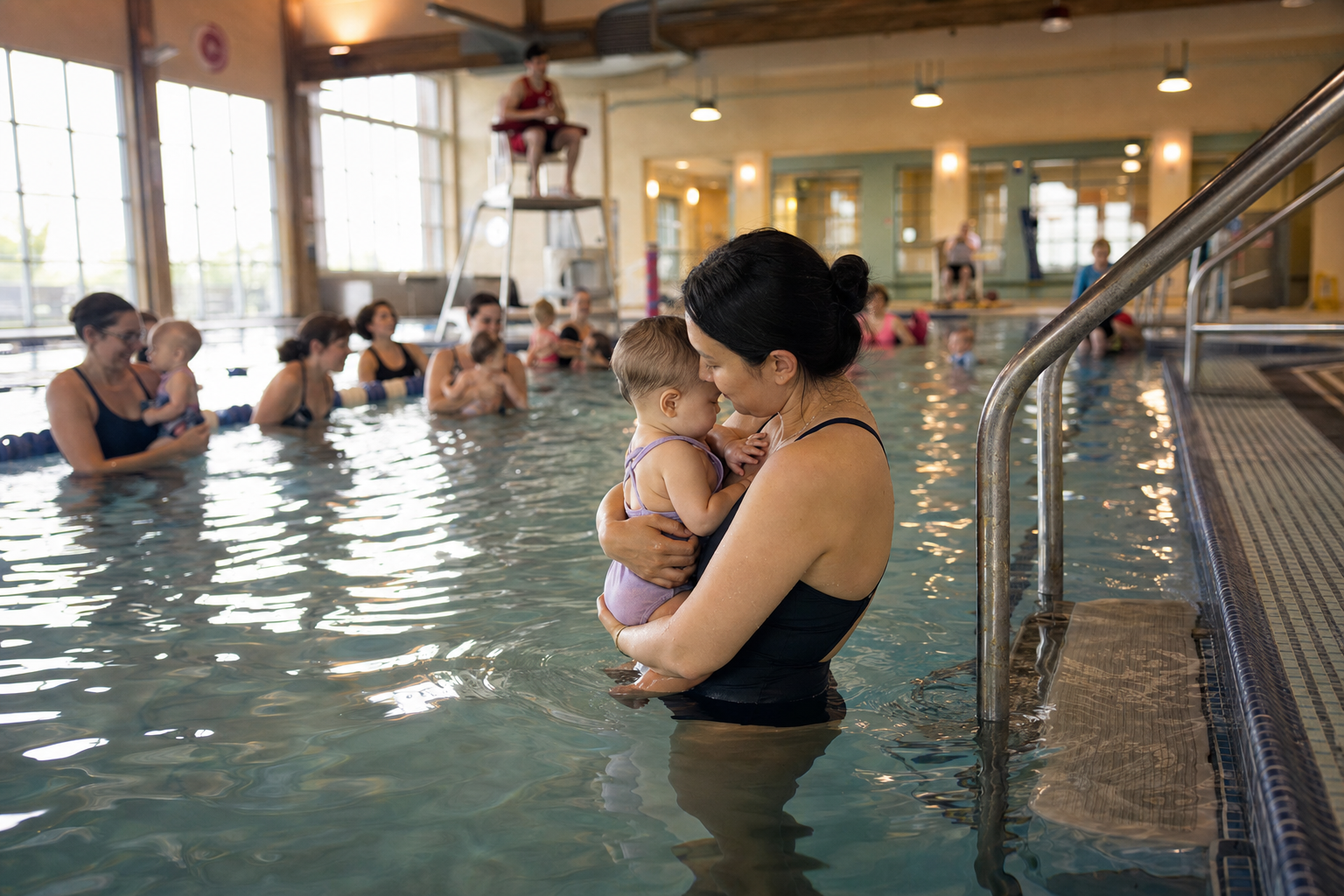
If your baby has congenital heart disease (CHD), you may wonder: Can my child swim? The answer is yes—often, but only with cardiology clearance, safety planning, and knowing what to ask and watch for. Below are the most critical things to cover first, then more detail to help you feel confident and informed.
Medical Clearance First: When Swimming Might Be Safe
Every child with a heart condition is different. For babies aged 0–36 months, swimming should only begin after these conditions are met: a cardiologist confirms they’re medically stable, incisions from surgery are fully healed, cyanotic spells are under control, pacemaker or anticoagulant therapy is managed. For instance, post-open-heart surgery, winding back to things like swimming often takes six weeks or more. Pools should stay off-limits until your baby's incision is completely closed, and you’ve had the follow-up with the surgical and cardiology team. Guidelines from pediatric surgery programmes, such as Children’s Healthcare of Atlanta, suggest pool swimming after two weeks for a healed incision, but open bodies of water like lakes or rivers may require waiting two months or more. (choa.org)
Key Conversation Topics With Your Cardiologist
To build water confidence while staying safe with a baby swim heart condition, ask your cardiologist these essential questions:
1. Diagnosis & Severity
What exactly is their congenital heart defect? Simple defects like small holes or mild valve leaks often allow more freedom than complex issues, persistent cyanosis, pacemakers, or conditions like pulmonary hypertension. “Most children with CHD handle moderate physical activity, including swimming, if their condition is stable and repaired.” (heart.org)
2. Exertion and Safety During Swim
How far can they go before they’re tired? Ask your cardiologist to explain signs like rapid breathing, bluish skin or lips (cyanosis), sweating or fussiness that doesn’t subside with rest. What should we do if oxygen drops? What heart rate feels safe? Should they wear a pulse oximeter during early swims? (health.ucdavis.edu)
3. Temperature and Environmental Limits
Cold water and sudden temperature shifts place extra stress on the heart. Ask whether warm-water pools are safer at first, and avoid icy water or outdoor swim when it’s cold. Humidity and chlorine levels also matter. Warm water reduces stress, but higher air or water temperature can increase heart rate too much, depending on the condition. Speak to your doctor about what’s safe for your baby. (heart.org)
If you want a structured way to build water confidence at home, the 10-Week Plan guides you step by step.
4. Recovery From Surgery, Pacemakers & Anticoagulant Use
How long to wait after surgery? Hospitals typically advise no swimming in pools, lake, river or ocean until incisions have healed, often 6 weeks post-op depending on procedure and sternum healing. If there’s a pacemaker or device implanted, avoid sharp blows, ensure device site is protected. If on blood thinners, grazing or minor bumps may bleed more. (chkd.org)
[[ctababy]]
How Parents Can Build Water Confidence, Safely
Balancing inclusion and medical caution is possible. When your child is cleared to swim, here’s how to help them—and keep yourself calm:
Start with short, shallow water exposure: holding them close and just letting them get used to pool edges. Try something like the “10-Week Plan” from swimy.org to build strength, comfort and basic skills gradually. Always use constant supervision, ideally with a parent or instructor experienced in CHD. Choose warm pools, avoid sharp drops, and use flotation aids only while under supervision.
Observe warning signs every time: breathing that's too fast, lips or face turning blue, unusual lethargy, heart racing and not coming down with rest. Keep an eye on how they recover after swimming—do they seem overly tired, irritable, or have difficulty feeding or sleeping?
Surgery Recovery and Wound Healing: When Swimming Is Off Limits
After chest surgery, protocols typically include no soaking or submerging wounds until healed. This means no tub baths, no pool swims until stitches or glue are gone, any surgical glue has fallen off naturally, and the skin is fully closed. For babies with incisions over the sternum, the bone (breastbone) needs time—often 4-6 weeks to heal fully. Until then, avoid pulling or lifting under the arms, contact sports, or any jolting motion to the chest. (rileychildrens.org)
Warning Signs to Monitor During Swim Lessons
Even when cleared, parents should know when to stop and call the cardiologist or go to urgent care. Signs include: chest pain or discomfort, persistent rapid breathing or breathing that doesn’t improve with rest, bluish lips or skin (cyanosis), palpitations, fainting or dizziness, swelling in the legs, or inability to recover after a swim lesson. Babies may show more feeding struggles, breathing challenges, or decreased playfulness. Any of these triggered during or after water play should lead to medical advice. (health.ucdavis.edu)
Putting It All Together
When you love watching your baby delight in water, you want safety paired with joy. A baby with congenital heart disease can often participate in swimming with the right medical clearances, proper wound healing, and attentive supervision. Your cardiologist is your guide: talk through the defect, evaluate exertion tolerance, understand surgery recovery timelines, ask about pacemaker or anticoagulant implications. Use small steps like immersion first, warm water pools, then work up cautiously. Everyday signs and honest feedback matter: let your baby lead, and always pause if anything feels off.
Love of movement, confidence, and inclusion are possible even when medical boundaries are strong. With expert guidance and your careful observations, your baby with a heart condition can enjoy water safely and beautifully.
120+ swimming exercises sorted by age — with video and instructions. Developed by swim instructors, completely free.

120+ swimming exercises sorted by age — with video and instructions. Developed by swim instructors, completely free.