When Pool Rules Conflict: How Parents Can Decode Policies for Babies (0–36 Months)
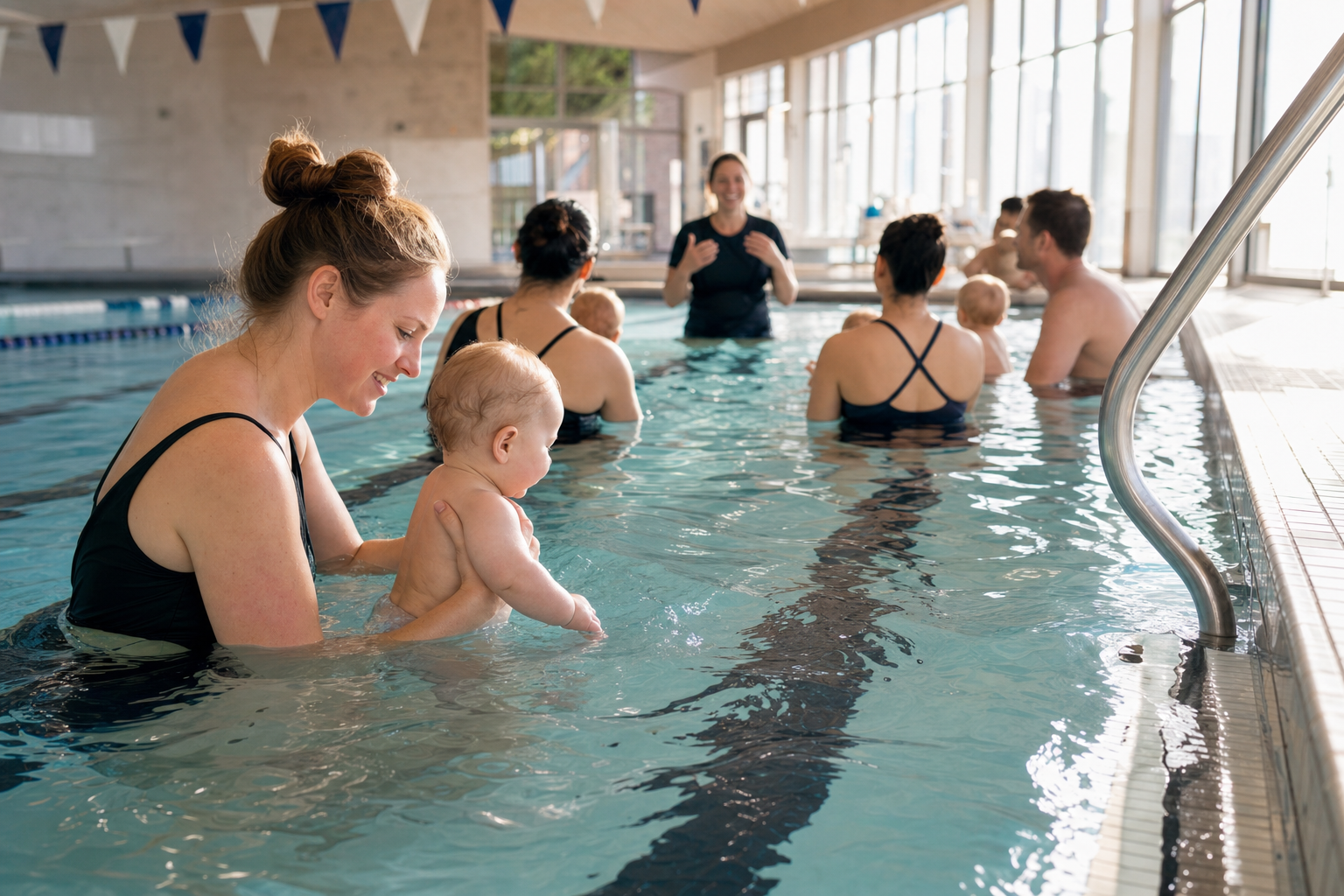
If you’ve ever walked into a pool only to be told the swim school wants a double swim diaper today—or that floats are banned—you’re not alone. Facility rules for baby swim classes vary more than you might expect. Some are based purely on safety, others on hygiene, and still others on local operations or liability. So how do you tell the difference? What matters most? And how do you decide which rules to follow when they don’t match what you saw elsewhere? Here’s a clear roadmap to help parents calm the confusion using real examples, expert advice, and actionable guidance.
Safety-based rules: More than just “boring but necessary”
Rules that protect tiny ones from real danger tend to show up everywhere, though handled with different strictness. For example, many pools ban floats designed for play or relaxation because armbands, inflatable rings, or baby floats carry serious risks. The U.S. Consumer Product Safety Commission (CPSC) has warned specifically about “Relaxing Baby” swim floats that can flip over and submerge a toddler, even if a caregiver is nearby. (cpsc.gov) Neck floats are another contentious float category. As of June 2026 they must meet a new federal safety standard under C.F.R. § 1250.5 to reduce hazards like slip-through risks or submersion. (cpsc.gov)
Parent-in-water requirements are also safety-based: to keep a baby’s airway safe, support head and neck, and ensure the adult can reach them quickly. Many swim schools require that for baby (0–36 months) lessons, a parent or guardian aged 16+ be in the water within arm’s reach. That isn’t just tradition—it’s about drowning prevention. The American Academy of Pediatrics emphasizes “touch supervision,” especially for infants under a year old. (healthychildren.org)
Hygiene-based rules: Keeping the water clear and healthy
Then there are rules meant to protect everyone’s health. If nothing else, swim diapers matter here. Regular diapers or pull-ups aren’t designed for immersion and may swell, disintegrate, or let pathogens escape. Many public pools require swim-diapers or disposable swim pants and sometimes an additional snug plastic cover. (montgomerycountymd.gov)
Rule sets like the CDC’s Model Aquatic Health Code offer guidance on “diaper-changing stations,” insisting babies who are not toilet trained wear a clean swim diaper and an over-cover, change frequently, and avoid pool use while ill. (aahealth.org)
Local operations & policy quirks: More flexible—but unpredictable
Some conflicting rules are neither about safety nor hygiene, but about how a facility does things. One swim school might insist on “double swim diapers” (a disposable swim diaper underneath, reusable over top) as part of their branding or because they've seen more leaks and want fewer disruptions. Others may only allow one parent in the water per baby to manage crowding or maintain class ratios. These policies vary even between branches of the same organization.
If you want a structured way to build water confidence at home, the 10-Week Plan guides you step by step.
In the UK, Baby Swim UK asks its tiny swimmers to wear “swim nappy AND A nappy cover.” (babyswimuk.com) Bolton Swim School’s terms say parent-&-toddler classes require the accompanying adult to stay in the water for the whole session and to follow teacher instructions. (boltonswimschool.co.uk)
[[ctababy]]
Rules about who takes lessons, when you can start swimming classes, or what counts a “baby class” are also part of operations. In Australia, babies can often start formal lessons at about 6 months and always need a swim nappy. Lessons are structured around fun, bonding, and safety, not early survival skills. (pregnancybirthbaby.org.au)
How to compare and decide: three key perspectives
1. Read which rule source applies right now
If a swim school or hotel pool you’re visiting has posted signs or emailed parents, that’s the rule for your visit. Even if an infant class you went to last week only asked for a single swim diaper, the pool you’re visiting today may require double swim diapers or specific covers and waterproof pants. Always bring what’s needed. Best practice: treat the posted rule, or staff instruction, as the strictest policy you follow on that day.
2. Match rules to their motivations: safety? hygiene? operations?
Ask “why”: is this rule about preventing drowning (safety), contamination (hygiene), or just keeping things flowing or limiting risk (operations)? When a rule is safety-based, it’s likely backed by national guidelines or warnings (e.g. CPSC, AAP). When it’s hygiene, public health boards and aquatic health codes tend to be involved. If it seems arbitrary and different in nearby pools or schools, it’s probably operational. Example: the CPSC’s neck float standard is clearly safety-based. But double swim-diaper mandates aren’t always required by law—they’re often local policy.
3. Use expert or standard guidelines as benchmarks
Reliable sources help you gauge whether your local pool’s policy falls in line. AB-swim programs, baby swim schools, or major providers often publish standards. For example, the American Academy of Pediatrics recommends swim lessons starting after 1 birthday, because before that infants lack coordination needed for survival swimming. (publications.aap.org)
In the UK and Australia, Baby/Parent classes nearly always require a swim nappy plus a cover, and a parent in water for 0-3 yrs. On your part, look for swim schools that point you to documents like the RLSS, Swim England, or Australia’s Royal Life Saving guidelines. The 10-Week Plan from swimy.org is one such resource that outlines progressive water confidence-building for babies and toddlers, helping you compare classes. It helps you see whether a program is developmentally appropriate, even if it's stricter or looser than one nearby.
Practical tips: how to show up prepared, calm, and flexible
- Pack both disposables and reusable swim nappies; bring a plastic over-cover layer if that’s part of nearby facility rules.
- Check the facility’s website or email rules ahead of time: about floats, number of accompanying adults, temperature, what swim diapers they accept, age ranges.
- Always plan to go under the strictest set of policies if in doubt.
- Ask questions politely: “Is a swim float allowed today?” “Can I be in the water with my baby? Within arm’s reach?” Facilities usually appreciate calm parents doing their homework.
- Let your baby's comfort guide you—just because a class starts at 3 months elsewhere doesn’t mean your baby is ready.
Bottom line
Pool rules for babies differ a lot—some rules matter for safety, some for cleanliness, and some just reflect how a facility operates. Decode the rule type, follow the posted one that applies that day (especially for swim diapers and parent-in-water rules), and compare programs using expert guidance like that of the AAP, RLSS, or Australia’s Royal Life Saving. That way, you’ll know when a pool is being overly strict and when it’s simply keeping babies as safe and healthy as possible. Show up prepared, ask what you need to, and give your baby the very best experience, splash by splash.
120+ swimming exercises sorted by age — with video and instructions. Developed by swim instructors, completely free.

120+ swimming exercises sorted by age — with video and instructions. Developed by swim instructors, completely free.