Your First Public Pool Visit: A Parent’s Guide Before Swimming Lessons
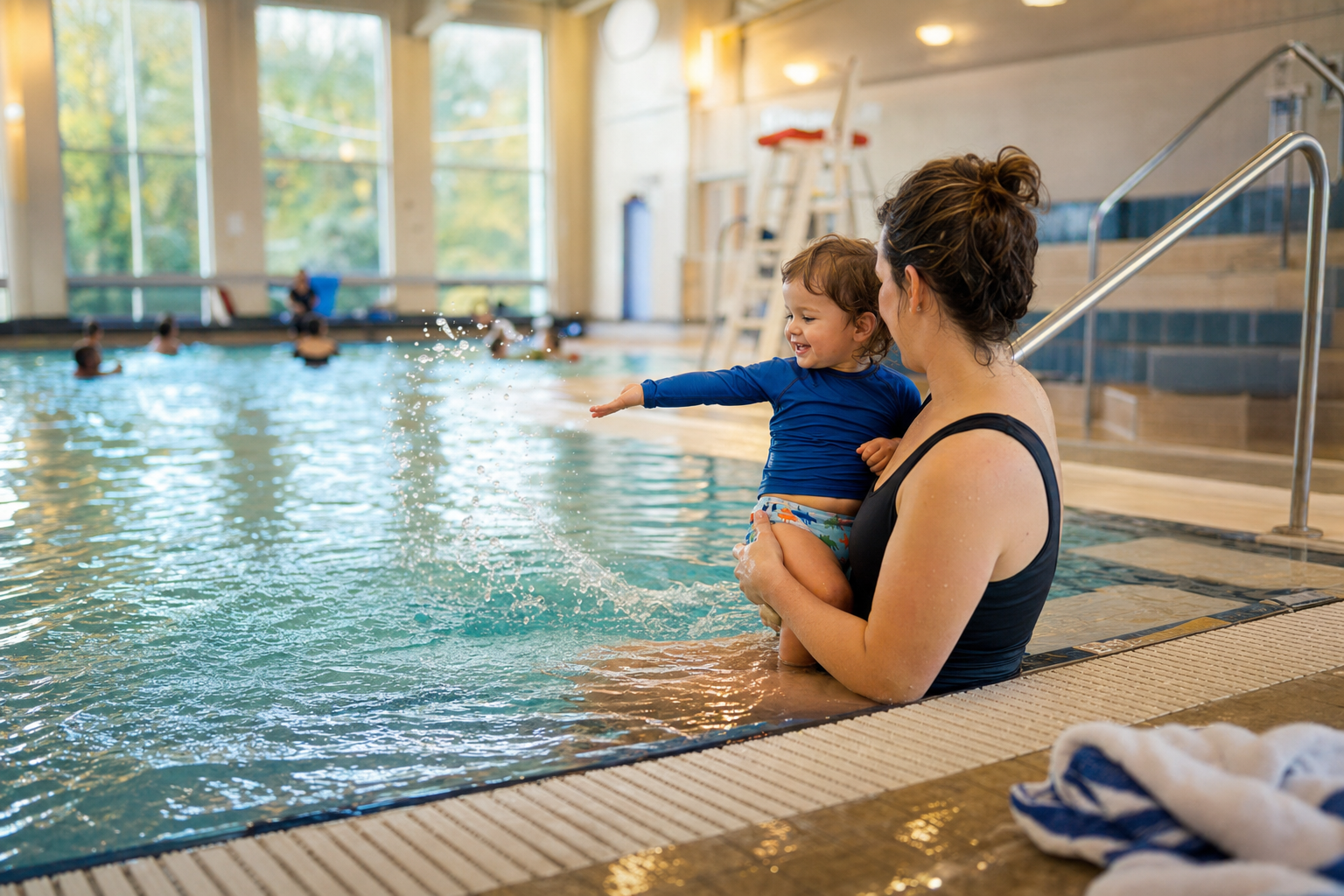
You want your baby or toddler to enjoy their first splash without stress, cranky fits, or cold shocks. So before you commit to full swim classes, try one calm public pool visit using these tips to make it smooth and positive for both of you. Here’s exactly what to do, and what to watch out for when it's your first time taking baby swimming or taking toddler to pool first time.
Start Simple: Choose a Family Swim Session
Head straight for the family swim or “family hour” times offered by your local YMCAs, community pools, or leisure centers. These sessions tend to be the least crowded, quieter, and more relaxing. Ask the pool staff about which times are less busy. Early mornings or weekdays are often calmer than weekends.
When you arrive, check the rules. Many pools require swim diapers for children not potty trained and approved swim attire. Your child should always be within arm’s reach (“touch supervision”)—even if there’s a lifeguard. Pools typically have posted signs that cover hygiene and safety guidelines. These rules help protect baby’s health and avoid big surprises.
Make Safety Your Priority
Babies under six months are still working on cooling and heating their bodies and controlling their heads. Pediatricians recommend waiting until about six months before entering large public pools, and even then, keep first visits short. Bath water warm to around 89°F (32°C) is ideal for younger infants. If water is colder, limit a baby’s exposure to ten minutes or so before stepping out to warm up. Toddlers older than a year can handle longer gentle sessions if they seem happy. HealthyChildren.org and Boys Town Pediatrics both urge parents to start with very short, gentle dips for younger babies, gradually increasing time as comfort builds. (boystownpediatrics.org)
Be vigilant about water quality. Use pools whose disinfectant (chlorine or bromine) and pH levels are well-maintained, ideally visible to swimmers according to local health regulations. Chlorine helps kill germs, but too much can sting baby’s eyes or skin. Also be aware of hygiene: shower before entering, change swim diapers frequently, and avoid entering the pool if your baby is sick. The CDC offers guidance around public health standards and how to reduce risks associated with public aquatic facilities. (cdc.gov)
If you want a structured way to build water confidence at home, the 10-Week Plan guides you step by step.
What to Pack & Wear
Swim diapers are essential if your child isn’t toilet trained. These contain solid waste and help prevent pool closures, though they’re not fully leak-proof. Pair them with snug plastic pants and proper swimwear made of quick-dry materials. For babies or toddlers, having a rash guard or wetsuit helps with warmth, especially in pools that don’t have perfect heating. A hooded towel, extra dry clothes, swim hat, baby-friendly sunscreen if outdoors, and grip socks for walking on wet surfaces will help avoid scrambling at the last minute. From our research and real parent experiences, being over-prepared on clothing sets you up for comfort, not stress.
[[ctababy]]
Plan a Short Visit & Exit Early If Needed
Your first swim should aim for bright smiles, not melting-down fits. Keep it to under 30 minutes in the water for babies younger than one year. Start with 10 minutes in, 5–10 minutes out to warm and calm. If baby starts shivering, looking cold, whining, or lips turn pale, it’s time to pack up. Remember, a positive first exposure matters more than staying longer.
Around 30–60% into your first pool visit (after you’ve familiarized baby with water, tried steps or shallow entry, maybe splashed together) you might start thinking about something more structured, like early classes. For that, programs like the 10-Week Plan of swimy.org can give you a gentle, guided path toward lessons—helping you decide if you want to enroll baby or toddler once they seem relaxed and ready in shallow water (note: this plan isn’t about formal swimming but about comfort and readiness).
Real Talk: What Parents Often Overlook
One thing that trips people up is assuming baby will love the pool. Some babies do, many don’t at first. If your toddler clings, cries, or isn’t ready to dunk their toes, that’s ok. Just step back to shallow water, stay close, joke, sing, and make it playful. Another pitfall is staying too long—babies tire fast. Even 30 minutes of water plus travel, changing, feeding, all adds up. Planning for shorter visits reduces overtiredness and overwhelming situations.
Another overlooked detail: check the water temperature and air temperature around the pool deck. Pools that are warm may still have cold air outside showers or changing rooms. Bring a warm sweater or dry robe to wrap baby immediately after exiting. Rinsing off chlorinated water asap helps prevent skin irritation and ear infections.
Wrapping Up: Your Takeaway
Your first public pool visit is not about mastering strokes—it’s about laying the foundation for future swim confidence. Keep things short, safe, and full of joy. Look for family swim sessions, inspect rules and hygiene, have everything ready in your bag, and always stay within arm’s reach. If baby seems uncomfortable, wrap up the visit early—better to leave wanting more than full and overwhelmed.
Use these steps, and when you decide to move toward classes, you’ll be two steps ahead. Soon enough, “baby classes” or parent-toddler lessons will feel like natural next moves. Until then, enjoy the splash, the smiles—they’re part of building lifelong water confidence.
120+ swimming exercises sorted by age — with video and instructions. Developed by swim instructors, completely free.

120+ swimming exercises sorted by age — with video and instructions. Developed by swim instructors, completely free.