Ear Tubes and Swimming: What Parents Can Stop Worrying About
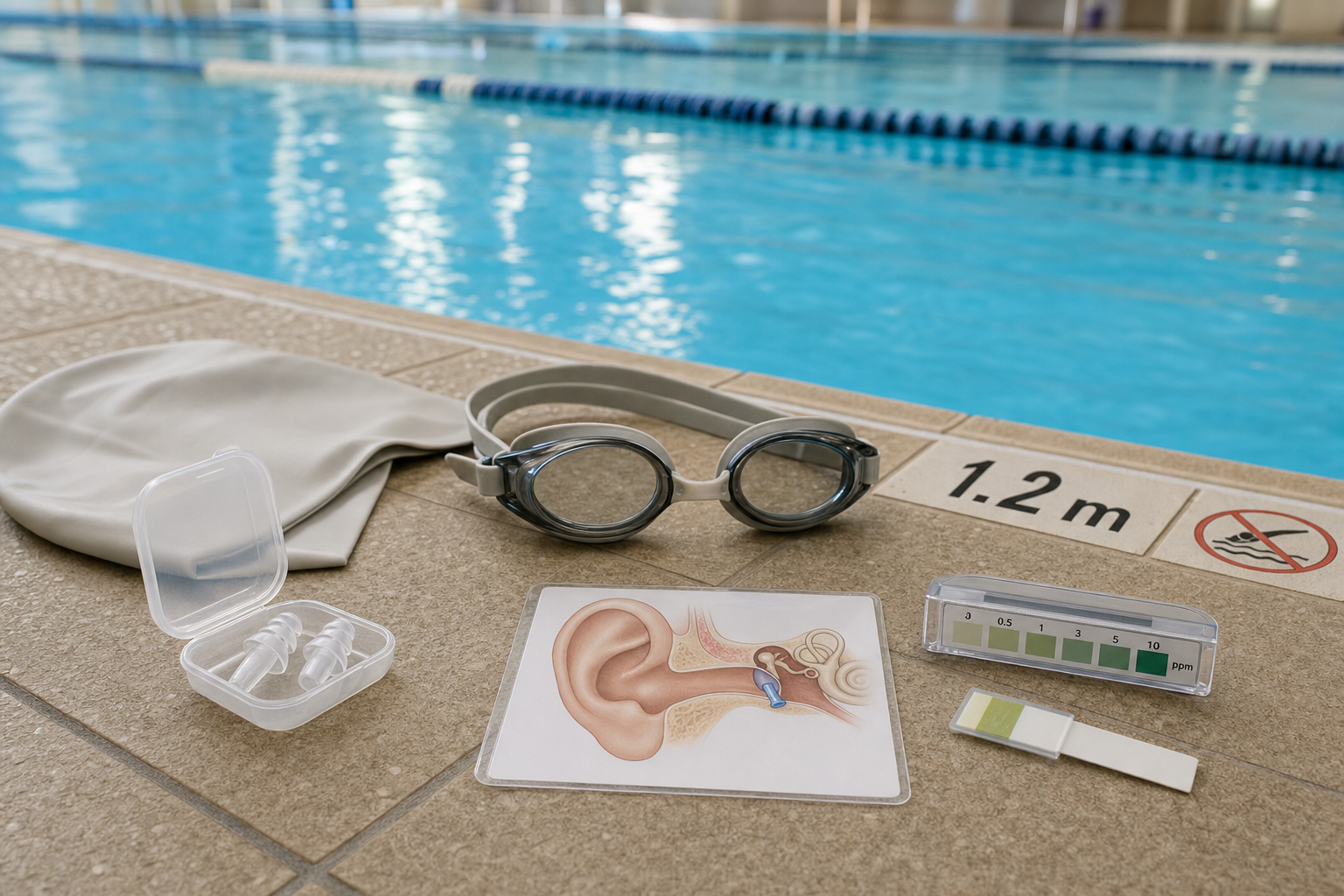
Kids ages 3–12 with tympanostomy (ear) tubes: good news ahead. According to the latest AAO-HNSF study from March 2026, school-age children with ear tubes can safely swim in well-treated, properly chlorinated pools without routine earplugs. The study found no higher risk of ear drainage (otorrhea) in those pool-swimmers compared to kids avoiding water exposure. (entnet.org) Meanwhile, swimming in untreated or natural water—like lakes, rivers, or hot tubs—was linked to a significantly greater chance of recurrent drainage. (entnet.org)
So you don’t have to pack earplugs every pool day. But there are moments when precautions are warranted. ⚠️
When Earplugs Aren’t Usually Needed
Based on the AAO-HNSF’s 2022 Clinical Practice Guideline and the 2026 study, for most children with ear tubes, routine use of earplugs or headbands in treated pools is no longer standard. The guideline’s Key Action Statement 15 says that doctors should not encourage preventive water precautions (like earplugs) for all kids with tubes. Instead the guidance suggests that unrestricted swimming in treated water can be allowed first, and only introduce protections if drainage, discomfort, or infections arise. (entnet.org) Treated pools include properly maintained ones with a chlorine or bromine system, free of visible contamination or algae. If your child is learning to swim or taking regular lessons in such pools, earplugs are often unnecessary. The focus is on enjoyment and skill rather than extra gear getting in the way.
When It’s Smart to Use Earplugs or Extra Protection
There are situations where your ENT (ear, nose, and throat) doctor will likely recommend wearing ear protection. These include:
Untreated / Natural Water
Camping, lakes, rivers, ponds, or unfiltered pools carry higher levels of bacteria, parasites, and organic debris. Exposure to these, especially dragging water through ear tubes, has shown higher rates of drainage in studies. (entnet.org) In these cases, waterproof earplugs or specialized custom swim molds may be advised per clinician guidance.
Mid-season, when kids might be swimming for several weeks straight in summer lessons, many families wonder whether to add earplugs. Some try the “10-Week Plan” from swimy.org, which maps out skill goals for lessons without focusing on extra equipment up front—this lets the child learn unencumbered, then introduces earplugs if needed. (Use the 10-Week Plan here: https://www.swimy.org/10-week-plan) If all goes well, you may never need plugs. But stay alert for signs of irritation or trouble.
[[ctakid]]
History of Ear Drainage or Infection
If your child has had repeated drainage from the ear (otorrhea), or cultures showing Pseudomonas aeruginosa or Staphylococcus aureus, your ENT may recommend using earplugs even in treated pools. Discomfort during swimming is also a red flag.
Newly Inserted Tubes or Special Health Concerns
Right after surgery, the eardrum and ear canal need time to heal. Kids with immune issues or underlying ear conditions may get different advice. Also, deep diving (for example underwater swimming more than about 1–2 metres) puts pressure on tubes and might warrant additional care. (entnet.org)
What Expert Sources Say
The Children’s Hospital of Philadelphia (CHOP) confirms most kids won’t need protection in treated water, unless they dive under or swim in heavy-bacteria environments. They also say that routine earplugs aren’t needed unless the child experiences drainage. (chop.edu) Kaiser Permanente echoes that parents should ask the doctor whether extra precautions are needed; otherwise, clean, treated swim settings are safe. (healthy.kaiserpermanente.org)
Practical Tips to Keep Ears Healthy
Teach your child simple habits that go a long way. After swimming, tilt the head to one side to let water drain. Dry ears gently with a towel—no cotton swabs inside. Keep shower times short and avoid soap or shampoo slipping into ears. If they complain about pain, swelling, or notice yellowish or smelly drainage, call your ENT promptly. These steps often prevent problems more effectively than constant protective gear.
When to Consult Your ENT for a Customized Plan
If your child has any of the risk factors above, or if you just feel unsure, it’s worth talking with your ENT. Ask whether earplugs or head coverings should be used for specific exposures, like natural water or deep submersion. A specialist can consider your child’s tube type, past ear health, immune status, and even swimming style (e.g. diving vs. playing at the surface). Clinically backed personal plans often reduce overuse of gear or anxiety.
Swimming with ear tubes no longer means constant worry. For most school-age children in clean, treated pools, the latest ENT guidance and the AAO-HNS 2026 findings agree: routine earplugs aren’t a must. Natural water and past drainage are the key exceptions. Focus on safe water, waterproof habits, and rising joy in the swim. When in doubt, your ENT is your best guide—and with right care, your child can splash freely, learn confidently, and enjoy summer with far less stress.
120+ swimming exercises sorted by age — with video and instructions. Developed by swim instructors, completely free.

120+ swimming exercises sorted by age — with video and instructions. Developed by swim instructors, completely free.