Swimmer’s Ear and Pool Hygiene: A Prevention Plan for Kids 3–12
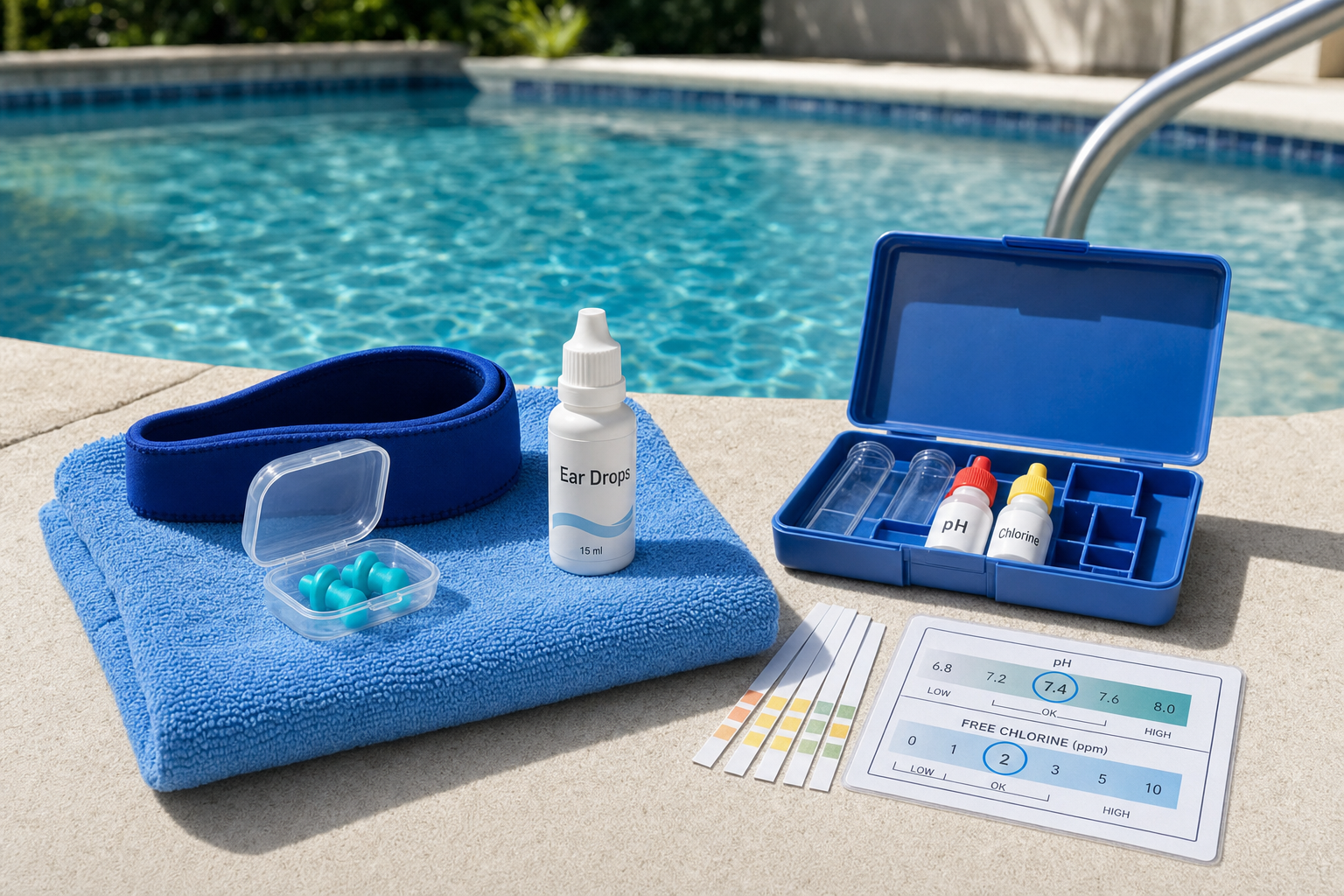
It’s summer, your kids are in the pool six days a week, and by midweek, one of them is tugging at their ear—or worse, complaining of pain. You need simple, effective strategies right now to prevent swimmer’s ear in kids, keep them swimming, and protect their ears and immune systems. Below are routines and guidelines you can start today, with real info about ear plugs or drops for swimming, how to manage home pool pH for families, and what symptoms mean it’s time to call the pediatrician.
Dry Routine: Keep Those Ears as Dry as Possible
The crucial step in preventing infections is removing water from the outer ear quickly after swimming or bathing. After every swim, tip your child’s head side to side to drain water, pull the earlobe gently in different directions, then dry with a soft towel. If water still feels trapped, use a hair dryer on the lowest heat and speed setting, held several inches from the ear. The Centers for Disease Control and Prevention (CDC) calls keeping ears as dry as possible one of the most effective prevention strategies for swimmer’s ear. (cdc.gov)
Avoid using cotton-tip swabs, fingers, or tools to dig out earwax. Those can break the thin skin lining the ear canal and actually increase infection risk. HealthyChildren.org warns that injury from swabs is a big factor in recurring swimmer’s ear for kids. (healthychildren.org)
Ear Plugs or Drops for Swimming: When & What
For many kids, using ear plugs during swim sessions can make a large difference. The CDC recommends ear plugs or custom-fitted swim molds to help keep water out of the canal. (cdc.gov) Choose soft, well-fitting ear plugs or water-proof headbands designed for swimmers; practice with them when you're out of the pool so kids feel comfortable using them. A tight fit is better than fussing all summer.
As for ear drops: mild over-the-counter drying drops (such as those with alcohol or acetic acid) can help after swimming. The mixture of one part white vinegar to one part rubbing alcohol, drop in each ear, let it drain, is often recommended for kids without eardrum damage or ear tubes. Still, always check with your pediatrician before using drops, especially if there’s a punctured eardrum, ear tubes, or current discharge. (cdc.gov)
If you want a structured way to help your child progress at home, the 10-Week Plan guides you step by step.
Safe Pool Chemistry Basics: Perfect for Home Pools
If your kids swim at home, you control the water. The CDC sets clear targets for safe, family-friendly pool pH and disinfectant:
Maintain pool pH between 7.0 and 7.8, with 7.4–7.6 being more comfortable and effective. (cdc.gov) For free chlorine (when using chlorine sanitizer), aim for at least 1 ppm in pools. If using chlorine with cyanuric acid stabilizer, the CDC recommends at least 2 ppm for pools. (cdc.gov) Test water at least twice per day during heavy use. When pH rises above 7.8, chlorine becomes less effective—great for bacteria—but bad for ear safety, skin, and eye comfort. When pH dips below 7.0, water can become harsh and irritating. A balanced pool helps protect your children’s ears, too. (cdc.gov)
[[ctakid]]
Also keep pool surfaces clean, ensure swimmers shower before entering, and don’t allow swallowing of water. Dirty water, sweat, urine, and debris reduce chlorine levels and raise infection risk. (cdc.gov)
Small Routines Parents Can Turn Into Habits
Do weekly checks for wax buildup, skin conditions (eczema, psoriasis) or any discomfort. Your child may need a prescription ear drop if infections keep coming back frequently. Also, clean bath toys: moldy or contaminated toys in bath and pool areas can harbour bacteria that jump from toy to ear or eye.
Recognizing Red-Flag Symptoms & When to Contact the Pediatrician
A little itch or mild discomfort during or after swimming is common. But watch out for signs that the infection is getting worse:
- Severe ear pain, especially pain that worsens when you pull the outer ear or touch the tiny bump in front of the ear canal (tragus).
- Swelling of the ear canal, drainage (pus), fever, or smell.
- Hearing loss, muffled hearing, or sense of fullness. Problems lasting more than 48-72 hours despite home care should prompt a doctor’s visit. If there’s any ear discharge or something that looks like pus, leave out water exposure and contact the pediatrician.
Don’t ignore recurring swimmer’s ear. If your child has it several times a year, doctor may check for anatomical issues, allergies or recommend long-term preventive drops or treatments. (healthychildren.org)
Kids aged 3–12 deserve to swim freely all year long. With consistent drying routines, using ear plugs or safe ear drops, maintaining your home pool’s chemistry, and knowing when symptoms cross the red-flag line, you can prevent swimmer’s ear in kids while keeping the pool fun. Let your child dive back in without fear—or earache.
120+ swimming exercises sorted by age — with video and instructions. Developed by swim instructors, completely free.

120+ swimming exercises sorted by age — with video and instructions. Developed by swim instructors, completely free.