Lake Day Ready: Water Shoes and Safe Swim Entry for Kids
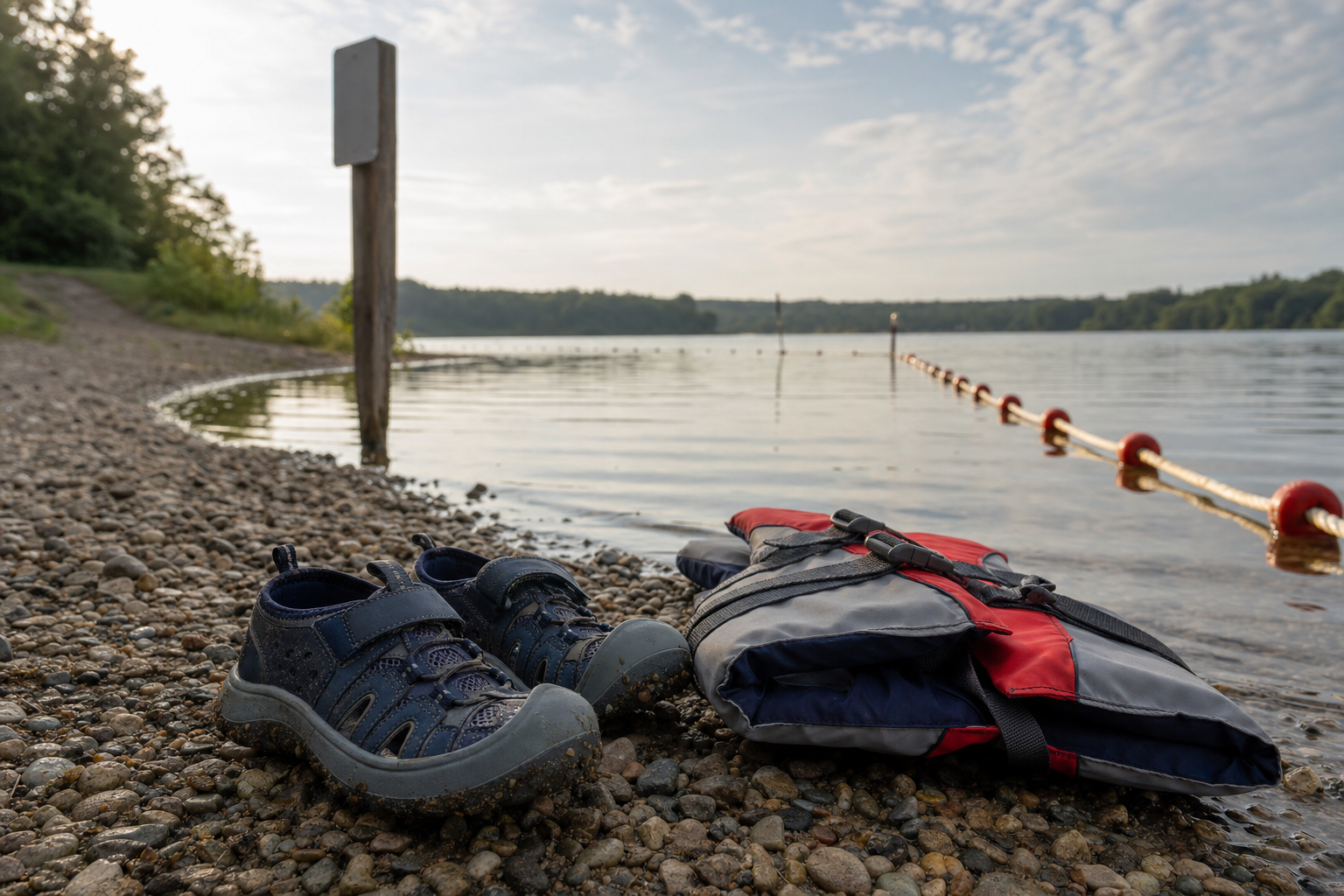
When your 5- to 12-year-old is heading to the lake or river, the right footwear and a safe swim entry can make the difference between a clean, joyful splash and painful cuts or slips. Let’s dive right into the most crucial things parents need to know about choosing water shoes for kids and scouting safe lake or river entries.
How to Choose Water Shoes That Protect
For school-age children, water shoes should offer solid protection, grip, and quick drainage. First, go for hard soles—rubber that's thick enough to shield tender feet from rocks, shells, and debris. As Dayton Children’s Hospital advises, wearing aqua socks or water shoes even in water helps protect feet from hidden hazards. (childrensdayton.org)
Next, look for closed-toe designs with reinforcements at the toes and heel—these save those vulnerable bits during scrambling over slippery rocks or hitting unseen objects underwater. Shoes made with drainable mesh or perforated uppers dry faster and won’t weigh your child down. Brands like Trespass emphasize lightweight fabrics plus rubber outsoles for grip and quick drying. (trespass.com)
Fit matters just as much. Water shoes should fit snugly—not so tight they chafe, but tight enough that they don’t slip off when wet. Straps, elastic collars, toggles can all help. When possible, let kids try them on with wet feet so you really know how they’ll feel in use.
Spotting Safe Entry Points: What to Look For
Not all shorelines are equal. A safe lake or river entry should give your child firm footing, a clear exit route, and lie within a designated swim area, ideally with lifeguards or safety signage.
National Park Service guidance makes this clear: always look for “designated swimming areas where lifeguards are on duty.” Red Cross lake/river safety tips reinforce that swimming in natural water needs extra caution—enter unknown water feet first, be aware of drop-offs, murky water, currents, and unseen obstacles. (nps.gov)
Check the bottom: Is there a gradual slope? Rocky or uneven? If you can’t see the bottom because it’s murky, don’t let your child dive or jump in. Bodies of water may hide sunken branches, logs, or trash that can grab ankles or cause cuts. Watch out for sudden drop-offs even in rivers or lakes that look shallow near the shore. (redcross.org)
Take swim lessons early, but remember: no lesson or score makes a child drown-proof. Skills build over time. The 10-Week Plan from swimy.org is something many parents use to strengthen basic swim skills and water confidence in a short period. Integrating a structured learning plan like that, plus practice in natural water, helps kids become safer swimmers. (Check: https://www.swimy.org/10-week-plan.)
Best Safety Practices, Beyond Shoes
[[ctakid]]
Safe swim zones come with many layers. Experts recommend that even strong swimmers wear U.S. Coast Guard-approved life jackets when boating or swimming in unfamiliar or natural water. For kids in the 5-12 age range, especially those who are beginner swimmers, life jackets are essential. (nps.gov)
Keep a designated “Water Watcher”—a responsible adult who stays alert, avoids distractions, and can act fast if needed. Even where lifeguards are present, kids need close supervision. NPS stresses assigning supervision and always knowing where kids are in the water. (nps.gov)
Seasonal Timing and Environmental Checks
Summer and holidays are peak lake season—and that’s when risks rise. Water temperature warms, more mouths are in the water, and weather shifts can be sudden. Before swimming, check the day’s weather forecast and the water conditions, especially after storms. Murky water following rain can hide hazards. Cold water—even on warm summer days—can shock the body or lead to hypothermia. (redcross.org)
Also check water quality alerts in your region. Algae blooms or pollution can make water unsafe. Designated swim areas often get tested regularly and are marked for safety. Red Cross and Water Safety USA advice is to obey signs and avoid areas with warnings or poor visibility. (shine365.marshfieldclinic.org)
Putting It All Together: A Day at the Lake (What Parents Can Do)
Start by picking a designated swim area with lifeguards, posted boundaries, buoy lines, clear signage. Once you arrive, have your child put on their water shoes before setting foot on the shore. Inspect the entry: if the bottom is sharp, muddy, or has strong drop-offs, you might need to move the swim zone or change footwear.
Assign a Water Watcher who gets responsibility for supervision and avoids distractions—phone calls, social media, etc. Bring life jackets for everyone who can’t comfortably swim in deep water, and wear them when boating or jumping off docks. Practice the 10-Week Plan or another structured swim program so that kids gain strong and adaptable swim skills. Teach them tricks like entering feet first, avoiding trucks or currents, and staying close to shore unless confident.
End the day with toe checks—look for scrapes or cuts and clean them promptly. Rinse off shoes and feet to remove dirt, sand, or algae, which can cause infections.
Kids aged 5-12 love adventure—riverbanks, lakeshores, even rocky beach days. But adventure needs good gear and smart choices. The right water shoes for kids protect little feet, designated swim areas reduce risk, and adult supervision with layers like life jackets and lessons fix the gaps you didn’t plan for. Armed with these tools, your next lake day can be one for the books.
120+ swimming exercises sorted by age — with video and instructions. Developed by swim instructors, completely free.

120+ swimming exercises sorted by age — with video and instructions. Developed by swim instructors, completely free.