Swimming With a Baby Who Has Special Needs: An Inclusive Guide for Parents
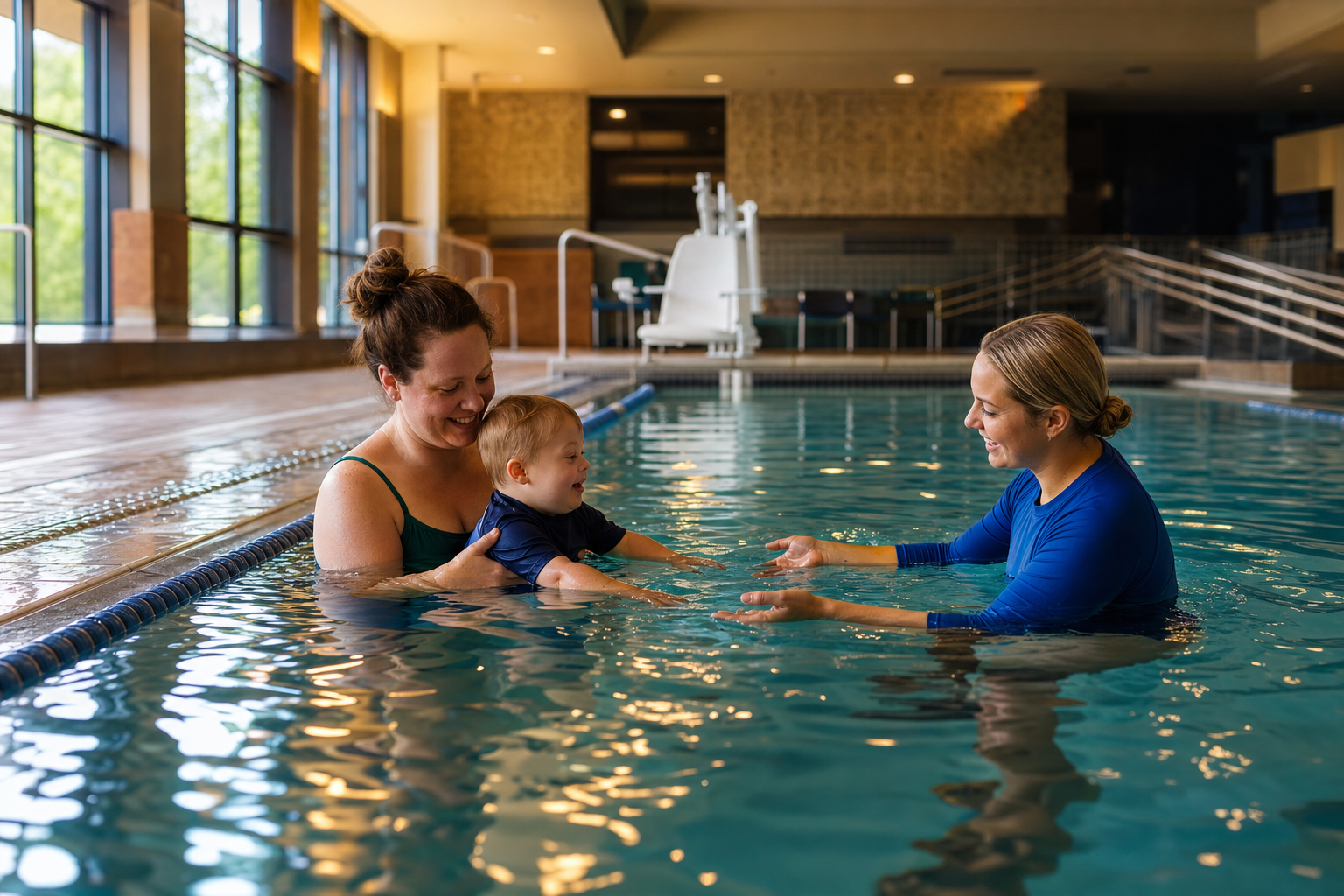
If your baby or toddler (0–36 months) has developmental delays, sensory sensitivities, low muscle tone, seizures, or medical complexity, swimming can be deeply beneficial—and it’s more than possible. With the right adaptive, respectful water experiences and a solid plan, your special needs baby can feel safe, strong, and happy in the water. Here’s what you need to know—questions to ask, safety checks, adaptations, and how to find the right instructor so that “mainstream” baby swim advice fits your child, not someone else’s.
Get Medical Clearance & Manage Medical Risks
Before even stepping foot in the pool, get medical approval from your baby’s doctor if any of the following apply: recent surgery, heart condition, breathing issues, feeding tubes, frequent seizures, or being significantly premature (especially under 34 weeks gestation). For babies with epilepsy, clinic guidance emphasizes that once seizures are under control medically, swimming may be permitted—with precautions like constant supervision and letting instructors and lifeguards know about the condition. (swimming.org)
If your child is medically fragile due to prematurity, low muscle tone, or feeding support, specialist advice will guide when their immune system, core strength, and respiratory systems are ready for immersion. Skin conditions, unpredictable bowel or bladder control, and other medical “contraindications” should also be checked before regular lessons.
Choose Instructors and Programs With Adaptive Expertise
Not all swim lessons are created equal. When looking for “special needs baby swim lessons” or “adaptive swim lessons toddler,” look for instructors certified or trained in adaptive aquatics, such as through Swim Angelfish, to ensure understanding of sensory, motor, and developmental challenges. (aquaticpros.org)
Ask specific questions: What is the instructor‐to‐child ratio? Can I observe a class or do a private trial? Is the pool heated (ideally 87-94°F for babies and toddlers)? What safety certifications do staff hold? Do they offer intake assessments so they can adapt lessons for sensory needs or medical notes? (usaswimming.org)
You’ll find quality examples in programs like WeAquatics, which uses 1-on-1 adaptive swim lessons with specially certified instructors for those with sensory sensitivities, autism, anxiety, or low muscle tone. (weaquatics.com) Another is Auntie Ashley’s Aquatics, offering individualized adaptive aquatic programs for babies as young as three months with ASD, Down syndrome, and other needs. (auntieashleyaquatics.com)
Adaptations & Supports in the Water
Babies with sensory issues may dislike splash, smell of chlorine, or bright pool lighting. You can request “quiet hours” or sensory-friendly swim sessions where noise, lighting, and crowd levels are adjusted. Zen Penguin Swim School is one group that offers such “sensory-friendly lessons crafted with care for neurodivergent learners.” (zenpenguinswimschool.com)
If you want a structured way to build water confidence at home, the 10-Week Plan guides you step by step.
Low muscle tone often means extra support in the water: floatation aids, therapists or instructors who help with gentle movement or water therapy techniques. Speak with a physical or occupational therapist about stretches or movement patterns that can be integrated into swim lessons.
For seizures, ensure one adult is always within arm’s reach in the water. All supervising adults and instructors should know what to do if a seizure occurs in water. Clarify how frequent seizures are, what triggers might be involved, and when a child should sit out. (swimming.org)
Questions to Ask Before Enrolling
You want to enter class confident. These questions give you what you need to see up front:
[[ctababy]]
- Has the instructor completed adaptive aquatics certification?
- Does the facility have ADA-compliant changing rooms, calm waiting room, accessibility (zero entry, chair lift)?
- What are the class sizes and instructor ratios? Is it private or group?
- Can the schedule be modified—shorter lessons, more breaks—as needed by your child’s stamina or attention?
- What is the curriculum: What water safety skills are taught? Will floating on the back be prioritized for breathing/rest?
- How do they communicate with parents about progress and concerns?
Everyday Tools and Techniques at Home & Between Lessons
Swim confidence grows with small supportive experiences. Try gentle water “introductions” at home—splashing in a shallow warm bath, blowing bubbles, playing with toys in water. Let the child lead comfort levels, so they build trust with the water before pushing into structured skills.
A good self-teaching aid is the 10-Week Plan from swimy.org, which helps parents gradually teach children swim skills in a paced, supportive way. This can complement lessons, especially during gaps or when leaning on home practice. (aquaticpros.org)
For sensory regulation, consider swim caps that cover ears, soft goggles, or warm towels immediately post-swim. Always take cues from your child—if they’re overstimulated refocus, break, or allow them to exit.
Safety First: Environments & Equipment
Warm water is safer and more comfortable for infants and toddlers with low tone or medical complexity. Water around 87-94°F (30-34°C) helps maintain body temperature. Make sure the pool has good disinfection practices and that swim diapers or liners are used when necessary. (healthychildren.org)
Ensure constant touch supervision under age 4: an adult within arm’s reach in the water at all times. For babies or those with frequent seizures, this may mean a 1-on-1 session. Lifeguards and staff should know your child’s diagnosis or risk factors. Use flotation devices only under professional guidance—not already inflated wings or toys.
Settling Into Swim Lessons: What to Expect & How to Advocate
Even with the best setup, your child may have days when they are overstimulated or fearful. Expect progress that isn’t always visible in swim strokes—it might look like entering water with less crying, tolerating head dips, or even better movement in water.
Advocate gently: if an instructor is rushing head dips or enforcement of mainstream expectation without first building comfort, ask them to slow the pace. If routines or class structures are overwhelming, ask for adaptions—fewer participants, softer lighting, more predictability.
Celebrate small wins: baby floating on back, breathing bubbles, kicking legs, or simply being calm in water. These are trust and safety building blocks far more vital than speed or stroke mastery at this age.
Swimming with a baby who has special needs isn’t about matching everyone else’s timeline. It’s about creating inclusive, respectful water experiences, combining medical clearance, adaptive teaching, safety checks, and personalized support. When done right, swimming can open up joy, connection, strength, and lifelong water confidence. You don’t just find lessons; you build an environment where your child feels seen, capable, and safe—one splash at a time.
120+ swimming exercises sorted by age — with video and instructions. Developed by swim instructors, completely free.

120+ swimming exercises sorted by age — with video and instructions. Developed by swim instructors, completely free.