Open-Water Weeds & Snags: Teach Kids to Spot, Avoid, and Escape
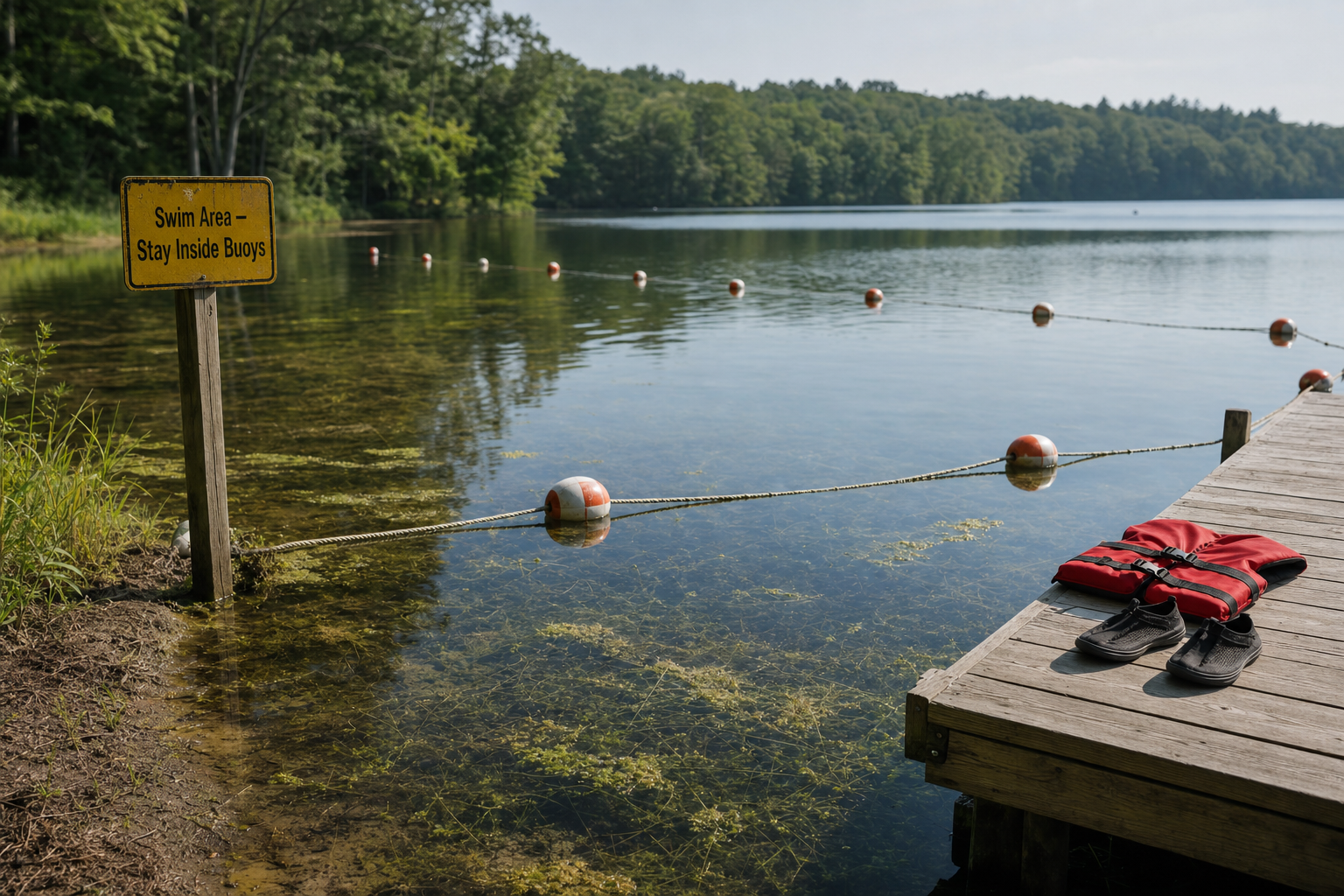
When you're swimming in a lake or river during peak season (May through September), the first thing your child should know isn’t how to float—it’s how to spot trouble under the surface. Dense weeds, submerged roots, and debris beds can entangle feet or fingers, triggering panic. Teaching children aged 7-12, with adult supervision and PFDs (personal flotation devices) where needed, how to stay calm, recognise hazards, and escape safely makes all the difference in reducing accidents and panics.
What Parents and Kids Must Know Before Going In
Spotting dangerous vegetation beds and debris
Lake weeds like hydrilla, Eurasian watermilfoil, and coontail tend to grow densely, sometimes just beneath the surface, and can catch on toes or ankles. Debris from nearby trees—branches, roots, even submerged logs—acts like a trap for feet. (Dense aquatic weed growth creates real entanglement risk especially in shallow or moderate depths.)(aquaticweed.org)
Water clarity matters: murky water hides these hazards. Also watch for algae blooms or water that looks green, slimy or scummy—those areas often coincide with weed beds and can host bacteria or toxins.(cdc.gov)
Open water hazards beyond weeds
Currents, drop-offs, uneven bottoms and cold water can all worsen a snag situation. A child stuck in weeds near a sudden drop or caught in cold water may panic more quickly.(safekids.org)
Signs and warnings around your swim area—posted flags, official boundaries in designated swim zones—often mark safer locations with fewer weeds or managed vegetation.(aquaticweed.org)
What to Teach Kids: How to Avoid Getting “Snagged”
On-shore training: reading the water
Before stepping in, walk the shoreline. Feel the ground with a foot: weedy, soft or muddy bottoms often begin with shallow water. Teach kids to notice water that looks “fuzzy” or strips of green floating around. Those mean danger. Set rules: “no walking in water until feet are visible.”
Clear swim zones help children see where it’s safer: patches with fewer weeds, manageable depth, preferably where markers or buoys show a maintained boundary.(aquaticweed.org)
What to do if feet or fingers do get caught
Stay calm first. Panicking causes thrashing, which tightens weed or debris. Teach children to float on their back or to use gentle kicks, pulling free while keeping toes pointed. If fingers get tangled, they should curl inward and gently twist or extend the arm slowly. Rigorous escape drills should only happen under adult supervision and not in deep water without a lifeguard.
If you want a structured way to help your child progress at home, the 10-Week Plan guides you step by step.
Using water shoes or aqua socks protects against cuts from rocks or roots—as well as reducing sudden jumps or slips when one step catches on weed.(vumc.org)
[[ctakid]]
Benefits: Why Kids Who Learn This React Better
Once a child learns how to spot lake weeds and debris, knows what to do if snagged, and understands swim area boundaries, their reactions shift: fewer panics, more calm, more likely to reach safety. A calm reaction—floating, signalling, gently removing weeds—is much safer than struggling, which uses energy and raises risk of slipping under or exhausting themselves.
Parents benefit too, with venue checks and exit strategies: checking for safe entry/exit spots, ensuring life jackets are present, mapping clear swim zones. Preparing these ahead means less fear and more trust in both directions.
Practical Tips for Parents: Venue Checks & Safe Exit Strategies
Before you swim
When choosing a lake, river or pond, look for cleared swim areas with managed weed growth. Check local water quality and bloom advisories. Always bring life jackets appropriate to your child’s weight and always fastened. Equip children with bright swim caps or gear for visibility.(doh.wa.gov)
Swimming lessons really help. Strong lessons build water skills and confidence. For example, following a structured program could be part of something like the “10-Week Plan” offered by swimy.org, which teaches open-water competence over several weeks, including safety drills, float-skills, and recognising hazards.
Exit plans & supervision
Always identify safe exits before entering the water: calm banks, clear stairs, no slippery algae. Never swim beyond your child’s reach, especially in murky or weed-filled areas. Use the “water watcher” approach—rotate who supervises so someone is always alert.(home.nps.gov)
Set clear rules with children: stay inside designated swim boundaries, float or call for help if something feels wrong; don’t dive in unfamiliar zones. If kids feel caught, teach them to lean back, pull away, call for help, but avoid sudden panic. In emergencies, use reach or throw methods rather than immediately diving in.
Seasonal and Seasonal Peak Factors (May-September)
Warm weather accelerates weed growth and algal blooms. Late summer water tends to be warmer on top but cooler below, making root beds and submerged vegetation more dense near the surface. Heavy rains in summer can change currents and drop-offs rapidly. Children are more likely to be at risk during humid, warm nights when weeds release organic material and visibility drops.
Key Takeaways for Safer Lake Weeds Swimming Safety
Kids swim safer when they learn to spot lake weeds and debris before entering water, know how to escape if feet or fingers snag, and only swim in designated, clear areas under supervision with life jackets and safe exit plans. Practising calm escape methods under adult supervision gives children tools to stay steady and react with control—not panic.
Keep these in mind whenever summer brings you to open water: teach what to look for, practice safe escape, plan exit points, assert clear rules, and choose swim spots carefully. With those in place, every child can meet lakes and rivers with courage and confidence.
120+ swimming exercises sorted by age — with video and instructions. Developed by swim instructors, completely free.

120+ swimming exercises sorted by age — with video and instructions. Developed by swim instructors, completely free.