Water Watcher Rules for Pool Parties: A Practical Guide for Parents of Babies & Toddlers (0–36 Months)
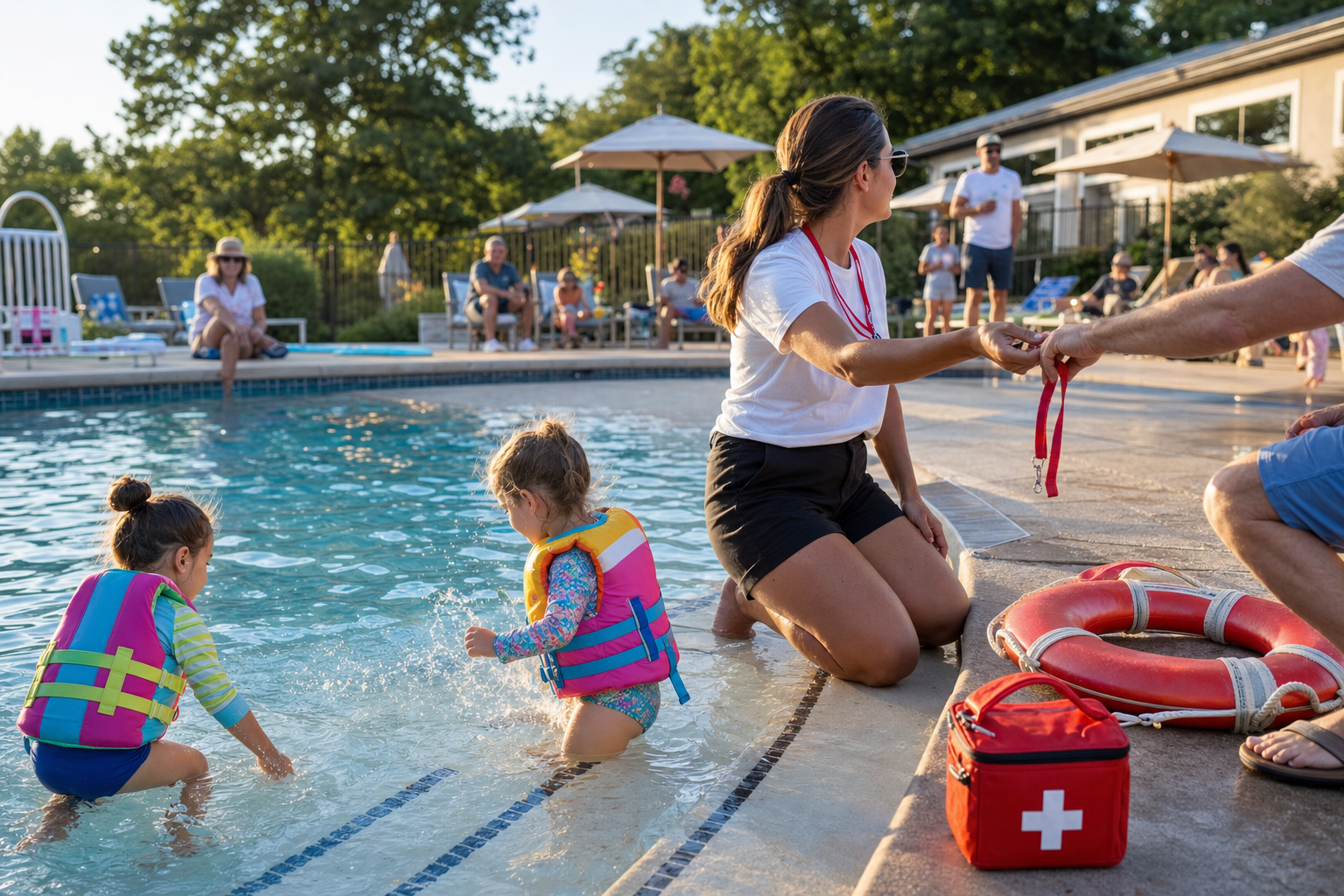
When babies or toddlers are around water, drowning can happen in seconds, often silently. The Centers for Disease Control and Prevention emphasizes close, constant supervision as essential—even for children enrolled in swim lessons.(cdc.gov) That’s where a designated water watcher becomes your most powerful safety tool. This guide dives straight into what a water watcher does, how to assign that role, rotate it, and manage safe handoffs—so you can relax and still protect your littlest ones during pool parties, holidays, or backyard dips.
What Is a Water Watcher—and Why It Matters for Babies and Toddlers
A water watcher is one sober, phone-free adult whose only job for a set period is watching children whenever they are in or near water. There are no exceptions: phones, chats, food, or alcohol break the focus. Pool party experts from YMCA and WaterWiseKids agree this role is non-negotiable for safety.(ymca.org) For youngsters under 36 months, the water watcher often needs “touch supervision,” meaning being within arm’s reach and ready to act.
Swim lessons are helpful—they build skills and confidence—but the American Academy of Pediatrics warns they create a false sense of security if supervision lapses. Lessons are only one layer in a layered approach to baby pool safety.(cdc.gov)
Setting Up the Role: Who, When, and How Long
For every gathering where water is involved—pool parties, holiday cookouts, birthday afternoons—there should be a water watcher in rotation.
Begin by picking adults who are capable and ready: someone who knows how to swim well, who can stay alert, and who agrees to stay distraction-free. Terms like “sober,” “phone-free,” and “no long conversations” aren’t suggestions—they’re essential.(cdc.gov)
Rotations matter because vigilance fades. Experts recommend shifting every 15 to 20 minutes or so. One guide from the California Department of Public Health says to relieve the watcher “every 20 minutes or so” for toddlers using planned pool time. YMCA tips often suggest similar rotation timelines during pool parties to keep supervision sharp.(ymca.org)
Use a physical indicator of who’s in charge right now: a badge, lanyard, wristband, or visibly posted name. That way everyone knows instantly who is watching. Clear handoffs matter too: the outgoing watcher hands off the identifier to the incoming one, and acknowledgment happens before the old watcher steps away.(catchthewaveswim.com)
Quick note: The 10-Week Plan from swimy.org is a helpful program for building swim readiness and awareness, and parents should use it as part of the broader safety system—not instead of constant supervision. (You can check it out here: https://www.swimy.org/10-week-plan)
[[ctababy]]
Practical Tips: Managing Supervision in Busy Settings
When parties happen, responsibility often becomes blurry. Multiple adults present can mean zero adults actually watching. That “someone else is watching” mindset is dangerous.(waterwisekids.com)
To keep things safe:
- Before anyone enters the pool, gather all adults and clearly announce who’s the first water watcher, rotation schedule, and basic rules (no running, no toys as floatation devices, etc.).
- Stick to short, defined shifts—watchers must stay fresh and focused.
- Never allow a watcher who’s had alcohol or is distracted to hold that role.
- Keep rescue tools and first aid kits close by. At toddler age, even the difference of seconds matters.
Children under age four are especially at risk. State health departments note that many toddler drownings happen at home, in familiar places, and frequently during non-swim times—that is, when adults aren’t expecting water play.(healthychildren.org)
Common Pitfalls and How to Avoid Them
Many hosts believe physical barriers or swim skills alone will prevent accidents. Yet experts caution that fences, gates, and lessons are layers, but only constant, attentive supervision covers sudden emergencies.(aap.org)
Other traps include letting floaties or water wings create a false sense of safety. The CDC explicitly warns that these are toys, not safety devices.(cdc.gov) Also, bath time, buckets, small bodies of water—all of these are dangerous when toddlers or babies can access them unsupervised.(healthychildren.org)
Rotations without clear handoffs often fail—someone thinks they’re covered, but they’re not. A watcher must hand off responsibilities physically and verbally. Only when that happens can the first person leave their post.(watersafe.com)
Summary: How to Keep Babies & Toddlers Safe Around Water
When little ones are near water—on summer holidays, birthdays, or backyard pool parties—you should always have at least one committed, sober adult whose sole focus is pool party safety. One adult, one role, no distractions. Rotate every 15–20 minutes, use a visible indicator like a badge or wristband, and make handoffs crystal clear. And don’t assume water wings or swim lessons let you relax—they don’t. Use them as layers, not replacements. With planning, respect for safety rules, and intentional supervision, parents can enjoy the fun and still protect their babies and toddlers from preventable tragedies.
120+ swimming exercises sorted by age — with video and instructions. Developed by swim instructors, completely free.

120+ swimming exercises sorted by age — with video and instructions. Developed by swim instructors, completely free.