Restart Swimming After a Long Break: A Guide for Parents of 6-36 Month-Olds
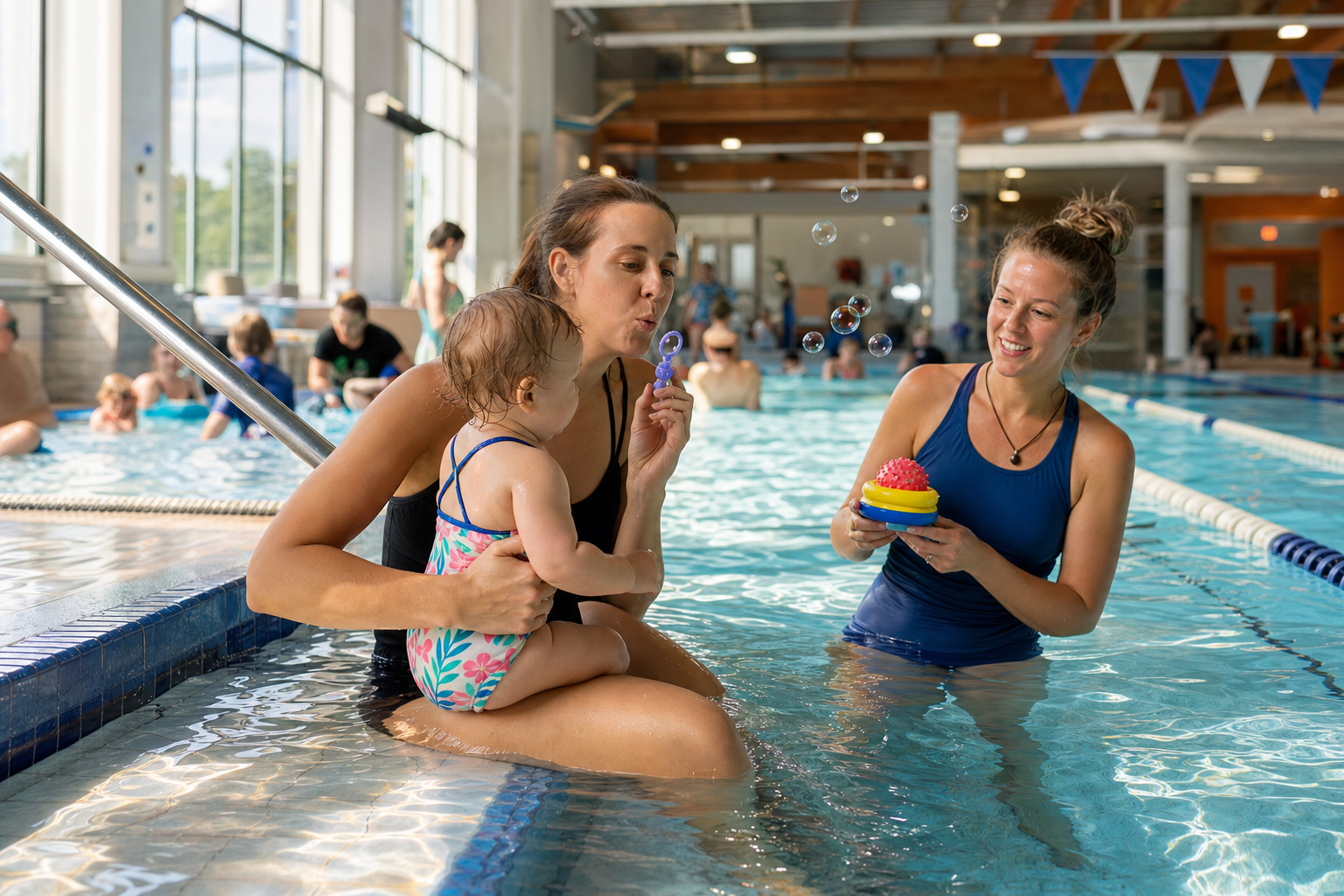
If you've skipped swim lessons all winter, taken time off because of illness, moved house, or had a bad lesson experience, you might feel anxious about restarting. It’s totally normal for babies and toddlers to lose confidence or skills — and it doesn’t mean they’re being “defiant.” Let’s dive right into what you can do to reset expectations, rebuild comfort, and spot whether time to ease up first.
Slow Re-entry: First Sessions and Safety
When you return after any long break—whether it’s from illness, vacation, or just winter indoors—expect some regression in comfort and ability. During those first sessions, stay at arm’s reach, assist everything, and treat hesitation or clinginess as a sign to slow down, not discipline. Puppies learning to walk don’t expect full speed on day one; for toddlers, exactly the same principle applies. Safety comes first. Always holding your child, being there to catch, support, soothe, and celebrate even tiny efforts sets a foundation for confidence.
Resetting Expectations: What Often Looks Like Defiance
When toddlers suddenly resist putting their face in the water, floating, or practicing skills they once did, it likely isn’t misbehavior—or “toddler forgot swimming”—but normal regression. Skills like breath control, floating, kicking, or being comfortable getting wet are fragile in young kids and take regular repetition to stay steady. Emotional safety matters just as much as physical. If you expected them to jump right back into more advanced drills, you’ll both feel frustrated. Instead, reset what success looks like: maybe today’s goal is just relaxing in the water or trusting you enough to play again.
Easing Into Practice: Tools and Tips
Begin with gentle, parent-led water time. Even outside lessons, bathroom play, wading, blowing bubbles, familiar songs, and letting toddlers see or touch pool surfaces can bridge the gap. For formal lessons, ask instructors to start with familiar routines and comfort skills before jumping into challenging work. Some programs offer refresher modules designed for families restarting after breaks; these emphasize reclaiming lost habits slowly. Something like the 10-Week Plan by swimy.org gently builds skill and comfort over time in scheduled sessions, perfect for resetting without pressure. That helps avoid the pitfall of pushing into tasks the child isn’t ready for yet.
If you want a structured way to build water confidence at home, the 10-Week Plan guides you step by step.
How To Spot If It’s Time for Easier Activities
Watch closely for signs your child isn’t quite ready to resume their old level. If they:
- Resist entry to the pool, hold back tears, or stiffen their body
- Avoid putting face or eyes in water when they used to
- Need constant physical support where they used to be more independent
- Tire easily, even from easy tasks
[[ctababy]]
These are cues to scale down. Switch back to assisted floats, more splash and play, shorter sessions, or parental re-engagement before progressing again. Rebuilding comfort here often smooths the way for progress later.
Seasonal Timing: Why Spring, Post-Holiday & Back-to-School Matter
Spring or after winter is ideal timing because kids are ready to be outdoors more, but climates are still mild, and public pools often offer new lessons or make-ups. After holidays, when schedules settle (or vacations wrap up), it’s a good moment to get back into routine. Likewise, post-illness or vaccine side effects, once symptoms have cleared, are moments when easing back makes the most sense. The goal is to restart at low stress and build consistency, rather than pushing fast.
Consistency Over Performance
Doing swim lessons consistently — even if it’s once per week with reinforcement at home — matters more than pushing for big leaps. Research from swim lesson experts shows that regular lessons reduce skill regression and shrink setbacks in confidence (bluedolphinswimschool.com). A solid routine allows toddlers to feel safe, gradually trust their strength, and regain lost abilities. Home practice or playful water exposure helps, too. When lessons dip into unpredictable or infrequent attendance, regression tends to deepen; progress becomes harder.
Realistic Progress: What to Expect
Physically, you might see loss of endurance, floating ease, breath control, or balance. Emotionally, you may notice clinginess or fear of letting go. But remember, even after breaks, toddlers often retain muscle memory and retain many skills—they simply need time to recall them. In many programs, going back through earlier stages (with help, float work, or modified expectations) allows skills to rebuild naturally. It’s like re-learning a language you once spoke. Steady exposure, fun, and positive reinforcement will help restore progress.
Final Thoughts: What Parents Can Do Now
Be present, patient, and flexible. Adjust goals to match today’s comfort, not last year’s milestone. Celebrate brave moments: getting wet, trying a float, blowing bubbles again. Communicate with instructors so they understand your child’s recent break and emotional state. And always stay in control of pacing. A toddler who seems to refuse or fear water after regression isn’t being stubborn—they’re doing exactly what their body or heart needs. With love, support, and play, their swim journey resumes beautifully.
120+ swimming exercises sorted by age — with video and instructions. Developed by swim instructors, completely free.

120+ swimming exercises sorted by age — with video and instructions. Developed by swim instructors, completely free.