Best Kids Swim Goggles Fit: Clearer, Leak‑Free Swims for Ages 3–12
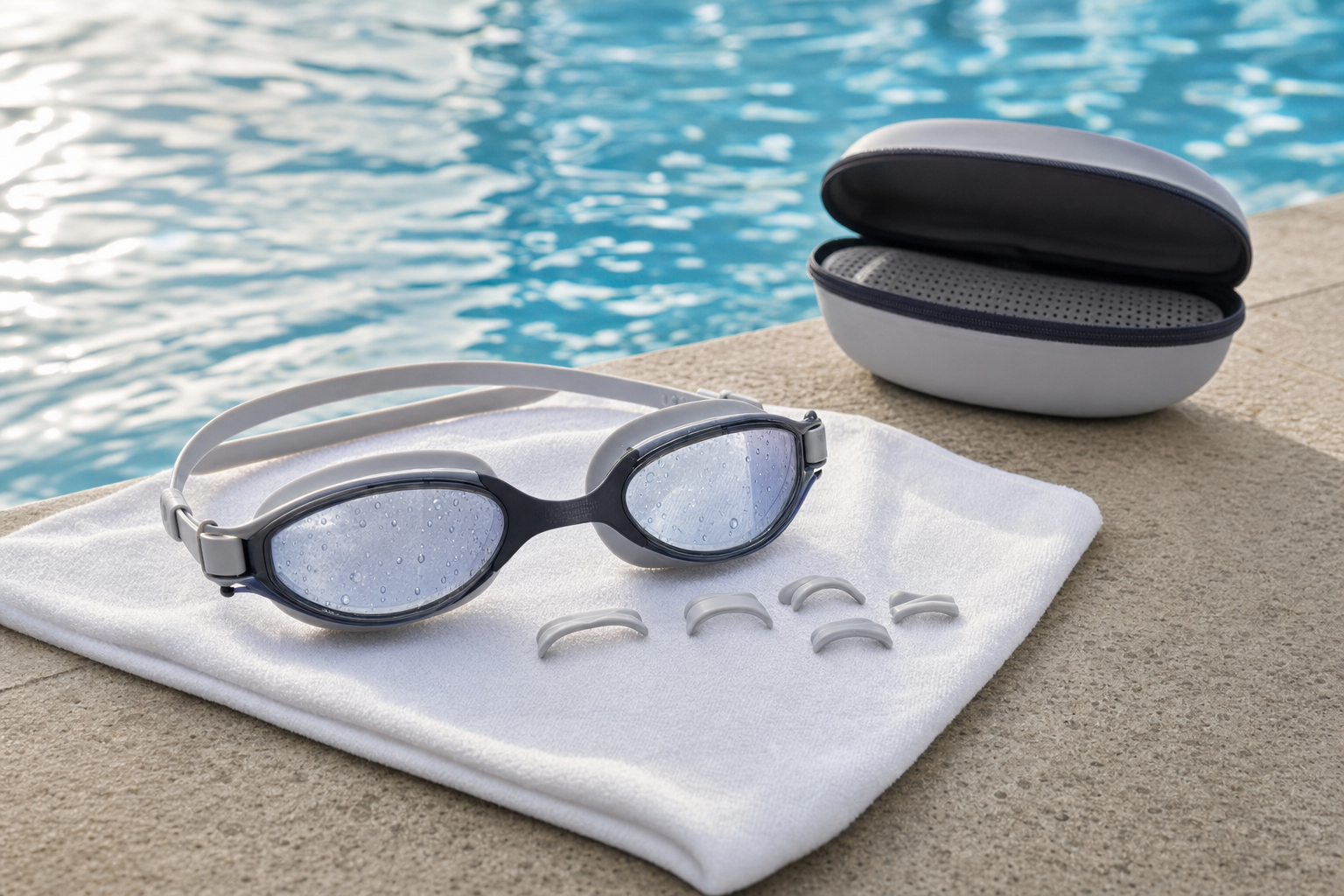
If your child’s goggles leak or fog all the time, you’re not alone. Choosing anti-fog goggles for children that fit small faces and sensitive skin is a game changer. With the right nose‐bridge tweaks, strap rules, and caring routines, kids can finally enjoy calm, clear swims—and parents can enjoy watching without constant adjustments. Here’s what to prioritize and how to get it just right.
What Makes Goggles Stay On: Fit Tricks for Small Faces
Goggles leak when they don’t match the shape of the face. For small faces (roughly ages 3-12), opt for goggles labelled junior, youth, or small fit rather than tiny adult masks. These will have narrower frames, smaller eye cups, and gaskets that rest around the eye without pinching. (chasethewater.com)
Before tightening anything, do the quick suction test: press the dry eye cups gently onto clean skin (with strap off). If they stay for about three seconds, just from suction alone, you’ve got the right shape and size. If they pop off immediately, it’s either the frame is too large or the nose bridge is wrong. (usdivers.com)
The nose-bridge matters a lot. Many kid goggles come with adjustable or replaceable nose bridges in multiple sizes. Choose one that matches the distance between your child’s eyes. If it’s adjustable, test with different widths to avoid water in the inner corners or pressure on the nose. (wisebabychoices.com)
Straps should rest high on the crown—not low near the nape. Use a split strap style made of soft silicone to distribute pressure evenly and reduce pulling on hair or skin. It’s easy to overtighten straps hoping to stop leaks—but that causes discomfort and actually worsens leaks because the gasket can get distorted. (wisebabychoices.com)
Anti-Fog Coating & Care: Keep Vision Clear
Fog is the silent frustration. All good kids’ goggles should come with anti-fog coatings and UV protection, especially important for outdoor swims. Some goggles even have mirrored or smoked lenses to reduce glare. (swimoutlet.com)
Never rub or wipe the inside of the lenses—that’s how you remove or damage the anti-fog layer. Instead, rinse lenses under clean, lukewarm water after each swim, shake off excess water gently, and let them air-dry out of direct sunlight. Store in a hard case or breathable pouch to avoid scratches. (goodhousekeeping.com)
It helps to prime goggles before use: wet both face and goggles before strapping them on. When temperature between skin and lens is closer (especially for indoor pools), fog tends to happen less. (goodhousekeeping.com)
If you want a structured way to help your child progress at home, the 10-Week Plan guides you step by step.
Sensitive Skin & Durable Materials: What to Seek
Kids with sensitive skin need goggles built from hypoallergenic materials. Soft silicone seals and PVC-free, latex-free frames are less likely to cause irritation. Avoid gaskets that press or leave deep marks around the eyes. Comfort equals fewer tears and fewer ripped-off goggles. (wisebabychoices.com)
[[ctakid]]
Frames should be lightweight. Bulky goggles might look “cool,” but they can put pressure on cheeks or temples, especially during long swim lessons. Lens height (how tall the lens is from top to bottom) should be modest—smaller lens height helps maintain a good seal around cheekbones. (chasethewater.com)
Prescription Options: Clarity for Strong Rx
For kids who wear glasses or contacts, there are prescription swim goggles and step-diopter optical lenses designed in junior sizes. These allow for correction of myopia or hyperopia (farsightedness) without risking contacts in chlorinated water. (swimoutlet.com)
If your child has strong or uneven prescriptions (especially astigmatism), standard step-diopters may not fully correct vision. In such cases look for custom-ground prescription goggles made in optical labs. These can handle higher prescription values and more complex visual corrections. (swimoutlet.com)
An example: the Speedo Jr. Vanquisher 3.0 Optical Prescription Swim Goggles come with multiple prescription lens options, interchangeable nose bridges, and cushioned gaskets for both clear vision and a leak-resistant fit.
Quick Fit Checklist: Get It Right Each Time
-
Do the suction test before using straps. Press eye cups against eyes for three seconds.
-
With strap off, ensure nose bridge fits—use adjustable or replaceable kinds.
-
Once strap is on, it should be just tight enough to hold, not press. Check under the cap too.
-
Smile, move head side to side. Seal should hold without gaps or discomfort.
-
Do a small dip (or imitate) to test for leaks—don’t wait for the first pool session!
Before you go hunting gear, blend this advice with tips from trusted swim programs such as the 10-Week Plan by SwimY, which helps parents teach their children to swim themselves. Letting kids be confident in the water helps them keep goggles on longer. (snappygoggles.com)
Common Pitfalls & How to Avoid Them
Buying adult frames for juniors seems easier or cheaper—but they almost never seal properly on smaller faces or sensitive skin. Choose junior or kid-specific frames. Overtightening straps promises a tight seal but leads to discomfort and leaks. Wrapping the strap too low on the head or using rigid nose bridges causes pressure marks. Avoid wiping the anti-fog coating; try to keep that intact with rinsing.
Final Word
Kids swim goggles that don’t leak or fog are all about proper fit, gentler materials, and caring for them well. Start with junior-sized or youth fittings, test suction, adjust the nose bridge, and always guard that anti-fog coating. If vision correction is needed, explore prescription or custom options. Follow these steps and your child’s swims will be clearer, calmer—and tear-free.
120+ swimming exercises sorted by age — with video and instructions. Developed by swim instructors, completely free.

120+ swimming exercises sorted by age — with video and instructions. Developed by swim instructors, completely free.