Lightning and Pools: The 30-Minute Wait Rule Every Parent Needs to Know
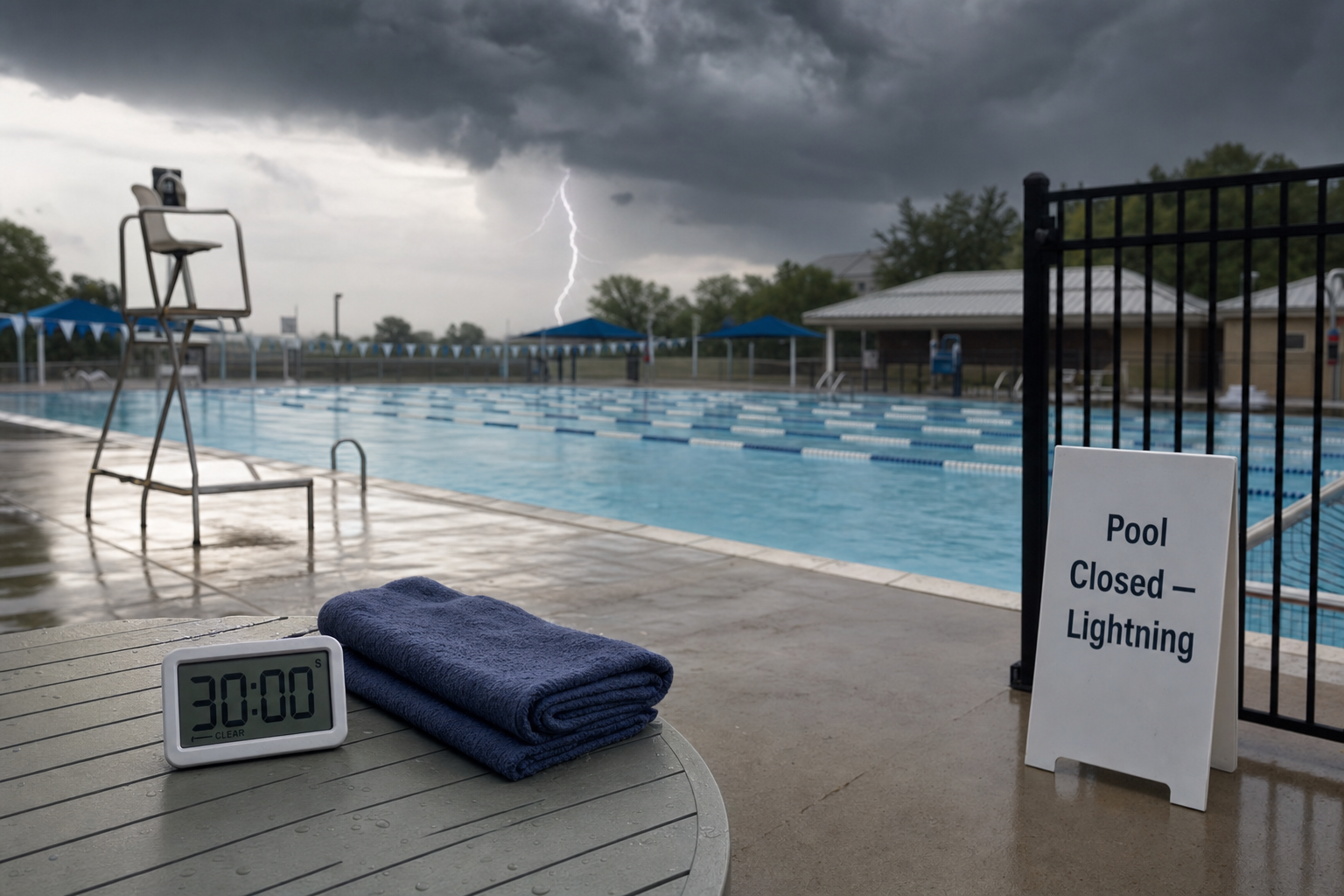
When thunder speaks, swimming stops—and not just for a minute or two. If children hear thunder or see lightning while using the pool or deck, everyone must get inside immediately. The accepted safety standard is the 30-30 lightning rule: once you see lightning, count the seconds until you hear thunder. If it's 30 seconds or less, you are close enough to be struck. Seek shelter. More importantly, wait at least 30 minutes after the last clap of thunder before returning outdoors. This is crucial for school-age children (ages 3–12) during summer storms. Heavy storms can produce delayed strikes; lightning isn’t done until it’s really done. Multiple experts and agencies confirm this rule, stressing “stay in safe shelter for at least 30 minutes after the last sound of thunder.”
Why “Thunder = Time to Exit” Isn’t Just a Catch-Phrase
It might sound dramatic, but the link between thunder and lightning is direct: you can’t hear thunder without lightning—even if the bolt is hidden by rain. Any time thunder is heard, lightning is close enough to cause danger. National bodies like NOAA advise that if you hear thunder, seek a safe indoor place right away.
Once inside, risks persist. Avoid plumbing, avoid wired electronics, stay away from windows, doors, porches, and concrete floors. At home or in any building, internal systems like water pipes, sinks, wires, metal siding—all can carry electricity during a storm. The CDC explicitly warns against taking showers or touching plumbing during active thunder. (cdc.gov) So yes: even being indoors doesn’t mean you can carry on as usual.
Pool Lightning Rules: What Parents Should Do
Pool and Deck Safety
Swimming pools, pool decks, lakes, and open water are high risk during lightning storms. Go indoors at the first sound of thunder, even if the skies look bright, and don’t ever argue for “one more minute” of play. The threat is real. All persons in or near water are vulnerable. Lifeguards and coaches follow guidance like “Clear everyone from the water at the first sound of thunder or first sight of lightning.” (redcross.org)
Indoor Pools and False Assumptions
Some people assume that indoor pools are always safe during storms. That’s not true. Indoor pools often still have essential equipment running—pumps, lights, filtration systems—and though they may seem insulated, their metal fixtures and water itself can conduct electricity. If thunder is audible, treat indoor swimming just like outdoor: get everyone out until 30 minutes have passed without thunder.
If you want a structured way to help your child progress at home, the 10-Week Plan guides you step by step.
After a Lesson or Meet
Parents organizing lessons or swim meets need a simple “parent script” to keep everyone safe. A clear announcement might be: “If thunder roars, go indoors. We wait 30 minutes after the last thunderclap before swimming resumes.” Also explain why: water and metal conduct electricity; lightning strikes are unpredictable and can happen even after the heavy rain has passed. Using a plan like that in swimy.org’s 10-Week Plan helps teach children safety routines early on—so by the time they’re in lessons or meets, they know exactly what “thunder = time to exit” means. (dem.fiu.edu)
[[ctakid]]
Common Pitfalls and Parent Traps
Waiting less than 30 minutes is risky. Even when thunder seems to stop, lightning can still occur miles away. That’s why “just a little longer” is dangerous. Reactivate activities too soon and you’re gambling with safety.
Another pitfall: assuming safety because the storm seems far away or indoors. Even if the foggy rain hides the sky or you can’t see the storm cloud, thunder is enough warning. Indoor pools and metal structures aren’t shields.
Also, using electronics or plumbing indoors during active lightning is risky. You might think unplugging everything or avoiding metal isn’t necessary—but reports show that even household plumbing and corded devices are conduits for electric surge during storms. (cdc.gov)
Actionable Steps Parents Can Take
Educate children in advance that “Thunder = Time to Exit.” Practice drills at home or at swim clubs so everyone knows what to do.
Always have reliable shelter close by—ideally a substantial building or fully enclosed vehicle. Backyard cabanas, open-sided shelters, or tents don’t count.
When thunder starts, clear the pool immediately. Everyone goes indoors. Begin counting 30 minutes after the last thunderclap. Use a timer or app to avoid guessing.
During that time indoors, avoid using showers, avoid sinks and plumbing, don’t use wired electronics like corded phones or plugged-in devices.
Once 30 minutes have passed with no thunder and no lightning seen, check weather updates from a trusted source (NOAA, local weather services). If it’s safe, then children can return to the pool.
Why This Rule Saves Lives
Lightning fatalities remain among the top storm-related casualties in the U.S. every year. The science is simple: lightning doesn’t always stay above-the-clouds, and its energy uses water and metal to reach you. Every year people in parks, at beaches, or even inside small structures during thunderstorms are injured because they didn’t respect the time rule. (dem.fiu.edu)
By teaching children aged 3-12 that thunder signals immediate shelter and that nothing restarts until the rule is satisfied, you prevent the small but serious risk of lightning strikes—both direct and indirect.
Listening to thunder is a warning. Waiting 30 minutes is your shield. That's the 30-30 lightning safety rule, plain and simple. Parents, coaches, and kids all follow it: when thunder claps, we exit—then we don’t return until 30 after the last clap. Build habits, stay safe, and enjoy more summer pool days without frightening close calls.
120+ swimming exercises sorted by age — with video and instructions. Developed by swim instructors, completely free.

120+ swimming exercises sorted by age — with video and instructions. Developed by swim instructors, completely free.