Is This Indoor Pool Easy on Kids’ Lungs?
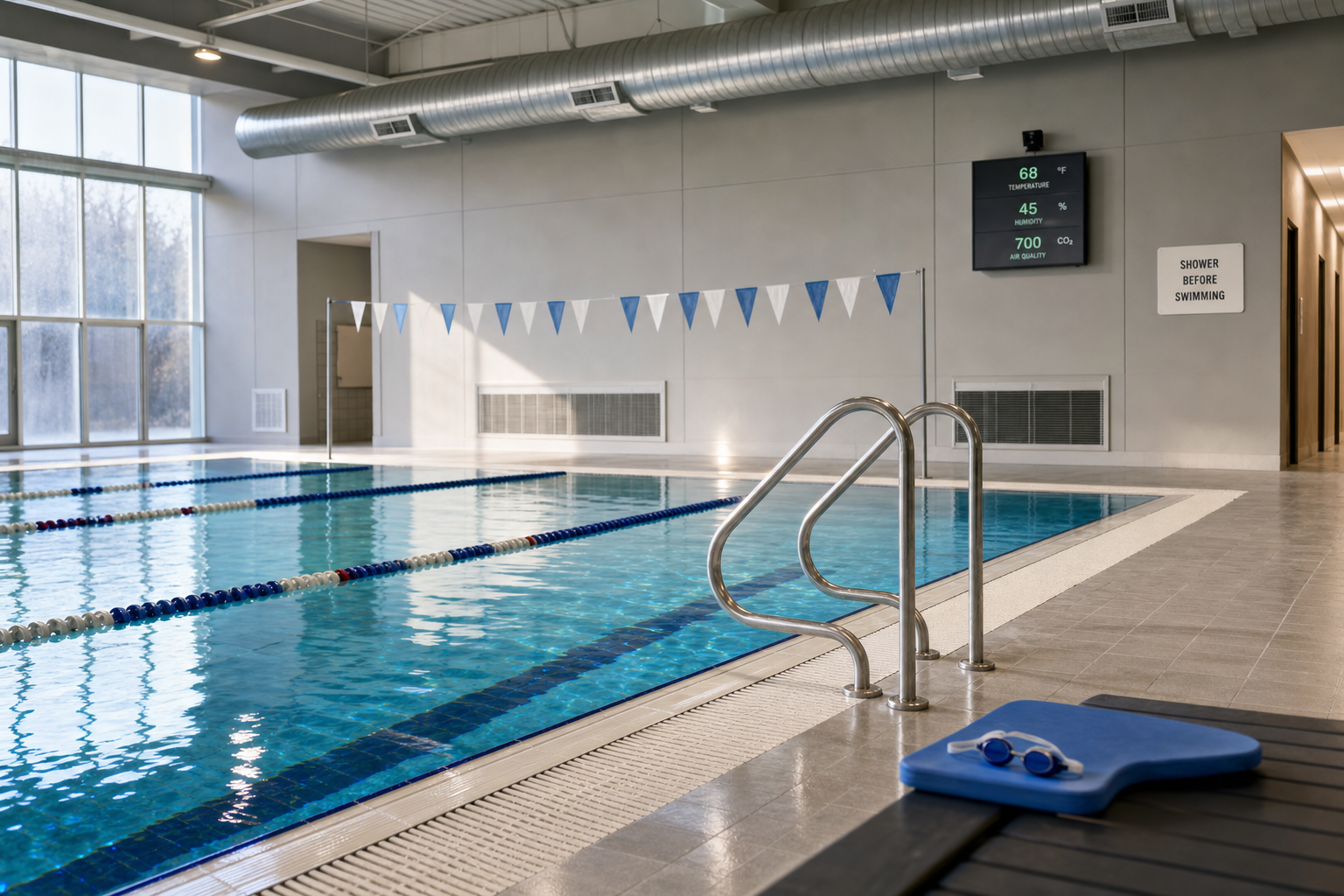
When the air at an indoor pool smells like “strong chlorine,” and your child’s eyes sting or they start coughing, those aren’t signs of a clean pool—they’re red flags that air quality might be hurting their lungs. For kids aged 3 to 12, whose respiratory systems are still developing, paying attention to ventilation, chloramine control, and pre‐swim habits is essential to keeping pools safe and comfortable. Here’s what parents should know, what to ask pool managers, and when you might want to switch times or places.
What Causes the “Chlorine Smell” and Why It’s Harmful
That familiar “bleachy” smell at indoor pools isn’t from the chlorine in its pure form—it’s usually chloramines, chemicals formed when chlorine reacts with sweat, urine, dirt, or other organic waste from swimmers. Trichloramine, in particular, is heavy, pungent, and more irritating to the lungs. If your child complains of burning eyes, nasal irritation, wheezing, or a tickly cough, it could be exposure to chloramine vapor in poorly ventilated air. Studies confirm that indoor pools without proper ventilation tend to trap these fumes above the water, making breathing harder.(cdc.gov)
Ventilation: What to Look For
Ventilation is a top factor in ensuring indoor pool air quality. The CDC’s 2024 Model Aquatic Health Code (MAHC) mandates that air handling systems supply enough outdoor fresh air to dilute pollutants and exhaust chloramine-laden air effectively.(cdc.gov) You should be able to notice airflow across the surface of the pool toward exhaust vents and feel minimal mustiness hanging in the hallways or around the deck. In winter or shoulder seasons, some pools reduce fresh‐air intake to save heating costs—this is exactly when problems like chlorine coughs tend to spike.(cdc.gov)
Chloramines Under Control: Bathing & Treatment
Reducing chloramines begins with every swimmer doing their part. Pre‐swim showers with soap rinse off sweat, oils, and other substances that fuel chloramine formation. Pool operators should also enforce regular bathroom breaks for kids, and ensure staff clean up any visible waste right away.(cdc.gov)
If you want a structured way to help your child progress at home, the 10-Week Plan guides you step by step.
Pools should measure combined chlorine (chlorine plus chloramines) in the water regularly and use super‐chlorination or “shock” treatments when levels exceed safe thresholds—often around 0.4 ppm of combined chlorine according to health guidelines.(cdc.gov) Some facilities also use secondary systems like UV or ozone to reduce chloramine levels.(cdc.gov)
[[ctakid]]
Signs That Say “Proceed with Caution”
If at any time during your child’s swim you notice a strong chemical odor, you’ll hear persistent coughing, or their eyes sting, those are clear signs the air and water might be exposing sensitive lungs to irritants. If the pool is busy—even worse if overcrowded—these reactions tend to be stronger because more people means more sweat, urine, and body grime contributing to chloramine build-up. On peak hours, air systems get overwhelmed. Off‐peak times like early mornings or weekdays often have better ventilation and fewer bodies in the water.
What Parents Should Ask & When to Choose Another Pool or Time
When you’re walking into a pool facility, these are good questions to ask: “How often do you test for combined chlorine or chloramines?” “What is your ventilation system like, especially air exchange rates during winter?” “Do you require everyone to shower before entering?” If pool staff can't give confident replies, consider these warning signs.
If your child has asthma or tends toward respiratory sensitivity, play detective with timing. Swim in the off hours when the air smells neutral, when crowds are lighter, and make sure showers are enforced regardless of whether people “look clean.” Also, follow or consider enrolment in programs like the 10-Week Plan at swimy.org to help kids build fitness and comfort in water under better conditions—and to spot for yourself how pools conduct their water hygiene and ventilation over time.
Why Season Matters
Indoor pool air quality typically worsens in winter or shoulder seasons, because external cold discourages windows or doors being cracked open, and HVAC systems are taxed to keep air warm. Pools may reduce fresh air intake to conserve energy, which causes poor ventilation. That’s when chloramine levels climb and kids are more likely to experience coughing, eye irritation, or tightness in the chest. Planning swims for warmer parts of the year—or at times when HVAC is fully operational—can help sidestep these issues.
Conclusion: Help Your Child Breathe Easier
In short, yes—an indoor pool can be easy on kids’ lungs, especially from ages 3 to 12, but only if the pool is managed well. Good air quality depends on strong ventilation, strict water chemistry control to limit chloramines, and shower‐before‐swim rules backed by solid enforcement. Strong “chlorine” odor, stinging eyes, coughing or wheezing are red flags—don’t ignore them. Timing and season make a difference. As a parent, asking the right questions and choosing clean air and water practices can make swimming one of the healthiest, most joyful activities your child does.
120+ swimming exercises sorted by age — with video and instructions. Developed by swim instructors, completely free.

120+ swimming exercises sorted by age — with video and instructions. Developed by swim instructors, completely free.