Swim Diapers Without the Guesswork: A Clear, No-Fluff Guide for Parents of Babies & Toddlers
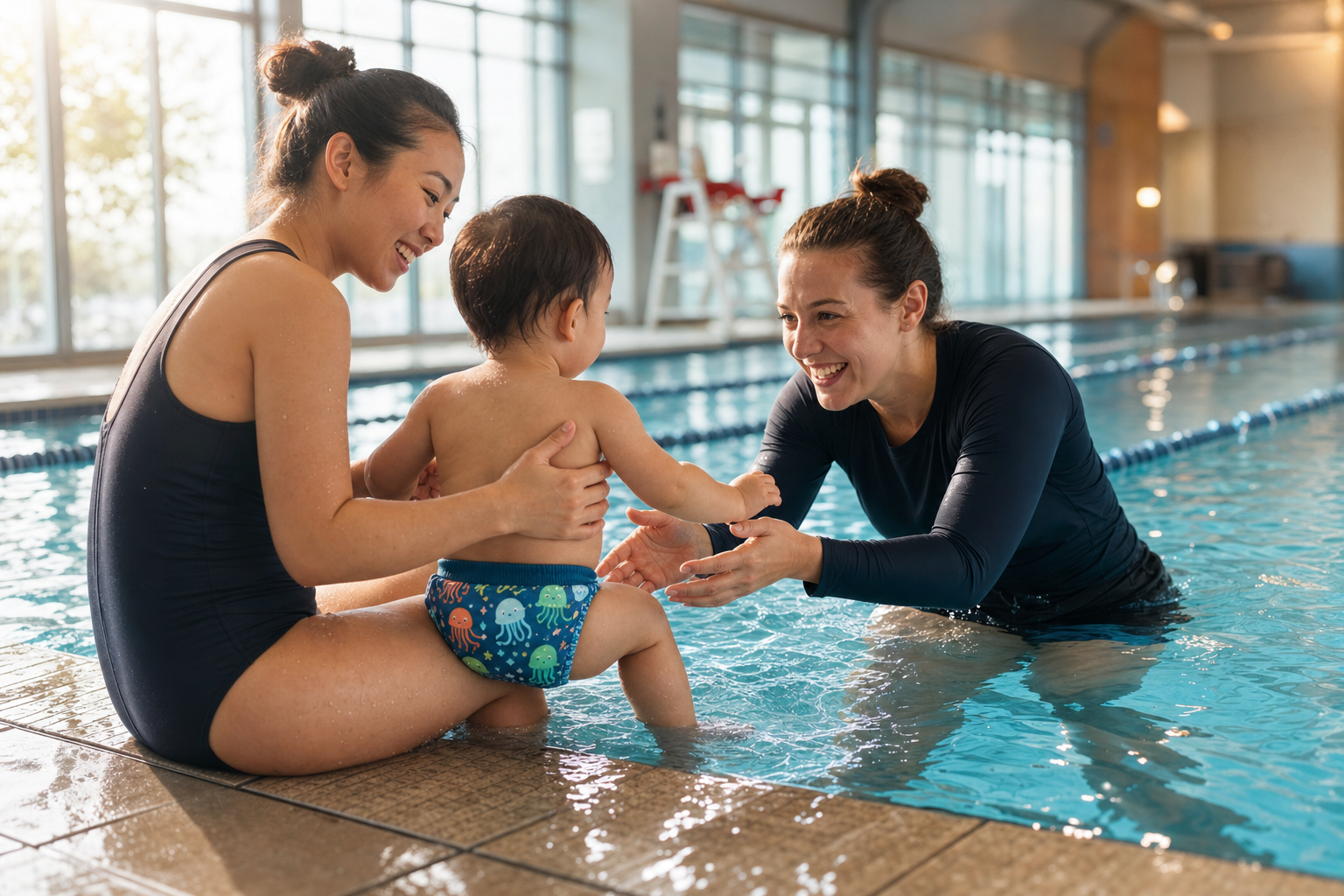
Here’s everything you need to know about best swim diapers for babies, with no fluff—just facts and tips to get your child’s swim time smooth, dry (mostly!), and interruption-free.
What Swim Diapers Can—and Can’t—Contain
Swim diapers are built to do one thing really well: contain solid waste. According to SwimOutlet, they’re non-absorbent—no super-absorbent polymers like in regular diapers—so water and urine pass right through.(swimoutlet.com) That’s why they don’t hold pee. Burns from leaks? They’re inevitable if the diaper isn’t changed promptly.(us.splashabout.com)
If your child has diarrhea, even the best swim diaper won’t prevent contamination from germs like Cryptosporidium, which can survive in chlorinated water for days. The CDC insists: stay out of the pool until symptoms are completely gone.(cdc.gov) Changing frequently and checking every 30-60 minutes helps avoid problems.(cdc.gov)
Takeaway: Swim diapers = solid waste. Pee? Think of it like being bare underwater. Use regular diapers for dry time, and always follow pool hygiene rules.
Reusable vs Disposable Swim Diapers: Which Is Right?
Both kinds have pros and cons. It’s about matching them to your child’s age, swim frequency, and how much cleanup you’re willing to do.
- Reusables are like little swimsuits. They have soft, often stretchy fabric, adjustable features like snaps or velcro, and can last a whole swim season (or more). Great for frequent swim classes. They cost more up front and need washing, but are kinder to the environment.(swimmerliving.com)
- Disposables are single-use swim diapers. Super handy for vacations or pool days when laundry isn’t an option. They tend to be thinner, less adjustable, and not as durable.(swimoutlet.com)
A “hybrid” approach works well for many: reusables for regular swimming lessons, disposables as backups or when traveling.(reusebabydiapers.com)
Sizing That Actually Fits
Getting the size right matters more than you think. Swim diapers that are too small won’t seal properly, and ones that are too large will let solids slip out.(swimoutlet.com)
Most brands use weight first, age second. For instance, Small (S) often fits babies around 13-20 lb, Medium (M) 20-32 lb, Large (L) for toddlers 2-3 years.(swimoutlet.com) Leg and waist elastics should be snug; you should just fit about two fingers under the waist without leaving large gaps.(swimoutlet.com) Once you see red marks or leaks, it’s time to size up.(swimmerliving.com)
If you want a structured way to build water confidence at home, the 10-Week Plan guides you step by step.
Double-Layer & Pool Policies
Many swim schools and public pools across the US, UK, and Australia require two layers for non-potty-trained children: a swim diaper (disposable or reusable) plus a tight swim bottom or waterproof cover.(swimoutlet.com) If you try putting a regular diaper under a swim diaper, it won’t help—in fact, that regular diaper will soak up water, swell, and can fall apart.(swimoutlet.com)
[[ctababy]]
Check the rule before your lesson: some pools supply covers or tightly fitted pants; others expect you to bring your own. Confirm what “double layer” means at your facility.(swimoutlet.com)
Changing Routines That Save Lessons
You want fewer interruptions. Here’s a solid plan:
Dress your child in the swim diaper in a changing room, not on the pool deck, especially before entering the water.(swimoutlet.com) Check every 30-60 minutes. If you smell or see poop, get out immediately. If just urine or wetness, it can wait until the next scheduled break. Always change in a restroom/changing area—not poolside. Helps hygiene and keeps germs off decks and splash zones.(swimoutlet.com) Wash hands well after each change. Use small sealed bags for disposables; rinse reusables and wash per label, gentle cycle, air dry.(swimoutlet.com)
Natural little tip: always carry extras—swim diaper, cover, regular diaper, maybe a spare suit. When lessons are full-tilt, no one wants to run home for forgotten gear.
Safety Caveats & Pool Hygiene: Rules Every Parent Should Know
- Swim diapers are not a lifesaving device. They won’t prevent drowning. Keep your child within arm’s reach in the water.
- Fit is crucial. Leg and waist elastics must be snug but not cutting in. Regular checks and replacing worn out gear are musts.(swimoutlet.com)
- If your child has had diarrhea in the past two weeks, they should stay out of public swimming—regardless of what diaper they wear.
- Most pools ban regular diapers in the water. They swell, get heavy, and can’t keep solids contained. Never layer them with any other diaper in water.(swimoutlet.com)
Safety also includes respecting pool policies: cover waste, changing only in proper areas, wear approved swim gear, clean hands and suit. These help protect your child, other swimmers, and avoid pool closures.
Let’s wrap it up with the highlights:
Swim diapers are all about containing solids, not pee. Choose reusable if you swim often; grab disposables as emergency backups. Size by weight, double up if your facility demands it, schedule regular changes, and always change away from the pool deck. If you follow those rules, you’ll avoid mid-lesson leaks, nasty pool shut-downs, and parents’ regrets.
And if swim classes are part of your plan, check out swimy.org’s helpful 10-Week Plan to teach your child to swim confidently.(swimoutlet.com)
120+ swimming exercises sorted by age — with video and instructions. Developed by swim instructors, completely free.

120+ swimming exercises sorted by age — with video and instructions. Developed by swim instructors, completely free.