No-Dunk Boundaries with Swim Instructors: What Parents Should Know (4–36 Months)
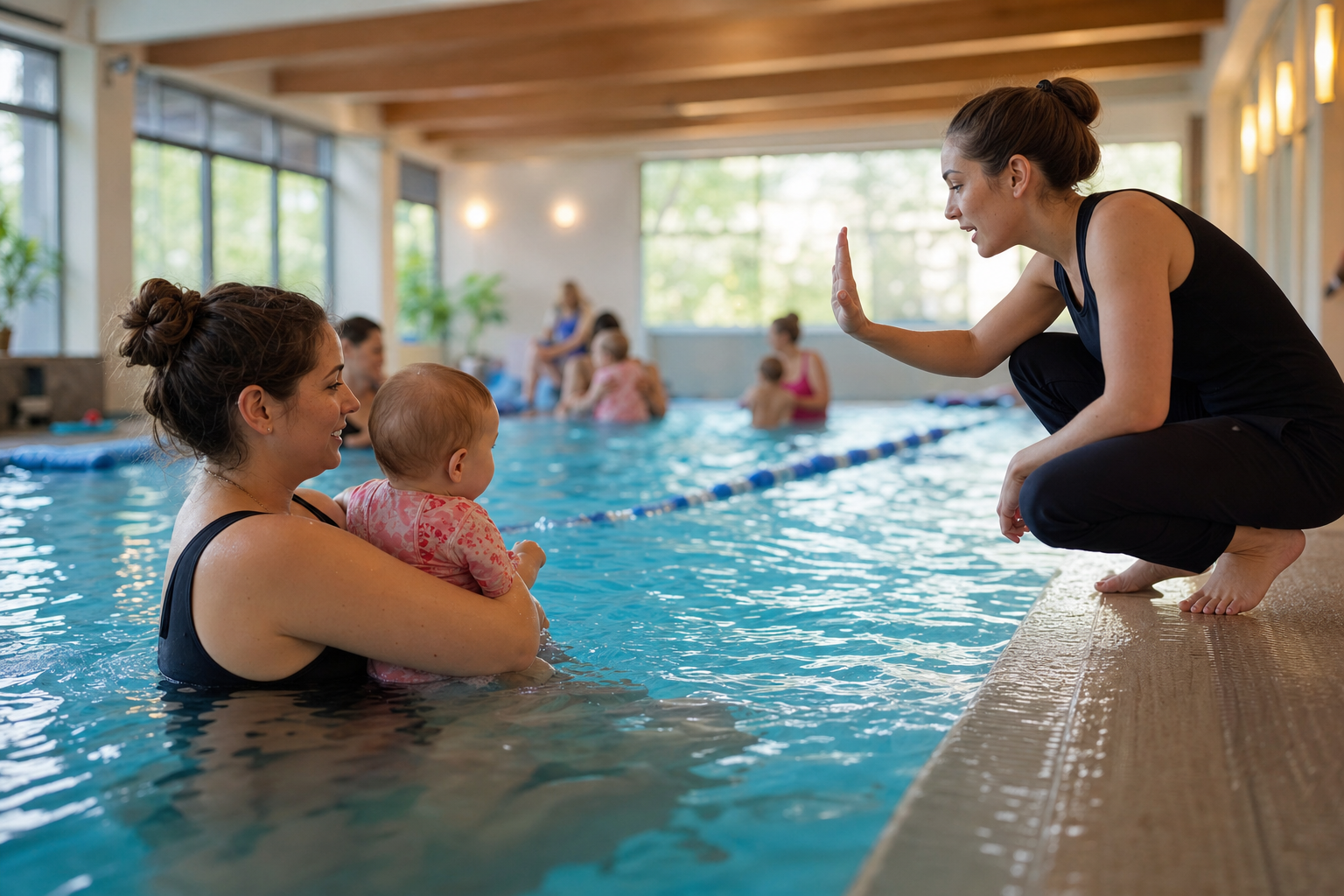
You don’t have to accept “just trust the instructor and you’ll get used to it” when it comes to baby swim lessons—especially when it feels like your child is being forced underwater. Many parents report serious concerns around baby swim lessons dunking and want clear, respectful ways to talk about it. This article dives into what safe infant swim classes should look like, how to set boundaries around consent and submersion, and scripts you can use before the first swim.
What Is and Isn’t Safe: Know the Red Flags
In high-quality infant swim programs, instructors should move slowly and always follow what your child tells them through behavior. The United States Swim School Association (USSSA) guidelines state that for babies over 6 months, when submersion is first introduced, it should be very brief (about three seconds), very few times (no more than six submersions per lesson), and always tied to signs of readiness.(usswimschools.org) Programs should never force repeated or long underwater holds, especially in the first year.(usswimschools.org)
The American Academy of Pediatrics (AAP) recently reaffirmed that while early swim lessons may reduce drowning risk for ages 1-4, there is still no strong evidence that infant survival or submersion-reliant programs benefit babies under 12 months and that these may give parents a false sense of security.(publications.aap.org)
Watch for these concerning signs: prolonged crying, gasping/coughing, coughing up water, pushing away or clinging to caregiver, instructor keeping pressure to succeed rather than focus on trust and comfort.(reddit.com)
Why Trust, Predictability, and Consent Matter
Children aged 4 to 36 months rely heavily on trust and a sense of control to feel safe. If instructors push them into infant swim class dunking without gradual preparation, children often learn fear instead of water confidence.
Parents benefit when the instructor explains what to expect before class: cues used, stopping points, what counts as “passing” or moving forward, how much underwater activity. Feeling like you’re being heard helps you advocate for your child—and prevents feeling undermined.
What to Ask Before Class: Key Questions & Stopping Points
When you visit a swim school or before your baby’s first session, here are things to clarify:
If you want a structured way to build water confidence at home, the 10-Week Plan guides you step by step.
- Ask how teachers introduce water on the face and how they decide readiness for submersion. For example, “What signs do you look for—head control, calm reactions, mouth closing at nose?”
- Ask about the maximum duration and number of underwater dips in each lesson. “At six months, how long will submersion be in seconds? How many times per class?”
- Ask whether parents stay in the water and how involved they are. Will you always be at their side or holding them for face dips?
- Discuss cry responses and stopping cues. “What happens if my baby cries, coughs, panics? Are we allowed to stop and do simpler things first?”
[[ctababy]]
Just like many programs offer a gradual, skills-based plan, some schools recommend something like the 10-Week Plan from swimy.org to establish comfort and signals before pushing for dunking or underwater holds.(swimy.org)
Respectful Scripts to Use
Having ready-made phrases makes these conversations easier. Here are examples you can adapt to your feel and your baby’s style.
Script 1: Asking about submersion and consent cues
“Hi, thank you for teaching these lessons. Before we start, I’d like to understand how you introduce face-in water or submersion. Can you tell me what cues you look for in a baby before going underwater, and how you tell me when you’ll do it?”
Script 2: Setting stopping points related to crying or distress
“I want us to agree that if my baby cries for more than 15 seconds or coughs/gags, we immediately stop and move to something more gentle like blowing bubbles or floating. Is that okay with you?”
Script 3: Preventing forced dunking or too much pressure
“I notice that some classes seem to require underwater dips before babies are ready. For my child, I'd like any face or head under water to happen only with warning, and only once per lesson to begin with. Could we work that way?”
Script 4: Checking how instructor adapts for temperament
“My little one tends to cling if surprised, doesn’t like water in the nose, and sometimes panics. I want lessons to go at his/her pace. How would you adapt your method to be sensitive to that temperament?”
Sample Timeline: What You Might Expect Over Weeks
If the program is doing it well, here’s how readiness usually builds up:
- Weeks 1-2: caregiver holds baby, water at chest level, gentle pouring over head or face, bubble blowing, splashing.
- Weeks 3-5: short dips—maybe once per lesson, with warning and time to recover.
- Weeks 6-10: more frequent submersion if baby has shown cues of comfort—holding breath, not panicking.
This gradual timeline mirrors many safe infant-toddlers swim programs’ policies and aligns with USSSA’s guidance.(usswimschools.org)
When to Move On or Pause: Know Your Boundaries
If you hear or see anything like long underwater holds, repeated dips despite distress, instructor dismissing your requests, frequent coughing or choking, or goose-bumps, shuddering, or freeze reactions—these are all red flags.
You can pause lessons, ask for adjustments, or even switch to another provider. Remember, safety includes emotional safety too. If something feels “too much, too soon,” trust your gut. You can always come back later when your child shows more readiness.
Final Thoughts
You are your child’s best advocate. Asking about infant swim class no dunking, about consent cues, crying limits, stopping points isn’t rude—it’s essential. When instructors communicate clearly, adapt to temperament, and move at a pace your baby feels safe with, classes build trust and confidence.
Crying, gagging, or panic are warnings—never “normal outcomes” to brush aside. With the right boundaries and scripts, you can support your baby in learning water safety in a way that feels safe, respectful, and joyful—for both of you.
120+ swimming exercises sorted by age — with video and instructions. Developed by swim instructors, completely free.

120+ swimming exercises sorted by age — with video and instructions. Developed by swim instructors, completely free.