Baby Swimming with AFOs and Orthotics: What Parents Need to Know
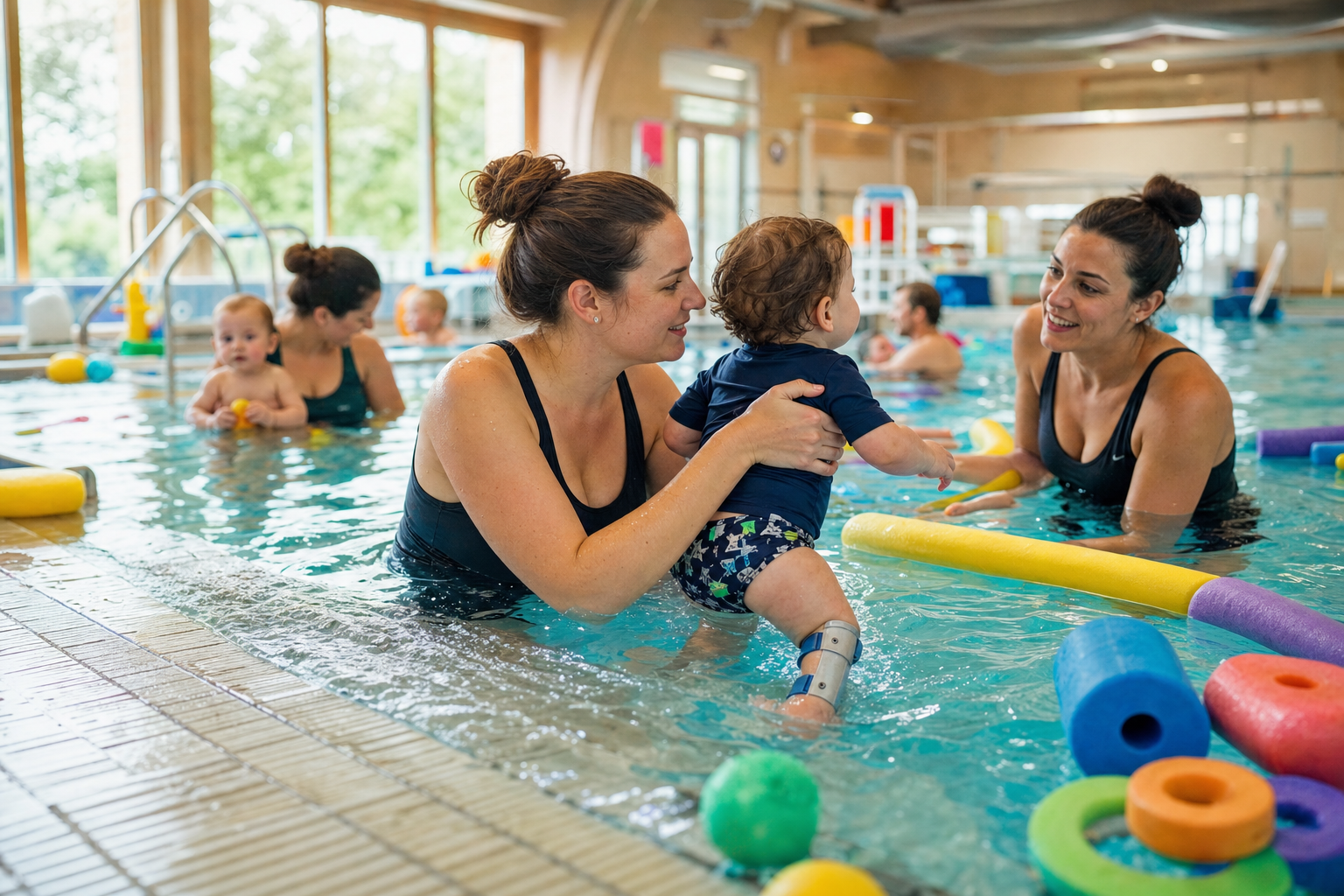
If your 6-36-month-old wears an ankle-foot orthosis (AFO), boots & bar (for clubfoot), or mobility support due to cerebral palsy, developmental delay, or post-injury, you probably have questions: can it get wet? What adjustments help? What gear safely works in the pool? Here’s what clinicians, manufacturers, and swim schools are telling parents right now.
Can My Child Wear Orthotics in Swim or Water Play?
The short answer: only if the device is specifically approved or made water-safe. Most standard walking AFOs, boots, and braces are fragile when wet—water can damage padding, Velcro straps, metal fittings, adhesives, and may lead to slipping or skin problems. (orthotix.co.uk)
If the orthosis is not waterproof, clinicians recommend removing it before swimming. Some devices, like the VACOped boot used for foot/ankle injury, are waterproof but require special care with liners and drying. (opedmedical.com)
What Water-Safe Orthotics Are Available?
For babies and toddlers who need support during swim time, some water-friendly options exist.
Waterproof component systems such as the Ottobock Aqualine Orthosis System, which offers orthotic joints made to resist chlorine, salt, and soap, are designed for transitions from land to water, including pools and showers. (ottobock.com)
Silicone AFOs are another option. They are made of medical-grade silicone to stay waterproof, offer mild ankle stability, and work well in barefoot environments like pool decks or shallow water. (wcbl.com)
Always match with a certified orthotist or PT to be sure the device meets your child’s strength, range of motion, and safety needs.
When Using Boots & Bar for Clubfoot
The boots & bar (foot abduction brace) must stay dry during baths and other times. During initial treatment, this set is removed for bathing and dressing. Wet leather or straps can shrink or degrade. (limblength.org)
Swim School Tips: Ask These Questions Before Booking
To make swim classes inclusive, safe, and comfortable, parents should prepare. When speaking with a clinician or swim instructor, ask:
- Is your child’s orthosis waterproof or water-safe? If not, when should it be taken off during swim time?
- Do you offer adaptive aquatic therapy or classes with trained instructors in adaptive needs?
- How will the fit be checked before swim class? Skin integrity, tightness of straps, and whether boots are slipping matter a lot.
- What devices or gear do you allow? Some places may allow a waterproof silicone AFO but not rigid plastic AFOs.
- How many support personnel will be in the water or on deck? You want enough staff with knowledge of ortho gear.
If you want a structured way to build water confidence at home, the 10-Week Plan guides you step by step.
Real-Life Advice That Helps
I worked with a family whose toddler had cerebral palsy with standard AFOs. The parents kept a waterproof orthosis backup just for swim days and allowed short water sessions with constant supervision. The child wore a clean sock under the orthosis to reduce skin irritation, and the local swim school agreed to have two instructors in smaller classes so they could watch every child carefully. Over time the toddler gained confidence in the water without risking damage to the orthotic gear.
Another parent with a child in boots & bar for clubfoot followed the 10-Week Plan from swimy.org to gradually build water confidence with adaptions like crawling in shallow water, splash time, and toy-driven motivation. That plan helped avoid overdoing it with the boots on. (reddit.com)
[[ctababy]]
Clean-Up and Skin Safety After Water Time
After any water exposure, when your child has worn a waterproof device or used something pour-over like a silicone AFO, dry everything thoroughly. Wet straps and padding trap moisture and bacteria. Inspect skin for redness, blisters or pressure marks. Remove socks and orthosis carefully; air-dry parts separately. If straps smell or cling, replace or wash them as per manufacturer instructions. (luriechildrens.org)
Decision Path: Land vs Water with Orthotics
If your child wears orthotics mostly for day-time walking and mobility indoors and outdoors, water play may not require their use in the pool. Swimming helps reduce weight-bearing strain, builds lower limb strength, and supports sensory play. If a device causes pain or slips during swim, consider removing it for pool time and using adaptive aids (floaties, noodle belts, parent-assisted hold) instead. (orthotix.co.uk)
For clubfoot boots & bars, the brace duty cycle must be preserved. Skipping hours without guidance can risk relapse. Use waterproof options, or limit water activities to times when the brace is off legally. (aboutkidshealth.ca)
Final Thoughts: Making Swim Time Inclusive, Safe, and Joyful
Baby swimming with AFOs or other orthotics doesn’t have to mean exclusion or compromise. With knowledge of what your device can handle, by working closely with both your clinician and swim school, you can plan swim sessions that protect fittings, skin, and alignment, while giving your child access to water play and learning. Be bold in asking questions, share your child’s orthotic prescription clearly, and invite instructors to adapt activities. Together, you’ll help your little one enjoy the water as safely and comfortably as possible.
120+ swimming exercises sorted by age — with video and instructions. Developed by swim instructors, completely free.

120+ swimming exercises sorted by age — with video and instructions. Developed by swim instructors, completely free.