Cold-Water Afterdrop: A Kid-Safe Warm-Up Plan for Open-Water Swims
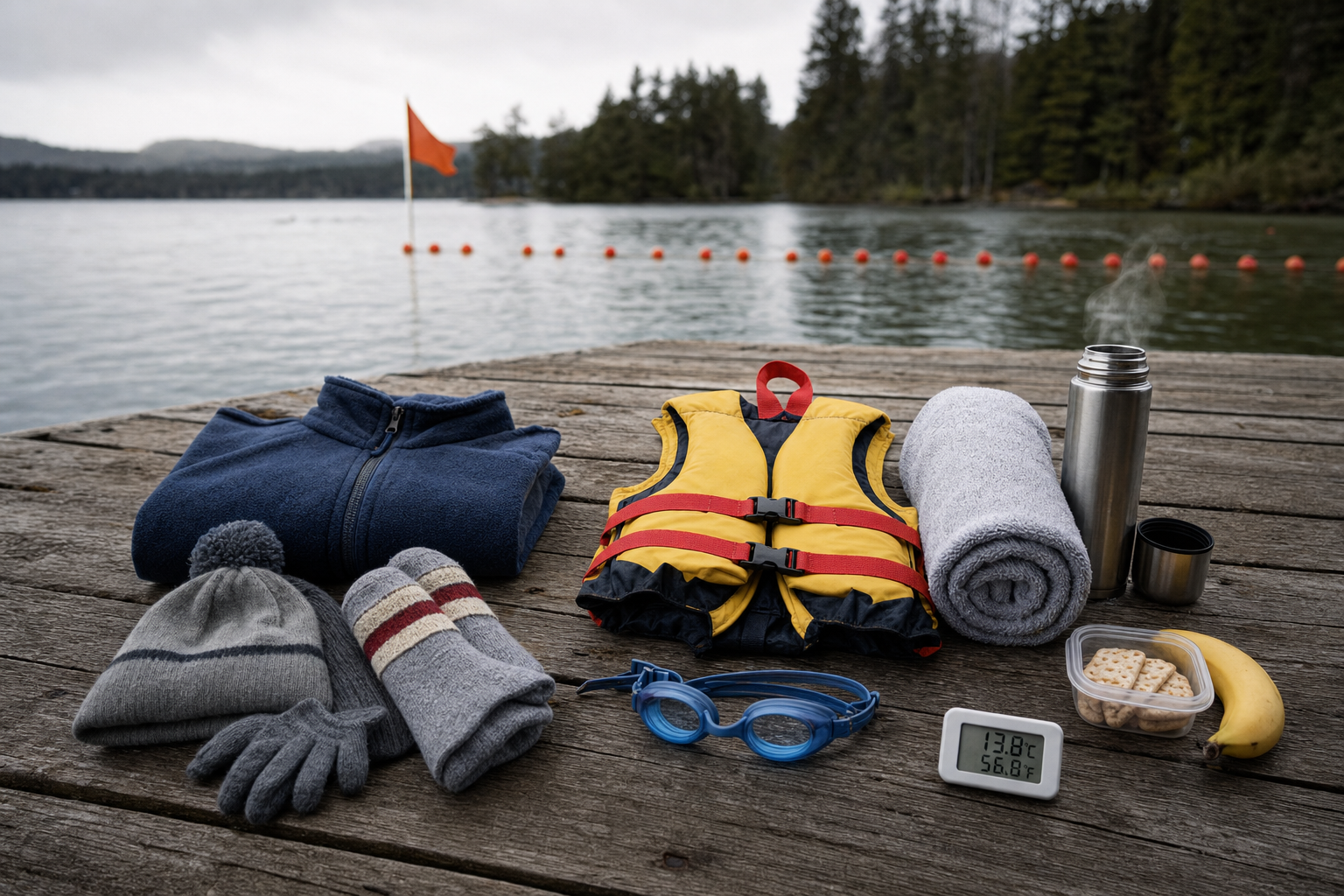
When kids come out of chilly lake or ocean water, even if the sun is out, they’re still at risk for afterdrop—when their core temperature keeps falling after they leave the water. This can lead to shivers, numb toes, and low energy, and in worse cases, hypothermia. Here’s how you can help children ages 6-12 warm up safely after open-water swims in spring or fall, reducing cold water swimming children warm up stress and keeping everyone smiling.
What Parents Should Watch: Signs of Afterdrop and Hypothermia
It’s vital to spot trouble early. Afterdrop shows when cold blood from arms and legs returns to the body’s core too fast, causing temperature to continue falling. Parents should watch for shivering, blue or pale lips, slow movement, fumbling fingers, or confusion. And if your child feels exhausted, starts breathing quickly, or shows slurred speech, those are serious hypothermia signs. Lifeguarded sites make a big difference—trained staff can help spot these warning flags. Experts from RLSS UK warn parents that things like stiffness, chills, or weird fatigue mean it’s time to get out and warm up.(rlss.org.uk)
Afterdrop can last 10-20 minutes or more. Muscles and skin stay cold after leaving the water, so core temperature continues to dip. It’s not comfortable—and can get dangerous if warming is rushed or done wrong.(vorlich.com)
Why Slow Warm-Up Beats Jumping in with Hot Water
The first impulse may be to dash kids into a blazing hot shower. Big mistake. Sudden heat causes blood vessels to rush open in cold limbs, and all that cold blood returns to the core fast. The result? A drop in core temperature, drops in blood pressure, dizziness or fainting. Instead, warm gradually: dry off, change into dry clothes, shield against wind, and let natural body heat—plus gentle movement—do its job.(usms.org)
A Practical Plan: After Lake Routine for Kids Ages 6-12
Here’s a warm-up plan you can follow right after getting out of cold open water. It helps prevent afterdrop, guards against shivers, and makes sure your child is warm, safe, and happy.
Get out fast, stay safe
Choose swimming spots with lifeguards. Use well-fitting life jackets in lakes or oceans to reduce immersion risk. Limit time in water, especially if it’s under about 15 °C (59 °F). As muscles cool, ability to swim well drops.(vorlich.com)Dry off quickly
The moment your child is out, wrap them in a dry towel. Remove wet clothes or wetsuits right away. Wet fabric steals heat. Cover the head, as a lot of heat escapes through hair and scalp.(swimireland.ie)
If you want a structured way to help your child progress at home, the 10-Week Plan guides you step by step.
- Warm layers & wind protection
Dress in dry base layers, then mid-layers like fleece or wool, then a windproof outer layer. Gloves, socks, a hat—anything to block wind-chill. Even in warmer months, wind plus wet hair equals plenty of heat loss.(rlss.org.uk)
[[ctakid]]
Warm drinks & energy snacks
Hot or luke-warm (not boiling) drinks help raise internal warmth. Chocolate milk, herbal tea, or warm broth work. Add a light carb-rich snack to fuel shivering, which burns calories.(nata.org)Light movement
Encourage gentle activity—walking, stretching, dancing around. Movement revives circulation to limbs but keep it gentle so you don’t stress a tired body. No running or heavy exertion until warm.(swimireland.ie)Wait before hot shower or baths
Hold off on hot water contact until body temperature begins rising naturally—when shivering dims, fingers get warm, and the child is alert. Hot showers too early may make core fall, so instead rewarm gradually.(vorlich.com)
Step-By-Step Routine in Action
Imagine your child swims at a cool lake on an April day when water’s around 13-15 °C (55-60 °F). They come out, teeth chattering, arms blue. First, towel off immediately and slip into a warm tee shirt plus fleece. Replace wet swimsuit with dry shorts or leggings. Add a hat. Then offer a warm drink—maybe hot chocolate or chicken soup—and a banana or crackers. Let them walk to the car, stretch arms and legs lightly. After 15 minutes, once fingers are no longer numb, then a warm (not hot) shower. End with cozy clothes. Parents who use this smooth routine see their kids warm up without the crash of cold afterdrop. Earlier prep—good waterproof coach, knowing exit points, life jacket—helps make this work smoothly.
When to Call It: Danger Signs & Safety First
Even the best plan needs backup. If any of these occur: shivering stops (yes, this is bad), slurred speech, confusion, blue lips, very cold skin, or collapse, get medical help. These are signs of moderate or severe hypothermia. Even staying out for too long with wind-chill and wet clothes can worsen risk. RLSS UK and athletes training guides stress parents should know those signs clearly.(rlss.org.uk)
Also avoid letting kids stay around in wet suits once dry out—even wind picks up. Avoid blasting heat immediately—heat packs or hot tubs are okay, but temperature changes should be gradual. This helps control the afterdrop effect more gently.(capetownswim.com)
Building Habit: A 10-Week Plan to Raise Confidence in Cold Water
If your family likes open water swimming through spring and fall and you want kids to feel more confident coming out warmer, follow something like the 10-Week Plan from swimy.org. This plan builds gradual cold-water exposure, body awareness, and post-swim routines—practices that teach kids how to warm up smartly. It helps avoid panic, teaches signs of afterdrop early, and makes cool water less shocking over time.
Afterdrop doesn’t have to spoil open-water fun. Getting kids dressed fast, giving warm drinks, keeping movement gentle instead of going immediately hot, and watching for warning signs will make autumn and spring swims safe and cool memories—not shivery regrets. You'll find open-water days rewarding when warm-ups become as much a part of the adventure as the swim.
120+ swimming exercises sorted by age — with video and instructions. Developed by swim instructors, completely free.

120+ swimming exercises sorted by age — with video and instructions. Developed by swim instructors, completely free.