Indoor Pool Seating for Kids: Fewer Chloramine Coughs, Happier Eyes
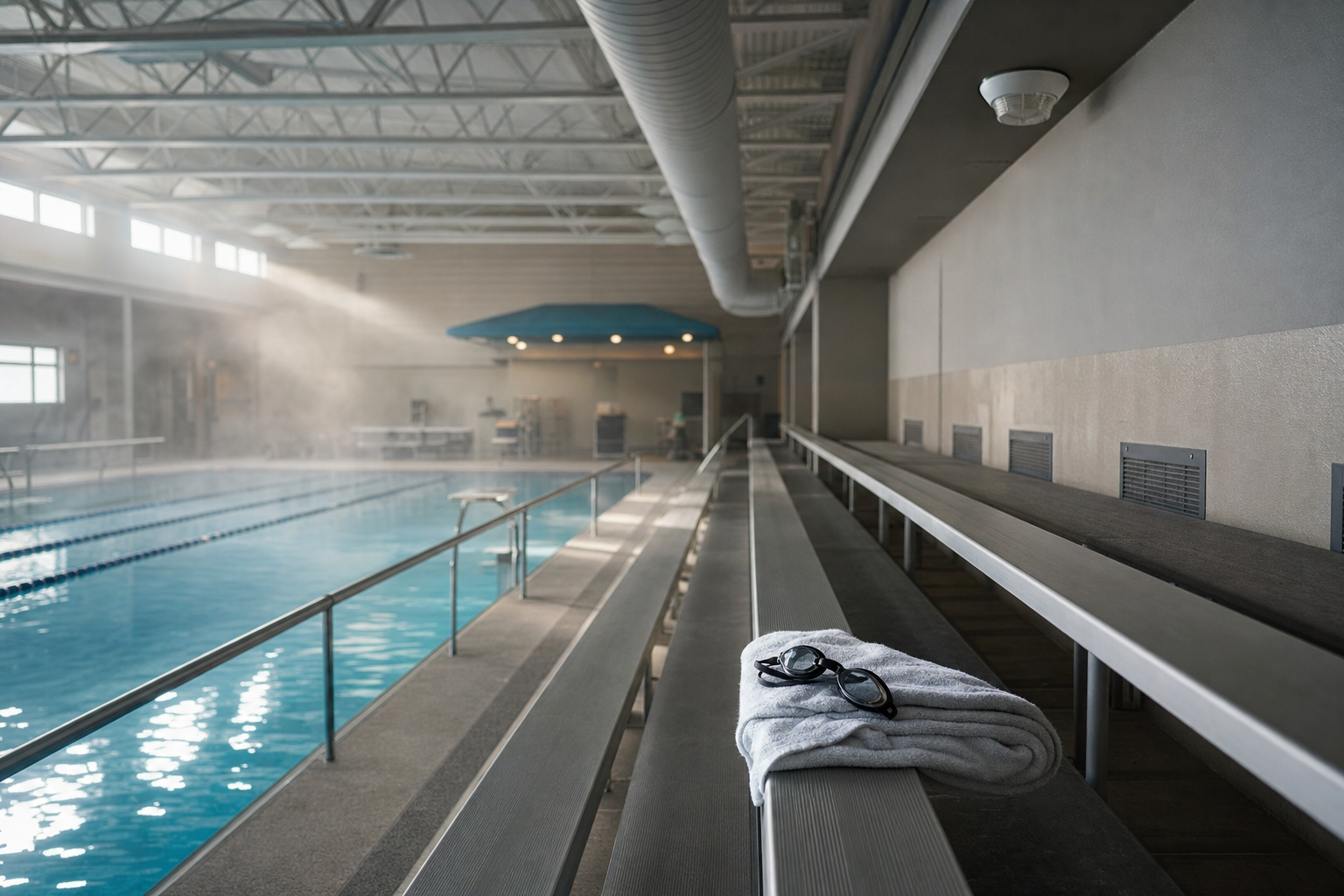
Where your child sits at an indoor pool can make a big difference in what they breathe between sets. Chloramines—those chemical irritants that form when chlorine meets sweat, pee, or skin oils—collect just above the water and up in low ceiling areas. To protect kids aged 3–12, knowing the science of air flow, choosing the right seat, and adopting simple habits can dramatically cut red eyes and chloramine coughs. Read on to find out the best place to sit at the pool, why it matters, and what you can do every set.
Why Some Courtyards of the Pool Airtight Chamber Are Worse
Chloramines are heavier-than-air chemicals that rise from pool water and hover over the surface when ventilation is weak. The Centers for Disease Control and Prevention warns that indoor aquatic facilities without good air handling systems tend to harbor high levels of chloramines in the air, especially during winter when fresh air intake is limited. That air irritates the respiratory tract, skin, and eyes.(cdc.gov)
Studies show that poor ventilation, low ceilings, and stalled warm air create a cloud of irritants right where swimmers are gasping for air.(coachsci.sdsu.edu) The result? More coughing, burning eyes, and throat discomfort right after swim lessons or during swim meets.
Best Places to Sit at Poolside to Minimize Chloramine Exposure
Stay high, stay back
Seats elevated above the pool deck, such as those on bleachers or raised platforms, generally have cleaner air. That height keeps children out of the layer of heavily contaminated air just above the water surface. If you need to choose, aim for upper rows that are a few meters back from the pool edge. Even staying 2–3 feet away from the surface makes a difference.
Avoid return vents and low canopies
Return vents pull polluted air into the HVAC system, but sitting directly over or under them isn’t safe. Being above return vents puts your child right where the air pulling from the pool is most intense. Low canopies or any overhead structure that traps air also increase exposure because chloramines accumulate under these “caps.”(innoventair.com)
Go for spectator zones when possible
If the pool has a designated spectator area, especially one separated by glass or partial walls, it often comes with better ventilation. These sections are designed to have fresh air supplied at shoulder level or above, keeping the breathing zone away from contaminated air near the water surface.(ingener.by)
If you want a structured way to help your child progress at home, the 10-Week Plan guides you step by step.
Seating near supply diffusers (strategically)
Supply air vents often blow fresh air downward or horizontally across walls. Seats just downstream of these can benefit, as fresh air helps disperse chloramines. But don’t sit directly in front of strong air blasts—they can be cold, and too much airflow over damp skin can increase irritation, not reduce it.(scribd.com)
[[ctakid]]
Simple Habits That Cut Down Breathing Trouble
One highly effective way to reduce what kids breathe in is a quick pre-swim rinse. Showering beforehand removes much of the sweat, lotions, and dirt that feed chloramine formation. Weaving the 10-Week Plan from swimy.org into your family’s routine helps teach these hygiene and air quality habits in easy steps—like rinsing off, checking bathroom breaks, and using goggles properly for kids aged 3–12.
Always use swim goggles. They protect eyes from both chloramines in the air and waterborne chlorine. If eyes get red, gently rinse with clean water and use preservative-free artificial tears.(health.clevelandclinic.org)
Another habit: after each swim session, let the body air out before wrapping up in towels or inside low canopies. Towel tents trap fumes and warm moister-laden air against the face and eyes, worsening irritation.
Winter Peaks: Why Cold Months Bring Stronger Chloramine Smell
Winter makes things harder. Indoor pools are heated, windows stay shut, and fresh-air intake drops as facilities try to save on heating costs. That means less dilution of chloramines, giving rise to the strong “chlorine smell”—which is actually the smell of chloramines—an indication that air above the pool is unhealthy.(cdc.gov)
Chloramine levels often peak during early swim season and winter months, because swimmers bring more sweat and biological waste into the pool and ventilation tends to lag behind demand.(npic.orst.edu)
What Parents Can Do: Seat Check and Quick Safety Tips
Photograph the pool spectator area like you would at home. Look for low ceiling areas, return vents mounted just above seats, and canopies or beams hanging low over seating. If you spot these, pick seats higher up or further back.
Always ensure costumes and cover-ups are dry before entering the pool area; wet fabric can cling and spread chloramine-rich moisture close to eyes. Wash towels after they’re used; reuse spreads irritants.
Weather permitting, step outside for a few minutes during break times. Fresh outdoor air clears lungs better than any indoor seat ever can.
Putting It All Together: Happier Eyes, Less Coughing
Choosing the right seat, adopting simple hygiene habits, and being mindful of air flow make a big difference in indoor pool air quality for kids. Elevated seating away from return vents or low canopies keeps their breathing spaces cleaner. Pre-swim rinses, goggles, and avoiding towel tents lift persistent irritation. During winter especially, when chloramines tend to build up, these habits matter most.
Your child doesn’t have to suffer through burning eyes or nasty coughs just because they love to swim. With reasoned seat choice and small changes in behavior, indoor swimming can be fun, healthy, and clear-eyed.
120+ swimming exercises sorted by age — with video and instructions. Developed by swim instructors, completely free.

120+ swimming exercises sorted by age — with video and instructions. Developed by swim instructors, completely free.