Conflicting Baby Swim Advice: Build Your Filter (Ages 0–36 Months)
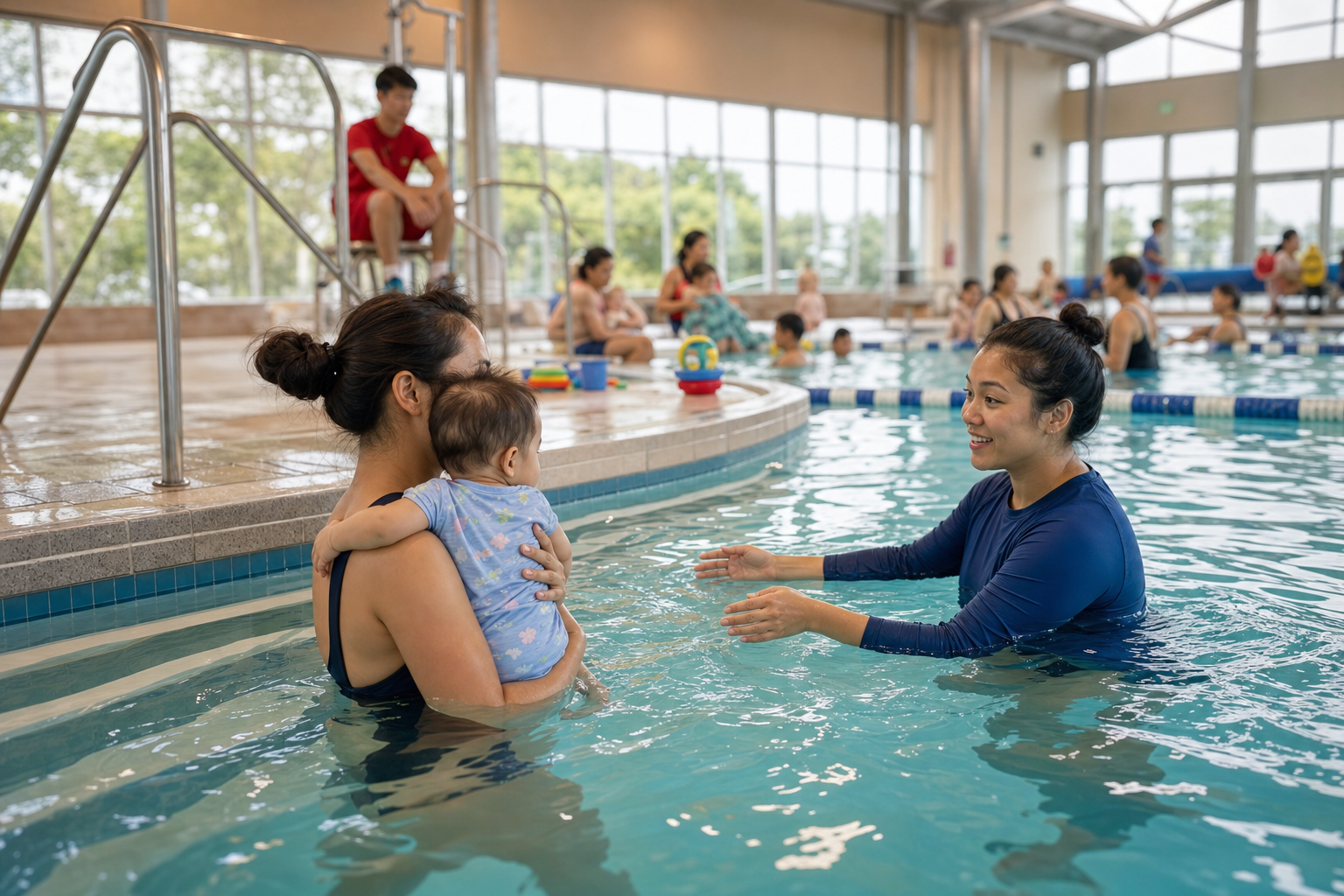
You’ve seen it everywhere—Instagram posts claiming submersion saves lives, Reddit threads insisting all babies should start lessons at six months, ads telling you your infant can become drown-proof. How do you sort through all this confusing, sometimes dangerous conflicting baby swim advice? The filter in this post helps you weigh what to follow—for babies aged 0-36 months—focusing on four key pillars: medical guidance, evidence on drowning prevention, consent-based teaching, and what your specific baby can tolerate right now.
Prioritize Medical Advice First
When the messages conflict—teachers pushing early submersion, influencers celebrating “float-swim-float” infant survival—it helps to head straight to pediatric experts. The American Academy of Pediatrics (AAP) updated its drowning prevention recommendations in 2026 and clearly states swim lessons should begin after a child turns one year old, because infants under 12 months are typically unable to coordinate the motor skills required for survival swimming.(publications.aap.org) There is currently no evidence that infant swim programs under 1 year reduce drowning risk.(healthychildren.org) Always consult your pediatrician about whether your baby is ready to begin lessons—not social media trends or relative advice.
Evidence and Drowning Prevention: What It Really Shows
Drowning is a leading cause of death among children aged 1-4, and swim lessons are one of several layers of protection.(aap.org) Studies suggest children aged 1-4 who receive formal swim lessons often show reduced drowning risk.(healthychildren.org) But again, under one year, the data are inconclusive. Even for toddlers, drowning prevention involves more than just lessons—pool fences, constant attentive supervision, life jackets, and knowing CPR all matter.(publications.aap.org)
Consent-Based Teaching: Your Baby’s Comfort Counts
You might see swim-school marketing that pushes forced submersion or claims your baby will self-rescue by 6-8 months, or Reddit posts calling it essential.(reddit.com) However, the AAP cautions against repeated forced submersions, which can lead to negative aquatic experiences and has not been shown to reduce drowning.(publications.aap.org) If your baby cries, resists, or isn't physically ready, stop. Water familiarization classes—parent-and-baby play, gentle floats, splash time—can help build comfort and trust before any formal lessons. Supportive instruction and respect for your baby’s cues matter more than hype.
If you want a structured way to build water confidence at home, the 10-Week Plan guides you step by step.
What Your Baby Can Tolerate Today
Every baby is different—age, medical history, temperament, exposure to water, warm pool environment, and concentration or fatigue all affect readiness. If your child is under 12 months, medical advice suggests using parent-and-infant classes just for water acclimation, not survival or safety skills.(healthychildren.org) Choose swim programs where the water is warm (ideally around 87-94 °F for babies and toddlers), classes are short and suited to their energy and attention span, and instructors focus on safety basics like touch-supervision and clean water.(healthychildren.org)
Sometimes you’ll find structured programs like the “10-Week Plan” of swimy.org where parents and babies progress gradually through gentle water exposure, floating, and basic safety foundations. If that fits your comfort level, evaluate the instructor’s credentials, safety promises (no drown-proof guarantees), and alignment with medical evidence before signing up.
[[ctababy]]
Common Areas of Confusion & How to Decide
Age & Development
Many people assume babies can do survival swimming early. In reality, under 1 year, an infant’s neurodevelopment doesn’t yet allow for coordinated strokes or self-rescues.(publications.aap.org) After age one, as mobility increases and the danger from water access increases, formal lessons become more protective.(healthychildren.org)
Submersion & Drowning-Proof Claims
Some programs advertise that brief submersion (holding breath underwater) or reflexive floating equals being drown-proof. That’s misleading. AAP warns that submersion training isn’t shown to reduce drownings, and pushy or forced underwater work can harm more than help.(publications.aap.org)
What to Wear & Water Quality
Parents on Reddit often ask whether swim diapers are necessary, whether chlorine is okay, what temperature water is best. Medical safety guidance says babies should wear snug swim diapers, water should be clean and properly disinfected, and baths or pools should be warm enough to prevent hypothermia.(healthychildren.org)
Crying, Fear, & Class Choice
Is crying a bad sign? Often not—it can simply mean fear, overstimulation, or unfamiliar surroundings. If the atmosphere is gentle and encouraging, a few tears won't doom progress. But classes that demand non-stop performance or use coercion often backfire. Always visit first, talk to the instructor, and watch how they engage babies. If your baby isn’t ready, wait or find an infant water-play class instead.
Putting It All Together: Your Personal Filter
Whenever you encounter conflicting baby swim advice—on Reddit, from relatives, swim school marketing—run it through this filter:
- Does it agree with current medical guidelines (AAP, your pediatrician)?
- Is there strong evidence it's effective in preventing drowning—especially for baby under 1?
- Does the teaching respect your baby’s consent and emotional state?
- Can your baby handle it today—physically, emotionally, developmentally?
If you answer “no” to one or more, pause. Modify the advice to fit your baby’s stage rather than forcing rules. Aim for layers of protection rather than relying on any single promise.
Bottom Line
Conflicting baby swim advice is everywhere. But the safest path lies in trusting medical guidance over marketing squeeze, seeking evidence over anecdotes, respecting your baby’s limits, and choosing safety and readiness over hype. Swim lessons are valuable—especially after age one—but they’re only one piece of drowning prevention. Your watchful supervision, safety infrastructure, and informed decision-making matter just as much, now more than ever.
120+ swimming exercises sorted by age — with video and instructions. Developed by swim instructors, completely free.

120+ swimming exercises sorted by age — with video and instructions. Developed by swim instructors, completely free.