Cradle Cap and Baby Swim Days: What Parents Need to Know
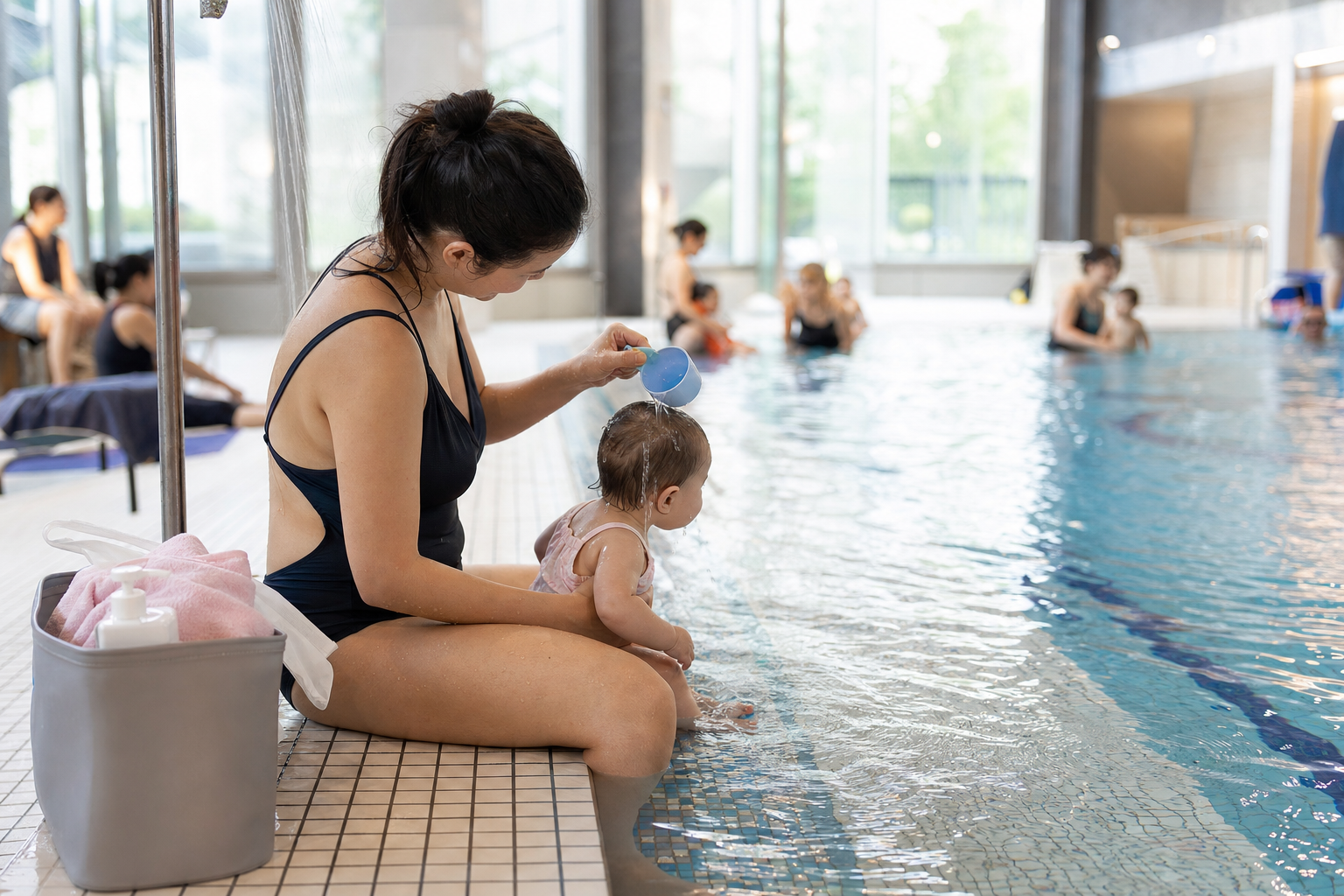
Is your baby’s flaky scalp making swim days more stressful than fun? If your little one has cradle cap, using baby oil treatments, exposure to chlorinated water, or swimming before their skin is healed can lead to discomfort—or worse. Here’s how to decide when to dive in, when to hit pause, and when to see a pediatrician if things get serious.
How Cradle Cap, Baby Oil, and Chlorine can Stress Baby’s Scalp
Cradle cap shows up as scaly or greasy patches, often yellowish, on your baby’s scalp—and sometimes near the ears or forehead. It isn’t usually itchy, but the flakes can become thick or oily over time. (mayoclinic.org) When you add baby oil—which is great for softening crusts ahead of bath time—and then expose the skin to chlorine in pool water, you risk trapping harsh chemicals under the oil layer and irritating the delicate skin. Chlorine can dry out skin and disrupt the skin barrier especially when oil prevents effective rinsing. (health.clevelandclinic.org)
If the scalp is cracked, bleeding or has signs of infection like pus or strong odor, the risk is even greater. Bacteria can take hold in those cracks, turning what was cradle cap into something more serious. (medlineplus.gov)
When to Rinse Immediately—Best Practices After Swim
After your baby swims, rinsing their scalp right away is essential. Use warm (not hot) water and a gentle, fragrance-free baby shampoo as part of your post-swim routine. This helps remove chlorine, salt, and other pool chemicals that can irritate baby’s flaky scalp or worsen cradle cap. (health.clevelandclinic.org)
You can pre-apply a light layer of baby oil before pool time to help protect skin—but only if you plan to rinse thoroughly afterward. Letting the oil-soaked scalp stay wet in chlorinated water without a rinse may trap irritants. Wash oil off gently, massage loosened scales with a soft brush or fingers, then rinse clean. (health.clevelandclinic.org)
When to Postpone Pool Time
If your baby has open sores, cracked skin, bleeding patches or any signs of infection such as redness, discharge, or crusting, it’s best to skip the pool. Swimming in chlorinated water under those conditions can worsen inflammation and lead to more serious issues. Never swim when the skin looks raw. (medlineplus.gov)
If you want a structured way to build water confidence at home, the 10-Week Plan guides you step by step.
Also avoid swimming if your baby seems unwell—fever, fussiness, or skin that’s hotter than usual are warning signs. For babies under around six months, many pediatricians recommend waiting until they have good head control and their immune system is more mature. Chlorinated pools are safer when maintenance is good, but sensitive skin, like cradle cap sufferers, is more vulnerable. (health.clevelandclinic.org)
One especially helpful timeline for introducing and improving skills in baby swimming is the 10-Week Plan from swimy.org, which can guide parents in gradually building up both confidence and protective routines while keeping cradle cap concerns in check. (Use this alongside medical advice.) [[ctababy]]
Questions to Ask Your Pediatrician If Scalp Looks Cracked, Bleeding, or Infected
If home care isn’t helping and you notice:
- The skin is cracked, bleeding, or oozing
- Patches smell bad or have yellowish crusts
- Cradle cap spreads beyond scalp to face or body
- Baby seems uncomfortable (crying more, scratching)
Bring these concerns to your pediatrician. Ask whether a medicated shampoo with ketoconazole or a low-potency steroid might be needed, or if topical antifungal creams would help. Ensure the treatments are gentle enough for babies, and clarify how often to use them. (mayoclinic.org)
Also ask which baby oils are safest (non-food based, low fragrance, mineral or baby oil) and how long you can leave them on before bath or pool. Finally, check whether there are underlying conditions like eczema or infant seborrheic dermatitis evolving. (skinsight.com)
Routine Tips to Make Swim Days More Comfortable
When cradle cap is mild and there are no open wounds, you can still enjoy swim days—it takes some careful planning. A helpful approach is maintaining a regular hair and scalp care routine that includes gentle washing three or more times a week with mild shampoo, massaging baby oil in advance of bath time, brushing off flakes gently, and thoroughly rinsing off chlorine after swimming. (mayoclinic.org)
If you find certain baby shampoos sting your baby’s eyes or dry the scalp too much, switch to fragrance-free or medicated options as recommended by your pediatrician.
Conclusion: Safely Enjoy Swim Days Without Compromising Scalp Health
In most cases, cradle cap is harmless and improves over time with gentle care and good hygiene. However, when swimming is involved—especially in chlorinated pools—it’s critical to rinse promptly, avoid leaving oils under water, and postpone pool time if the scalp is cracked, bleeding, or infected. When in doubt, consult your pediatrician, particularly if over-the-counter treatments haven’t worked or if the condition looks severe.
Remember, swim days can be joyful for both parent and baby. With a few precautions, you can protect their delicate scalp and still enjoy the water together.
120+ swimming exercises sorted by age — with video and instructions. Developed by swim instructors, completely free.

120+ swimming exercises sorted by age — with video and instructions. Developed by swim instructors, completely free.