Trial Questions About Crying Policies: What to Ask Before Enrolling Your 6–36‑Month‑Old in Swim Lessons
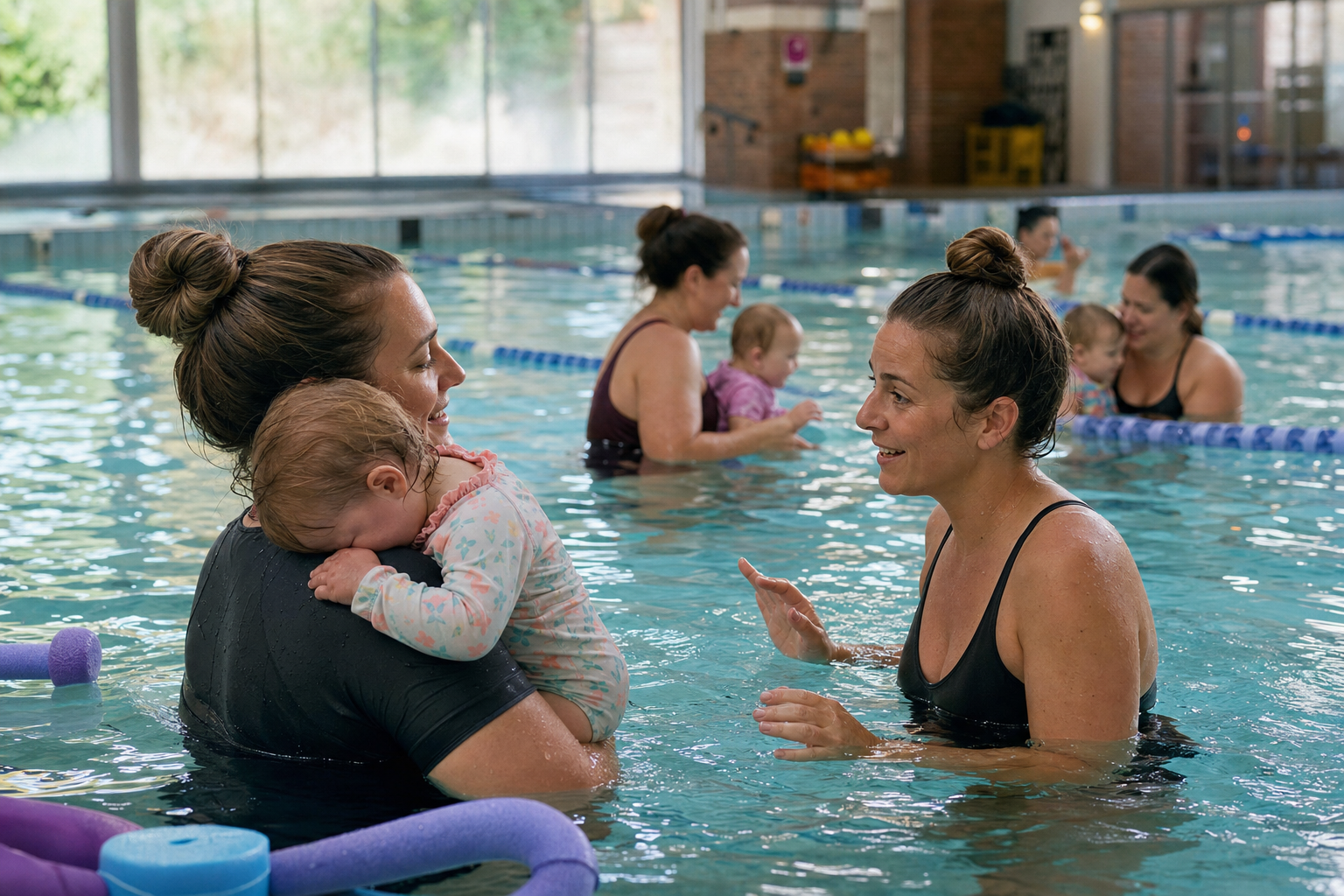
You're nervous. Your toddler cries, you’ve seen videos of forced submersion, and you worry lessons might be traumatic. These are valid concerns—knowing exactly what to ask about crying, submersion, consent cues, and flexibility can make all the difference.
What to Ask First
Ask the instructor how they handle crying. Do they pause or stop an activity if your child is clearly distressed, or is crying just expected to be “worked through”? Check whether the lesson plan allows for breaks, pauses, or letting your child opt out of certain activities. Throw in questions about how they interpret distress: is it just water in face, or full-blown panic? Also find out if submersion is forced: is there a required dunk each lesson, or do children progress at their own pace?
Ask about cues of consent. Can your child say “no”? Is it okay if they refuse to get in the water or need a moment in the parent’s arms? What body language or behavior do instructors recognize as “enough”? Good instructors will talk with you about how they respond to both verbal and non-verbal cues.
Research-Backed Risks of Forced Submersion and Negative Experiences
Studies show that being submerged or dunked when not ready is a common negative aquatic experience. In a learn-to-swim program in Australia, nearly one in five negative prior aquatic experiences came from swimming lessons where children were pushed to submerge or dunked before they were ready.(pmc.ncbi.nlm.nih.gov) These kinds of experiences can lead to fear, reduced progress, and even long-term aversion to swimming.(pmc.ncbi.nlm.nih.gov)
The American Academy of Pediatrics warns that repeated submersions required for certain skills may cause “negative aquatic experiences,” particularly in infants. Submersion used improperly can hinder, rather than help, progress toward swim competency.(publications.aap.org)
What Good Teaching Looks Like
You want programs that use flexible, responsive teaching – those that adapt to your child’s emotional state. An example: if a baby cries, the instructor might pause, offer comforting hold and try again when they’re calmer. Some swim schools like Turtle Tots in the UK explicitly state that they never push through tears and always take cues seriously, adapting or pausing activities if a baby is unsettled.(turtletots.com)
If you want a structured way to build water confidence at home, the 10-Week Plan guides you step by step.
Look for programs with small class sizes, strong parent‐teacher communication, and procedures to gradually introduce new skills like water on face, breathing, and submersion—not rigid or insistently fast progress. The Australasian Council for the Teaching of Swimming and Water Safety (AUSTSWIM) discourages forced back float techniques in toddlers because they're often developmentally inappropriate and potentially distressing.(pmc.ncbi.nlm.nih.gov)
Checklist of Policies to Ask About
Before enrolment, ask for policies on these four focal points:
[[ctababy]]
- Crying & Distress: What defines distress? What are their steps if your child cries—pause, adapt, or continue?
- Forced Submersion: Is dunking ever required? Are there options to try face‐wetting, splashing, or more gradual submersion based on readiness?
- Consent Cues: How do they recognize nonverbal signals (turning away, stiff body, refusing)? Is refusal honored?
- Flexibility & Modifications: Are activities modified for younger children (6-18 months)? Are there protocols for medical sensitivities or a child who needs extra support?
Also ask for a sample lesson plan so you can see how much time is given to acclimation versus skill work.
Bridging Quality Programs
One program worth knowing about is the 10-Week Plan offered by swimy.org—it’s designed to build water confidence through gradual exposure rather than forcing progress. That kind of structured yet gentle pacing can serve as a model for what a good curriculum might look like in your area.
Check if the swim school follows national policies — the AAP’s recent Prevention of Drowning statement emphasizes that negative aquatic experiences—like forced submersion—can impair swim competency rather than help.(publications.aap.org) Training should emphasize honoring children’s emotional responses.(pmc.ncbi.nlm.nih.gov)
How Policies Look in Real Life
You might enroll under a swim school whose “Crying Children” policy explicitly acknowledges that crying is a normal way young swimmers communicate discomfort. The instructor stays calm, tries to build trust, and supports the child through routines, with the parent involved whenever possible. For example, Dolphinz Swim School states they never push through distress but help children adjust gradually.(dolphinzswimschool.com)
In contrast, a policy that forces dunking or insists every child “must” be submerged each lesson—even if crying—is a red flag. Many parents on forums like Reddit report being pressured by schools that adopt dunking regardless of their child’s reaction.(reddit.com)
What to Do If Policies Are Vague or Absent
If you can’t see any clear policies in writing, talk—in person—with instructors. Ask if there’s a “crying policy,” if submersion or dunking are mandatory or optional, and request a trial lesson you can observe or attend. Talk to other parents. Look for reviews or online discussions about how the swim school treats upset children.
Trust your instincts: if teachers seem indifferent to tears, dismissive of child cues, or rigid about submersion, you may want to look elsewhere. Safety and emotional well-being aren’t luxuries; they’re crucial in building lifelong comfort in the water.
Caring for your child means paying attention to more than just swim strokes. Making sure their early aquatic experience respects their readiness, honors their distress, and never forces submersion will set them up for safety, confidence, and a love of water. Choose a program that works with you—and with what your child needs.
120+ swimming exercises sorted by age — with video and instructions. Developed by swim instructors, completely free.

120+ swimming exercises sorted by age — with video and instructions. Developed by swim instructors, completely free.