Feeding Baby Before Swimming: A Practical, Reflux-Friendly Guide for Stress-Free Parent-and-Baby Swim Sessions
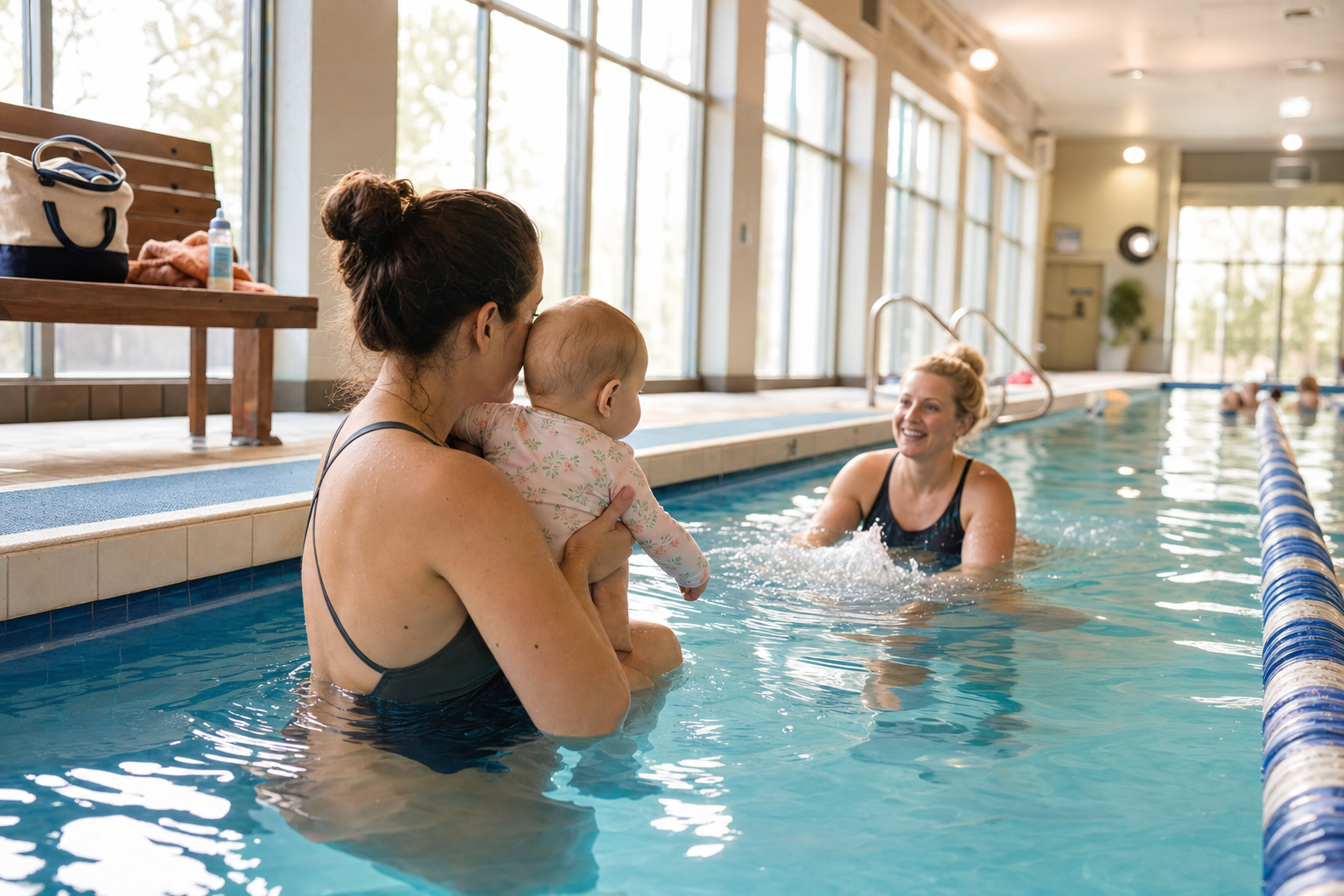
Picture this: you arrive at swim class with a baby roaring with hunger. Or even worse, you've overfed, and the mess begins mid-length. You’ve likely heard the old rule: “wait 30 minutes after eating before swimming.” Let’s chew through that myth, and set out a comfortable, reflux-friendly feeding plan for babies 0–36 months—whether breastfed, bottle-fed, or already nibbling on solids.
Why the “Wait 30 Minutes” Rule Isn’t One-Size-Fits-All
Generations of parents were told to wait 30 to 60 minutes after eating before entering the pool. The idea was that digestion pulls blood away from limbs, causing cramps—or worse. But medical experts at places like the Mayo Clinic say there’s no scientific basis for calling this a safety rule. Yes, going in with a very full belly might feel uncomfortable. But it doesn’t pose a risk of drowning.
Babies are different. Their digestion is slower. If your baby tends toward reflux or vomits easily, you do need to plan more carefully. But even then, you don’t have to treat normal feeding like a disaster waiting to happen in the pool.
Feeding Guidelines by Age & Feeding Type
Breastfeeding Babies (0–12 months)
For exclusively breastfed babies, the breastfeeding sessions can flex naturally. Let your baby feed before swim lessons—but try to finish 20-30 minutes ahead whenever possible. Burp well. Keep baby upright afterward for at least 20 minutes. That gives gravity a chance to help reduce reflux. If you have just ten minutes before class, a short, relaxed feed is better than stressing over a fuller feed with burping to follow.
Bottle-Fed Babies and Reflux
Bottle feeding can contribute to reflux when feeds are large or fast, when bottles aren’t paced, or when babies lie flat after feeding. The latest guidance suggests using slow-flow nipples, pacing the bottle so that feedings are interrupted with pauses, and holding babies upright during and for 20 to 30 minutes after feeding. For those with diagnosed reflux (GERD), you may aim to have the last full bottle at least 60-90 minutes before swim time. (amme.mom)
Toddlers on Solids (6–36 months)
Toddlers eat more varied foods, and feeding timing matters more. A solid meal 2 to 3 hours before swim class ensures enough fuel, with less chance of discomfort. A small snack—say, yogurt, a banana, whole-grain crackers—30 to 60 minutes beforehand can help maintain energy without overloading the stomach. Avoid greasy, spicy, or high-acid foods just before swimming. Water is your go-to drink. (waterwisekids.com)
One great resource parents turn to is the 10-Week Plan, designed to build comfort in and around water for infants and toddlers. It encourages parents to observe their child’s feeding, timing, burping, and reactions, and adapt lesson times or feeding practices to suit their individual needs. That plan is just one way to customise feeding rules rather than follow myths blindly.
[[ctababy]]
Reflux & Baby Swimming: Timing Tips That Help
For babies prone to spitting up or reflux:
• Keep the major feeding at least 60-90 minutes before swim class. A smaller snack closer to time is okay if needed. Swimy’s advice from European swimming practitioners backs this approach. (swimy.de)
• In the water, avoid bouncing, splash play, or sudden pressure on the belly. Gentle movement, supportive holds, time for burping even inside the lesson—all reduce discomfort.
• Right after swimming, hold your baby upright for 20-30 minutes rather than plopping them into a car seat or lying them flat. This upright time and gentle cuddling help minimize reflux. Swimy and pediatrics experts emphasise that posture and position are key. (amme.mom)
Separating Myth from Sensible Precaution
“Baby swim lesson after bottle”—if you’re thinking you must wait exactly 30 minutes after a bottle before heading into the pool, science says you don’t—not necessarily. The “wait” rule holds no automatic safety hazard. But when feeding is large, or your child suffers reflux, or the swim involves vigorous play, a gap helps avoid vomiting, stomach pain, or distress.
If all has gone well, plan to have the bottle or last big breastfeed at least 60 minutes before class for reflux-sensitive babies. For others, finishing feeding 20-30 minutes before is often enough to feel comfortable without waiting an hour or more.
Backing Your Swim Lessons with Energy and Enjoyment
Here’s what you might try in practice: for a class at 10:00 AM, perhaps breastfeed at 9:30 if baby eats frequently; if bottle-feeding, finish around 8:45 or 9:00; toddlers on solids might have breakfast around 7:30-8:00 and a small carb snack at 9:30.
Personal experience helps here. One parent told me that for her reflux-prone infant, feeding 75 minutes before swim time, adding a light snack, and prioritising burping cut down the dreaded mid-lesson spit-up by more than half.
Summary: What You Really Need to Know
Feed your baby before swim lessons, but avoid heavy feeding immediately before vigorous water play if reflux or over-fullness is an issue. The “wait 30 minutes” advice is outdated as a safety rule—it’s not supported by modern medicine. What matters more is how much the baby eats, how upright they are afterward, and whether there’s a tendency to reflux. For solids-eating toddlers, fuel their energy with a main meal well ahead (2–3 hours), topped up with light carbs in the lead-up. Trust your baby’s cues. Adjust gradually. With good timing and posture, feeding before swimming becomes a tool for comfort—not a worry.
120+ swimming exercises sorted by age — with video and instructions. Developed by swim instructors, completely free.

120+ swimming exercises sorted by age — with video and instructions. Developed by swim instructors, completely free.