First Snorkel for Kids (Ages 7–12): Safer Spots, Skills & Gear
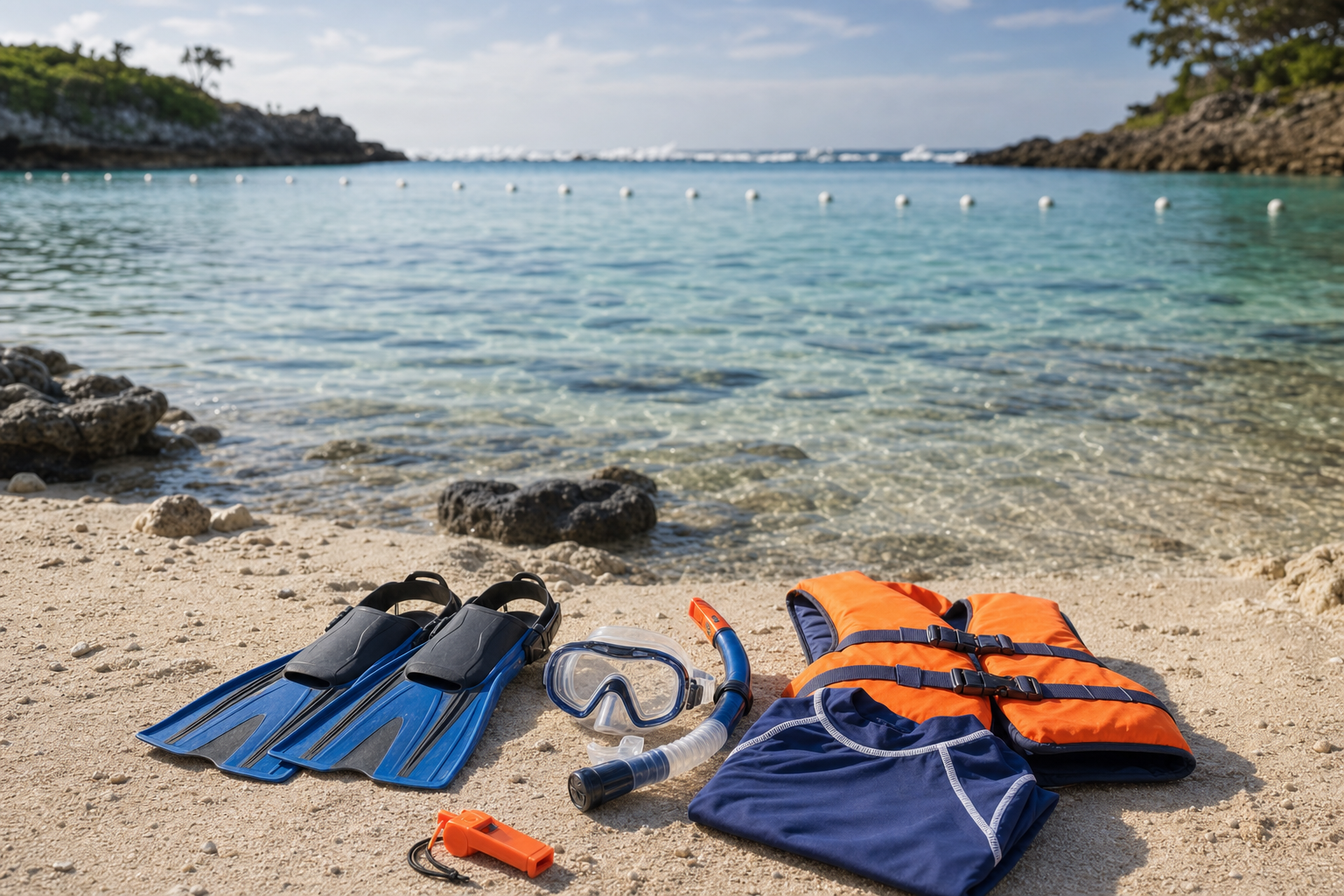
If your 7- to 12-year-old already swims confidently in a pool and wants to explore calm open water, here’s what helps you start snorkeling safely and joyfully—right away. You’ll learn where to go, what to wear, and how to teach your child buddy rules and signals before wading in.
Choosing the Best Snorkel Spots for Families
Pick sheltered locations: look for calm bays, lagoons, coves, or shorelines protected by reefs or breakwaters. These places reduce surf, minimize strong current, and create shallow, clear water perfect for children to practice without stress. For example, in Maui Kapalua Bay often blocks waves thanks to its curved shape, making it one of the finest best snorkel spots for families (nszipline.com).
Always check local advisories: tides, weather, and marine life warnings. Ensure lifeguards are on duty if possible. Scouting access points so entry is gentle avoids pitfalls like surf or shorebreak entries, which can surprise even older kids.
Seasonality matters: in the USA, UK, and Australia, late spring through early fall tends to offer warmer water and better visibility. Yet if you're vacationing somewhere tropical, warm-water snorkeling can be enjoyed year-round—just be sure it’s a place that stays calm when wind kicks up.
Teaching Skills Before Heading Out
Confidence in calm water comes from mastering a few essentials. Once your child is a competent pool swimmer, you can work through skill steps: breathing through the snorkel while face down in shallow water, clearing the mask and lens, tilting the head to dive briefly, and returning to float. Practice these in the pool or a quiet beach with ankle-depth water so they gain muscle memory without fear.
Buddy rules are non-negotiable: always snorkel with another person, ideally with one adult and one child. Stay close so you can touch or see each other at all times. Also go over easy signals: “OK” (thumb and finger circle), “Something wrong” (wave hand), “Come here” (beckoning). Universities and marine safety organizations emphasise using a buddy system to prevent accidents (private-scuba.com).
For weaker swimmers among 7-12-year-olds, use a life jacket or PFD. It isn’t shameful—it builds safety and lets them focus on exploring rather than effort.
Kids Snorkel Set Fit & Gear Choices
The right gear makes or breaks the trip. A good set includes a mask, snorkel, and optionally fins. Mask fit must be snug but not pinching: a soft silicone skirt that seals around eyes and nose, strap easily shared over ears, no leaking. Snorkel length should be short enough for easy breathing; too long means harder breathing and CO₂ buildup. Fins with adjustable heel straps are safer and more forgiving than rigid ones.
If you want a structured way to help your child progress at home, the 10-Week Plan guides you step by step.
Avoid full-face snorkel masks for kids. Studies show these designs may trap exhaled CO₂, risk rebreathing, make clearing water difficult, and are harder to remove in emergency situations (pmc.ncbi.nlm.nih.gov). Many tour operators and safety bodies prohibit full-face masks exactly because of those risks (scienceinsights.org).
[[ctakid]]
As part of your training, you might use the 10-Week Plan from swimy.org, which lays out progressive skills for confident swimming and open-water readiness. That plan helps children build strength, comfort, and technique across weeks so that their first real snorkeling isn’t overwhelming .
Steps Before You Snorkel
Start in the pool or calm shallow water: let your child practice putting the mask on, breathing through the snorkel, lifting the head up and down, clearing water, and floating. Simulate what they’ll do in open water but in a controlled, predictable environment.
Discuss safety signals and what to do in various scenarios: if they feel wind or current picking up, what they should do if they become disoriented, how to communicate with their buddy. Make sure your child looks outward, not just at fish—they need to be aware of boats, other swimmers, or changes in water conditions.
Do a gear-check together: mask skirt clean, snorkel dry, fins fit, goggles or mask clarity. If using a life jacket, confirm it’s snug and designed for snorkeling or water sports—not just flotation.
Pitfalls to Avoid
Entry surf or shorebreak: do not let children try unexpected breaking waves or steep drops. A small wave crashing under them can dislodge gear and surprise them.
Full-face mask misuse: as noted, these look fun—but dangerous if the mask doesn’t ventilate properly. Symptoms like shortness of breath, fogging, or breathing feeling heavy mean stop immediately and switch to traditional snorkel-mask gear (pmc.ncbi.nlm.nih.gov).
Currents and tidal pull: even mild rip currents are hazardous if kids drift away. Always stay within reach and pick days when local water is known to be gentle.
Boat traffic and watercraft: avoid areas where boat launches, jet skis, or heavy traffic are crossing snorkel zones. Wearing bright rash guards or floatation that's visible helps; stay parallel to shore; ensure adults are watching.
Getting Ready: What to Pack & Check
Ensure warm enough water or bring short wetsuits if water gets cold in the morning or late afternoon. Bring rash guards for sun protection. Have spare snorkel gear or replacements for straps or broken pieces. Pack a whistle or small float so children can call if they drift. And always have sunscreen, water, and shade to prevent sunburn or heat exhaustion.
Wrap up by reminding your child that snorkeling is about wonder and exploration—not pushing limits. Let curiosity lead, not fear. When they’re calmly sharing bubbles, spotting fish, pointing at coral, you’ll know all this preparation was worth it.
By choosing sheltered locations, fitting gear carefully, teaching clear rules, and avoiding common pitfalls such as full-face mask misuse or surf entry, you can give your child their first snorkeling adventure with confidence and safety. Happy exploring!
120+ swimming exercises sorted by age — with video and instructions. Developed by swim instructors, completely free.

120+ swimming exercises sorted by age — with video and instructions. Developed by swim instructors, completely free.