Goggle Fit, Solved: A Three-Minute Parent Tune-Up
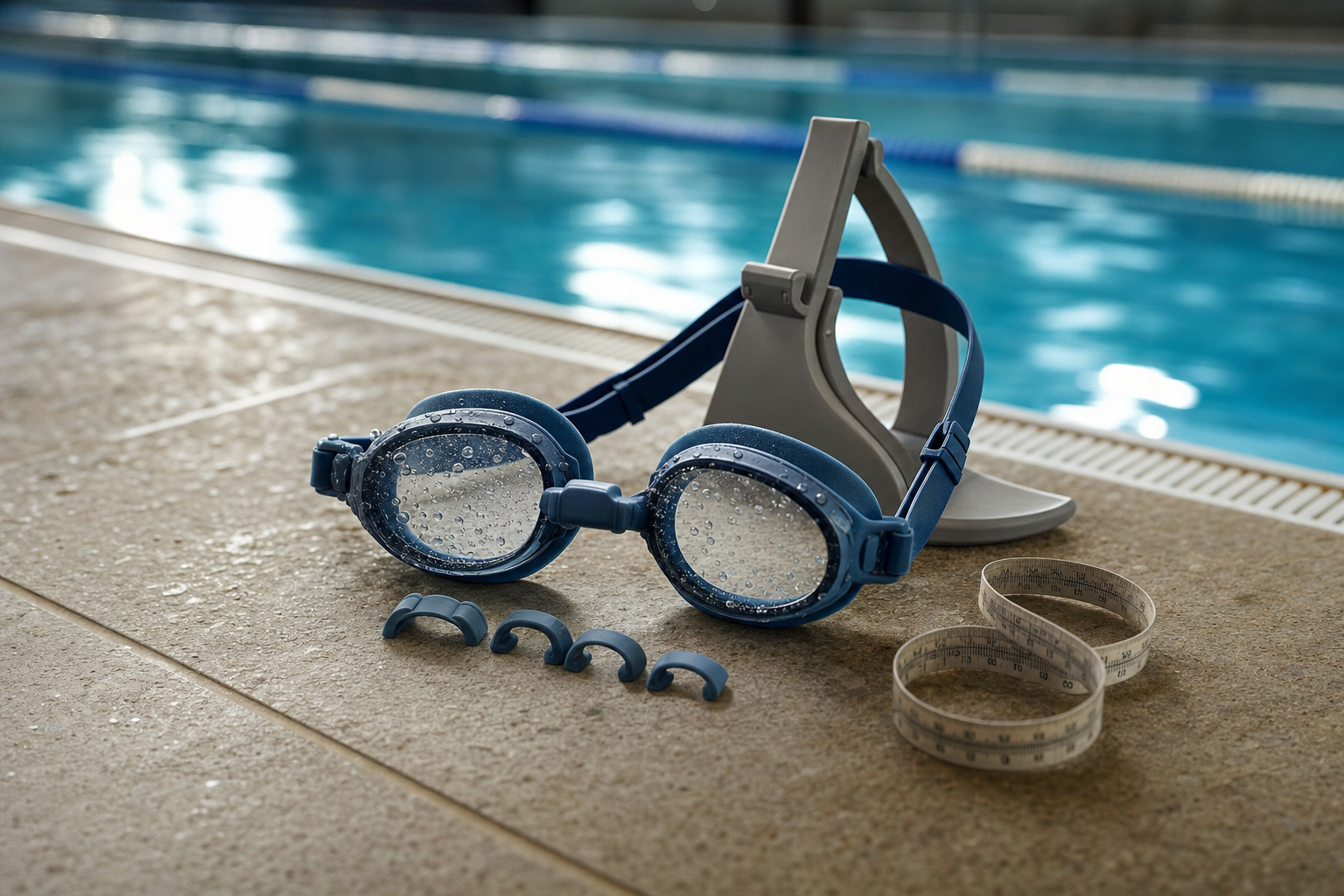
If your child’s goggles keep leaking, they’re not alone—and those leaks can steal away precious lesson time. What matters most isn’t flashy mirrored lenses or cool colors—it’s a quick routine to get the right face seal, strap height, and nose-bridge fit. Do this, and your 3-to-12-year-old can focus on freestyle instead of fussing by the pool.
Clear Vision from the First Splash
Start with the face seal test. Ask your child to press the goggles gently over their eyes without using the strap. If they hold on suction for three to four seconds without water seeping in, you’ve got a solid seal. If air or water leaks in near the nose or edges, the seal isn’t firm enough. Swapping to a smaller eye piece or adjusting the gasket often fixes leaks. That’s based on tips shared by the experts at Swim Network and youth swim coaches. (swimnetwork.com)
Strap Setup: Don’t Let Gravity Do the Work for You
A common mistake parents make is placing the strap too low—at the base of the skull. That angle pulls the top of the goggles upward and breaks the seal. Instead, aim for about a 45-degree angle with the strap crossing high on the back of the head toward the crown. This rule often corrects leaks instantly with no need to buy a different pair. (swimnetwork.com)
Nose Bridge Trim: Adjust, Don’t Force
Most kids’ goggles come with adjustable nose pieces. If you see pinching or discomfort near the inner corners of the eyes, try widening the bridge. If the goggles seem too far apart and still leaking, go smaller. Coaches and product testers agree: a properly fitted nose bridge makes a big difference. (swimnetwork.com)
|Leaking Location|Likely Cause| |----------------|-------------| |Inner corners|Nose bridge too wide| |Wrinkled seal under eye|Eye cup size too large or strap too loose/high| |Pooling over eyes|Mirrored or tinted lens indoors causing glare|
That last one is a surprise for many—mirrored lenses look cool outdoors but can create glare inside pools, making kids squint and disrupt their vision unless under bright sunlight. Most reviews warn parents against using mirrored lenses indoors for lessons. (the-independent.com)
Once you’ve mastered these steps—face seal test, correct strap height, and nose bridge tweak—your child’s goggles should stay put. For growing swimmers, following an incremental training and gear plan like the same rigorous approach you’d use for skills work can help. One example: you could pair this routine with the 10-Week Plan to build up confidence, storage drills, and self-adjustment skills for goggle care. https://www.swimy.org/10-week-plan naturally builds habits that prevent leaks from day one.
Soft But Secure—Don’t Overtighten
It’s tempting to tighten the strap until nothing moves. Don’t. Overtightening causes discomfort, soreness around eye sockets, and doesn’t boost seal performance. The straps are there to hold, not to clamp down. Look for comfortable silicone seals—and let’s just say your child’s goggles shouldn’t leave red marks long after they come out of the water. (goodhousekeeping.com)
—
[[ctakid]]
What Experts Agree On: Comfort & Fit Over Brand or Features
Major children’s gear review sites have consistent messaging: the best goggles are those that balance comfort and fit, not those with flashy extras. From KindlyKiddo to Swim Insider, the same features keep coming up—cushioned seals, easy adjustment (especially around the nose and strap), soft materials, and leak-free performance. (kindlykiddo.com)
When deciding which goggles to buy, watch out for common pitfalls: straps placed too low, lens designs with mirrored tints used in dim indoor pools, and horseshoe-shaped eye pieces that protrude and leave gaps. These design errors can invalidate great materials or coatings. (swimnetwork.com)
Coaching & Consumer Advice You Can Trust
Swim schools often emphasize the importance of non-mask goggles (i.e., designs that let kids keep their nose free), soft silicone rubber over rigid plastic, and age-graded sizes. They warn that mask-style or large coverage designs can interfere with learning breath control underwater. (goodhousekeeping.com) When time for new goggles rolls around (often every season for growing kids), go for models that offer multiple nose bridge settings or replaceable pieces. Test the seal when dry, and again when wet—water breaks tension differently. (babygearlab.com)
If you run through this three-minute tune-up before summer lessons or a new school term, you're likely to save from ten laps to a whole session’s worth of frustration. Kids get clear vision, eyes stay comfortable, and lessons become about progress, not panic. Get the fit right, and the goggles less likely to leak—your child will thank you in strokes, not stares.
120+ swimming exercises sorted by age — with video and instructions. Developed by swim instructors, completely free.

120+ swimming exercises sorted by age — with video and instructions. Developed by swim instructors, completely free.