How Often Should Toddlers Take Swim Lessons? Weekly vs. Intensive Plans
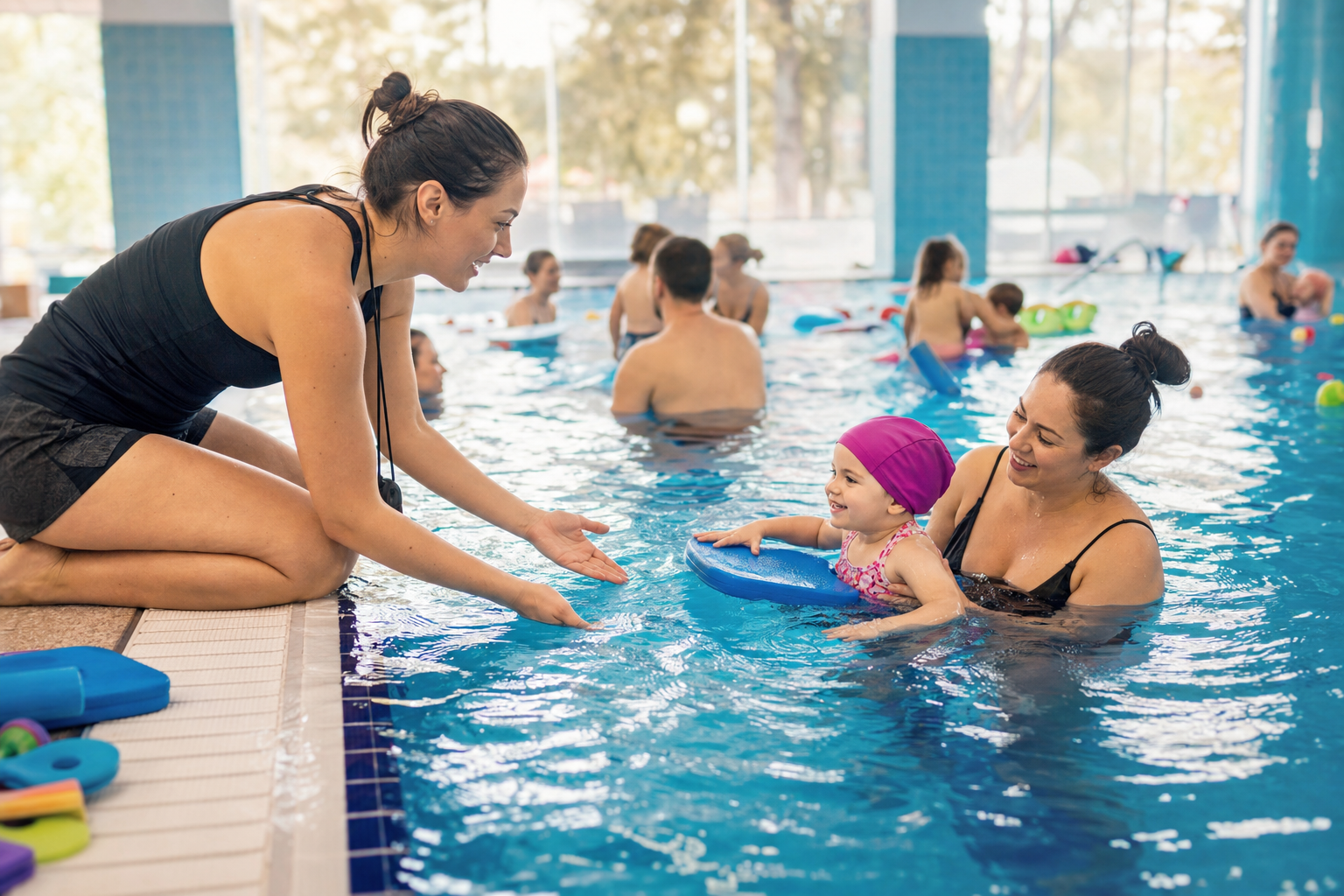
If you’ve been asking yourself, “Is weekly swim lessons baby enough?” or “Do intensive swim lessons toddler programs work better?”—you’re not alone. Here’s what the latest research and expert guidance reveal so you can make the best decision for your child.
Weekly vs. Intensive Swim Lessons: What Works Best for Toddlers
For toddlers between 12 and 36 months, consistency is more important than cramming in lots of hours. One lesson per week helps build comfort and familiarity in water, especially when paired with informal practice like splashing in a backyard pool or paddling bath play. Two lessons weekly typically double the speed of progress. Toddlers who swim weekly often reach basic water safety milestones in about 6 to 12 months, while those swimming twice per week may do so in 3 to 6 months. Beginners or families seeking faster progress sometimes try three or more lessons weekly, or short intensive blocks (daily swimming for a week) during holidays. However, those intensive schedules often lead to fatigue and burnout unless the child already has some water comfort.(waterwisekids.com)
Water Familiarization for Babies 6–12 Months
Before your child turns one, formal swim lessons should focus on water familiarization rather than survival skills. From about 6 months onward, many programs allow parent-and-child classes that help infants get used to warm water, enjoy caregiver contact, and try basic movements like kicking or blowing bubbles. These classes are about building trust and water comfort, not teaching independent swimming. The American Academy of Pediatrics (AAP) supports such sessions but cautions they should not promise survival skills.(healthychildren.org)
How Often Should Toddlers Aged 12–36 Months Swim?
Once your toddler is at least a year old, more structured lessons with qualified instructors become valuable. Here’s what experts recommend:
- One lesson per week: Great starter. Promotes steady water comfort and builds confidence, though progress is slower.
- Two lessons per week: Often the optimal pace. This frequency reduces skill regression between lessons and offers meaningful improvement.(speediswim.org)
When lessons are spaced with enough time in between—such as Monday and Thursday rather than Monday and Tuesday—the learning “sticks” better. Long gaps, like once weekly with weeks off, often cause toddlers to forget what they’ve learned.(waterwisekids.com)
If you want a structured way to build water confidence at home, the 10-Week Plan guides you step by step.
Many parents consider intensive swim lessons toddler weeks or daily “blitz” programs. These can produce fast results if followed by regular weekly or twice-weekly classes. One clever tool to combine consistency and focus is the “10-Week Plan” at Swimy.org’s 10-Week Plan, which offers a structured schedule designed to balance intensity and rest.(waterwisekids.com)
Understanding Developmental Limits and Fatigue
[[ctababy]]
Toddlers are learning how to sit, walk, talk—and attention span is still very short. Children between 12 and 24 months often focus for just a few minutes at a time. By 24 to 36 months, attention can stretch to 5–8 minutes in engaging activities. Overly long lesson durations or trying to teach complex movements too soon often leads to frustration, fatigue, or refusal to continue.(learn.momminess.com)
To respect developmental limits, lessons for toddlers should be short—generally 20 to 30 minutes—and playful. Skills like kicking, floating with support, or holding onto the wall are more effective than pushing for stroke perfection. Teachers should adapt the pace based on energy levels; days when the toddler didn’t nap well might call for lighter sessions.(blog.intheswim.com)
Tips for Practice Between Lessons
Structured lessons are important, but learning continues between sessions. Practice helps reinforce skills much more than skipping days or weeks. Simple activities like playing in shallow water, floating with support, blowing bubbles, or kicking while hanging onto the pool wall help build confidence. Parental involvement is key: watching or helping during classes makes it easier to practice correctly at home.(swimtime.org)
Safety Goals vs. Family Schedule: Finding the Right Balance
Every family has time and budget limits. The best swim lesson plan works within your life and keeps swimming fun rather than stressful. Here are some trade-offs:
If budget and scheduling allow, two lessons per week give faster and more stable progress. One per week is acceptable as long as skipped lessons are rare and there’s water exposure in between. Avoid scheduling lessons on back-to-back days without rest if going for intensive programs. Make sure water temperature is warm enough (for toddlers, 87-94°F or 30-34°C), classes are taught by qualified instructors, and teacher-child ratios support attention.(healthychildren.org)
Also keep in mind that no matter how many lessons your toddler takes, swim lessons do not make them drown-proof. Water safety involves supervision, barriers, life jackets, and caretakers staying alert.
Bottom Line
If your toddler is 12-36 months old, aim for two swim lessons each week or regularly spaced sessions that match your schedule. Weekly classes are helpful, but expect slower progress without additional water time. Intensive lesson blocks and planning tools like Swimy.org’s 10-Week Plan can help accelerate learning—but they work best when followed by consistent practice and sensitivity to fatigue. For babies 6-12 months, water familiarization is the goal; survival skills should only be expected once toddlers are older and more developmentally ready. Respect your child’s limits, stay consistent, and keep water fun—and you’ll see progress that lasts.
120+ swimming exercises sorted by age — with video and instructions. Developed by swim instructors, completely free.

120+ swimming exercises sorted by age — with video and instructions. Developed by swim instructors, completely free.