How to Keep Kids Safe on Rocky Shores with the Stingray Shuffle
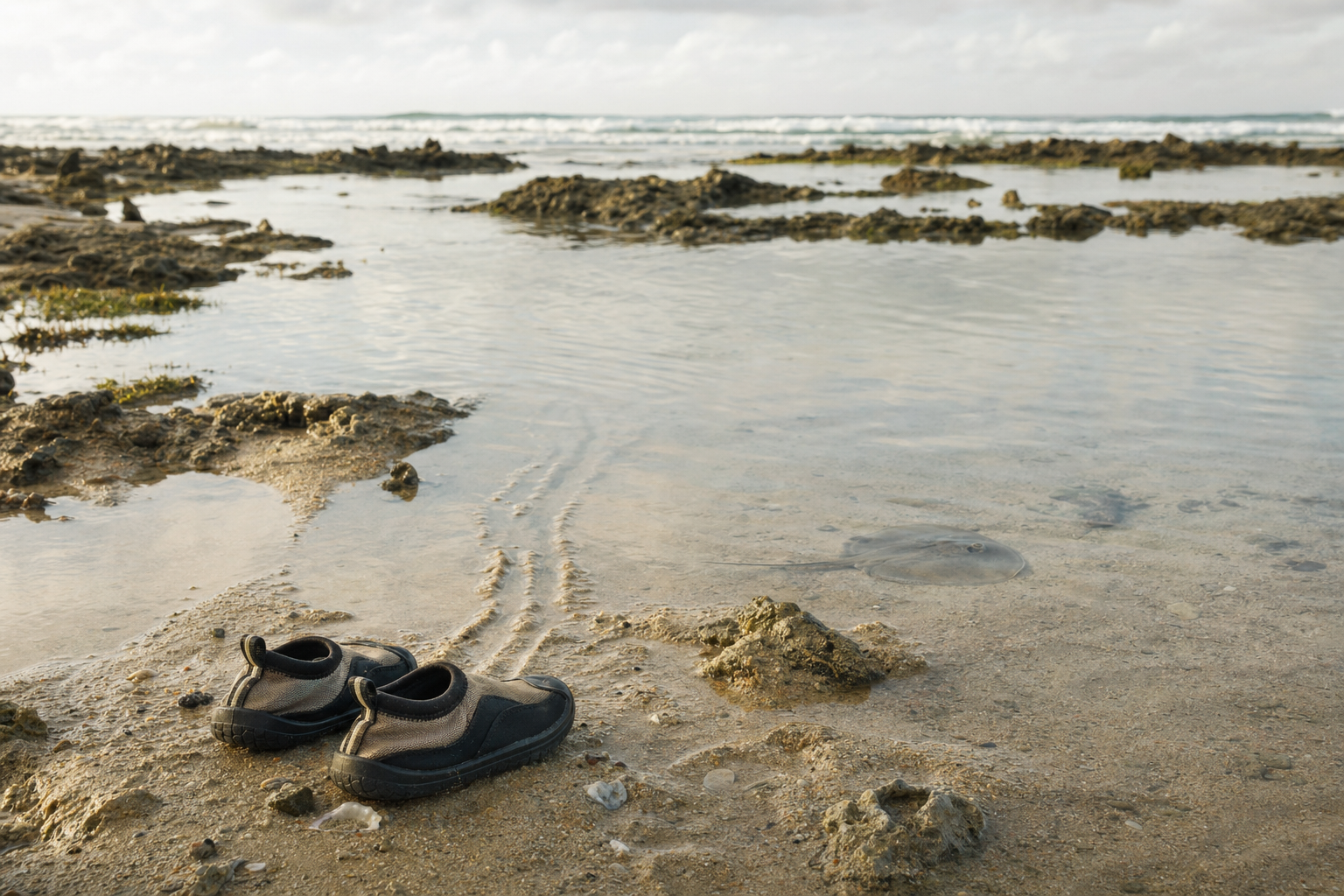
You’ll want to start here: when entering the ocean at rocky shores, teaching your child to assess conditions, wear the right shoes, and use the stingray shuffle can reduce cuts, scrapes, and painful stings—while helping family beach days feel more confident.
Know the Rocky Entry Risks First
Rocky beaches are beautiful, but the surfaces are often sharp, slippery, and home to hidden hazards like sea urchins. These spiky creatures love cracks, tide pools, and areas around rocks. A standard water shoe may protect against many urchin spines, but thinner sides and uppers leave areas exposed. Experts urge wearing sturdy footwear with thick soles and reinforced sides when walking among rocks or sea grass beds where urchins hide. Avoid jumping from boulder to boulder—one misstep lands a foot on a sharp edge or worse, an unexplored sea urchin pitfall. (enviroliteracy.org)
Before stepping into the water, scan the shore ahead: if the path is rocky or filled with shells, plan a safer entry somewhere with fewer boulders or sharper surfaces. If the rocks are wet or covered in algae, slow down—slippery surfaces magnify every risk.
Why Water Shoes Matter
Good water shoes are essential on rocky beaches. Seek shoes with thick rubber soles (5–10 mm), reinforced toes and heels, and a snug fit so sand doesn’t shift inside them. These shoes protect from sharp coral, shells, rocks and hot sand—even sea urchin spines, to some degree. While they won’t prevent every injury, they lower the severity of cuts and punctures significantly. (getbeachfinder.com)
Make packing shoes part of your beach routine: leave flip-flops in the car for dry paths or promenades, and have water shoes ready for every entry into water or warm sand. Show your child how to test their shoes on dry rocks first so they feel confident walking once wet.
Teach the Stingray Shuffle
What Is It and Why It Helps
The “stingray shuffle” means walking through shallow water by sliding your feet slowly along the sand instead of lifting them high with each step. This movement sends vibrations through the sand and water. Stingrays, which often lie buried or camouflaged in warm, calm shallow waters, sense those vibrations and swim out of the way rather than being stepped on. (latimes.com)
If you want a structured way to help your child progress at home, the 10-Week Plan guides you step by step.
Authorities in Australia clearly recommend this shuffle as part of beach safety advice: “Shuffle your feet—that tells them you are coming and gives them time to swim away.” (v3.beachsafe.org.au)
[[ctakid]]
How to Teach Kids Ages 6–12
Start on dry sand or very shallow water. Let them walk normally, notice how stepping firmly feels. Then show how to shuffle: keep feet low, slide each foot forward, gently pushing sand aside. Make it a game: pretend they’re painting the sand with their feet. Use stories—“raindrops scare the rays”—to help them remember. Practice toward late spring and summer when stingrays are most active in warm shallows.
First Aid and Safety Rules
If the worst happens, know what to do right away. Keep hot-water first aid supplies (safe temperature is 43-46 °C / 110-115 °F): submerge the affected area in hot water for 30-90 minutes to reduce pain and break down venom. Don’t try to remove a barb stuck in deeper tissue—let medical professionals do that. Use clean fresh water wash, antibiotic ointment, and a bandage. Look for signs of infection and seek help if needed. (healthline.com)
Always ask lifeguards or local beach safety signs about hazards. They’ll warn you about sea urchins, dangerous rocks, or other local risks. Make sure your child knows that not all beaches or times of year pose equal risk—late spring through autumn tend to be peak season for stingrays and marine sea life in warm shallow water.
Putting This Into Action: A Day at the Beach
Start planning early in the day. Choose a beach known for sandy shallows rather than crowded rocks. Pack gear: water shoes, basic first aid kit, maybe gloves if rocks are slippery or furry with life. On arrival, check the lifeguard station, flags, or signs. Talk with the lifeguards about rocky entries or stings: ask what you should look out for.
While getting ready, have your kids try the shuffle on dry sand. When entering the water, walk slowly, feet sliding. Avoid running across rocks, jumping from one boulder to the next, or entering where you can’t see clearly. Encourage supervision: you close, ready to assist if a stumble happens.
For ongoing skill building, consider swim classes or open water practice. One method is learning structured swimming and water safety in controlled zones before moving into natural shoreline environments. For those wishing to build foundations gradually, the swimy.org 10-Week Plan shows how to teach a child to swim by themselves, starting in a pool and moving to open water environments. (swimy.org)
Bottom Line
By teaching kids ages 6 to 12 to assess rocky entries, wear proper water shoes, and use the stingray shuffle when wading through shallow warm waters, you can dramatically reduce injuries—from cuts and sea urchin spines to painful stingrays. Pair that with knowing first aid and always talking with lifeguards about local hazards and seasonality, and you’ll help your child walk into summer’s beaches with confidence and safety.
120+ swimming exercises sorted by age — with video and instructions. Developed by swim instructors, completely free.

120+ swimming exercises sorted by age — with video and instructions. Developed by swim instructors, completely free.