How to Time Baby Swim Lessons to Avoid Overtiredness and Overwhelm
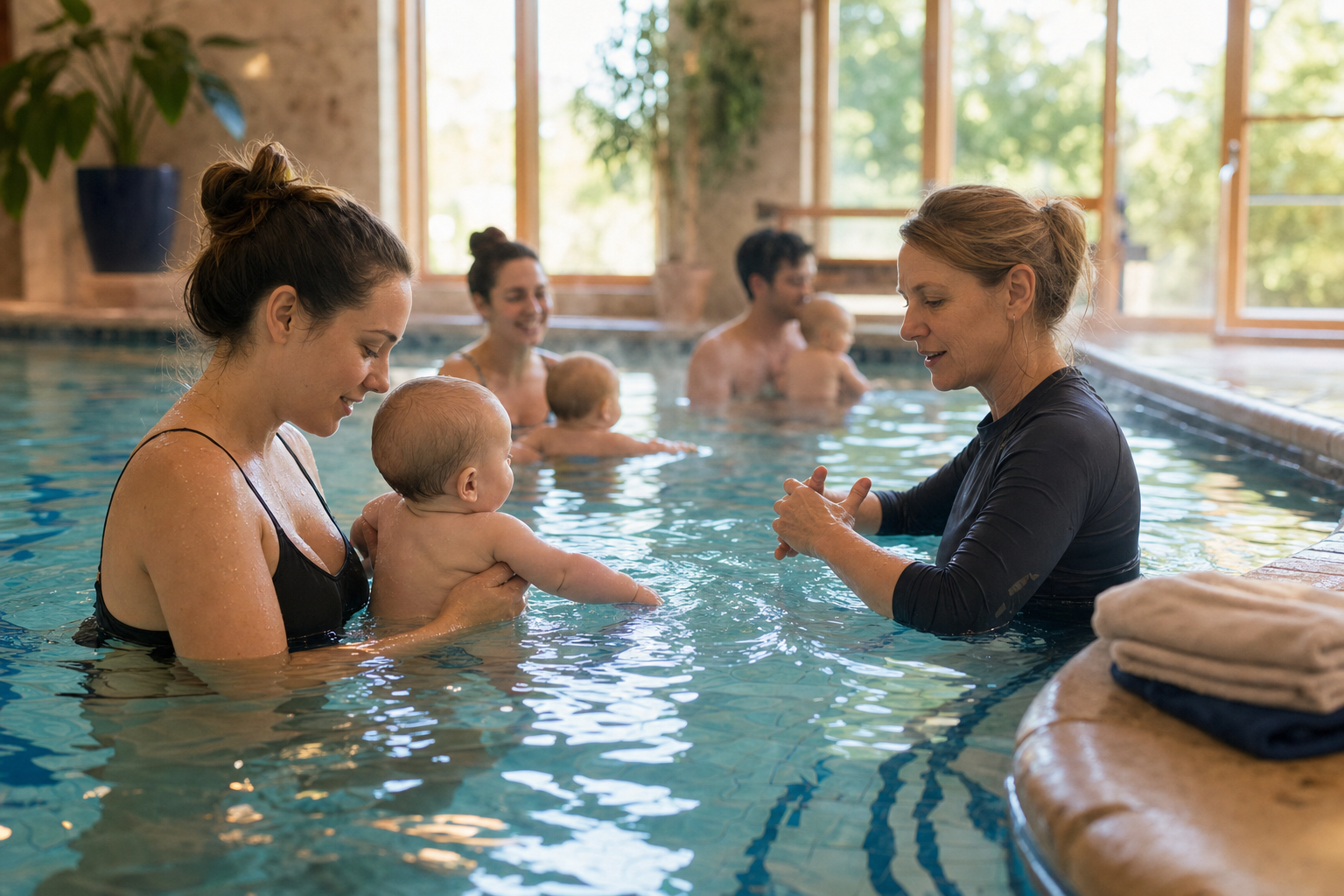
Swim days can feel like battle days when baby is tired, hungry, or overstimulated. If your infant or toddler seems upset, cries, or seems cold and unwell, the issue may not be that they “hate swimming” — it’s probably about timing. Setting swim lessons at a time that works with nap windows, feeding, and energy levels can make the difference between a calm, enjoyable session and post-swim meltdown.
Why Scheduling Really Matters
Babies and toddlers become overtired quickly. When they don’t get enough rest, hormonal stress kicks in, behavior worsens, and safety around water becomes riskier. According to sleep experts, wake windows — the period children can stay awake before fatigue sets — are tight in early months. For example, babies 3-7 months old usually operate comfortably in wake windows of 80-120 minutes, then need rest. When swim class comes right before or during that drop-off, you’ll often see fussiness, refusal, or tearful exits. (heloa.app)
Swimming supplies a lot of stimulation, both physically and neurologically. Your baby’s body is pumping to stay warm, move arms and legs, balance—even submerge. That often skyrockets fatigue and appetite afterward. If you schedule lessons right after a nap or after a good feed, the child shows up regulated, alert, and capable of enjoying swim time. Experts agree: being well-rested and fed matters more than booking the cheapest or the only slot. (healthline.com)
When Are Swim Lessons Best for 3–36 Month Olds?
The sweet spots tend to fall in late morning (after the first nap and a snack) or early afternoon (if there’s a long midday nap). Late afternoon can feel like swimming against the wake-window curve, when energy is waning. Water temp, facility quietness, and arrival time all play into how prepared your toddler is—not just physically, but emotionally. A sharp change in routine or rushing through the challenging parts (diaper, changing room, traffic) often causes overstimulation before the lesson even begins. (swimy.org)
If you want a structured way to build water confidence at home, the 10-Week Plan guides you step by step.
For babies under a year, lessons are about water familiarization. Playing together in warm pools with safe, patient instruction builds comfort—not stroke mastery. Sessions run no more than 20-30 minutes to respect short attention spans; when class stretches longer, burnout or resistance often follow. (aquanat.com.au)
Making Routines That Work
Use tools like wake-windows and nap forecasting—knowing when your child usually needs rest helps you avoid scheduling classes that overlap naps. When you commit to a consistent class time that aligns with their cycles, you build predictability and reduce stress—for both of you.
[[ctababy]]
Toddlers 12-36 months old may handle two lessons per week server better if spaced with days off so fatigue doesn’t accumulate. Weekly classes help with consistency while intensive blocks only work well if matched with feeding, rest, and recovery. The 10-Week Plan from swimy.org is one example of a planning tool that helps families align swim schedules with nap windows, feeding routines, and post-swim rest. (swimy.org)
When Sleep, Hunger, or Overstimulation Takes Over
After swim class, it’s common for babies to become extra tired or very hungry. Swimming uses a lot of energy, even if it doesn’t look like much. That post-swim fatigue is natural and expected. To reduce problems, feed your child about 20-45 minutes before getting in the pool, arriving early so there’s no rush, and follow up with rest and gentle quiet time after class. If possible, pick a class that ends about 30-60 minutes before their next expected nap or bedtime. (swimy.org)
Overstimulation can happen fast. Bright lights, loud room, lots of people, dripping water, cold air—all can overload tiny senses. Look for swim schools that maintain warm water (ideally between 87-94°F for under-3s), limit class sizes, and offer calm, predictable routines. When instructors attune to each baby’s cues—yawning, gaze shift, tone change—they can scale back or end earlier to preserve a positive association. (aquanat.com.au)
What Parents Can Do Differently
Don’t assume your child “hates swim class” when really, the class falls at a bad time. Shifting to a slot that works with naps, or moving feeding earlier, might instantly reduce fussing. Arrive early so you’re not rushing through bumping into traffic or scrambling for swim gear. Plan for warmth after class too—a cozy towel, warm clothes, maybe a ride home that’s quiet.
When evaluating whether a lesson time works, look at how your baby does during and after: do they seem alert, playful, able to handle the class? Or do they shut down, cry, or tone drop? If every class ends with lots of tears or resistance, schedule timing is worth rethinking.
Babies and toddlers learn best when they’re regulated—not electrically wired, not hangry, not crash-landing into unconsciousness. By matching swim time to their nap windows, feeding, energy cycles and rest, classes become calm, joyful, and safe. That’s when both child and parent walk out of the pool not exhausted, but energized.
120+ swimming exercises sorted by age — with video and instructions. Developed by swim instructors, completely free.

120+ swimming exercises sorted by age — with video and instructions. Developed by swim instructors, completely free.