King-Tide Beach Days: When to Swim vs. Sightsee with Kids
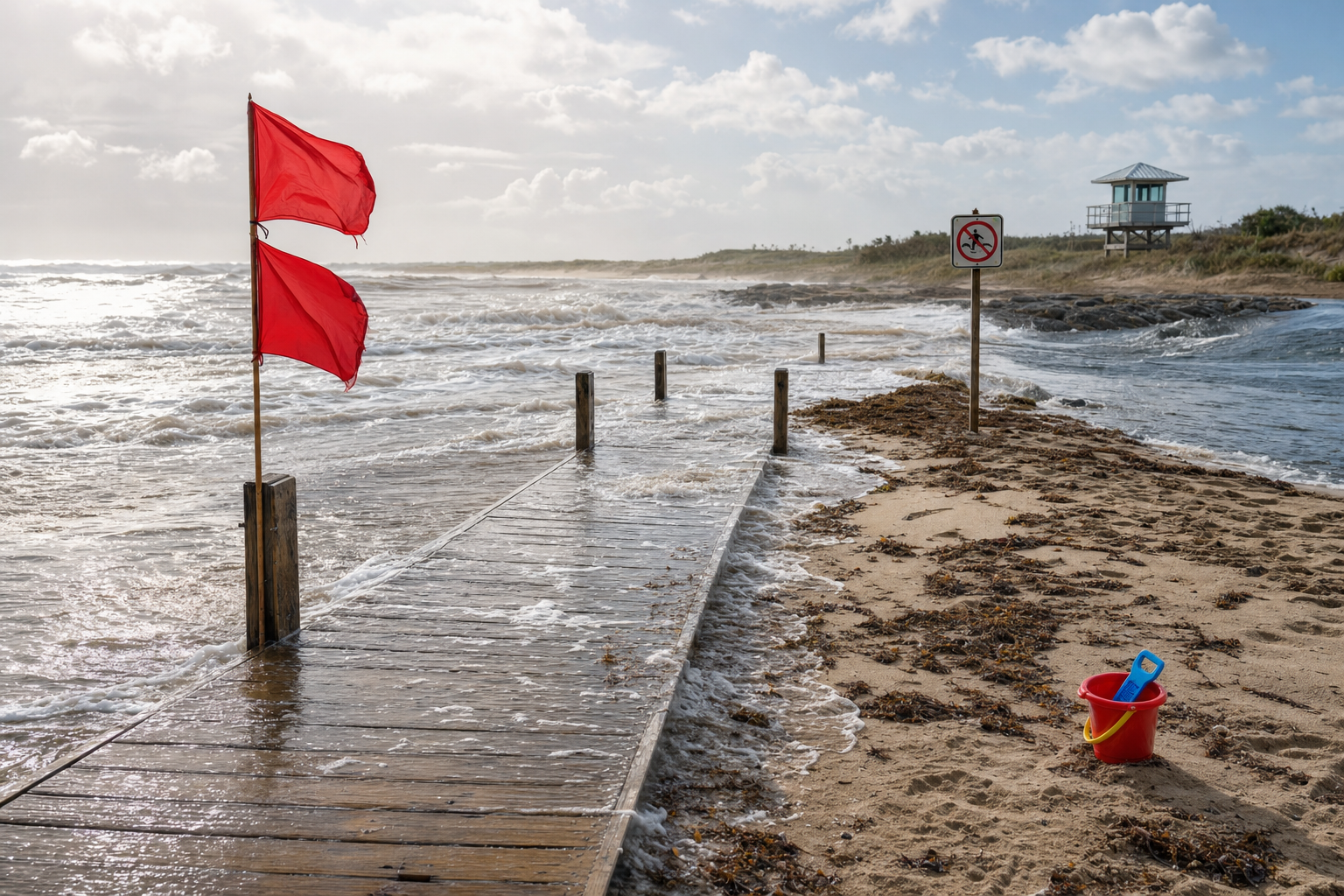
Swimming with kids ages 3–12 during king tides can be fun—but “swim” isn’t always the best choice. Sometimes the safer move is to sightsee instead. Knowing when to make that call can save you and your family from scary surprises like flooding, strong currents, or lifeguards being unable to rescue easily.
What Exactly Is a King Tide—and How Water Moves During One
A king tide is a non-scientific term for exceptionally high spring tides that happen when two key things align: the Sun, Moon, and Earth during a new or full moon (spring tide), and the Moon being at its closest point in its elliptical orbit (perigee). These are also known as perigean spring tides. (noaa.gov) These tidal peaks occur several times a year and cause high water levels—sometimes one to two feet higher than average high tides. (coastal.ca.gov)
During a king tide, water moves differently. The rising tide (flood current) pushes water toward the shore, sometimes far beyond the usual high-tide line. Then the water recedes with the ebb current, possibly very rapidly. In addition, the slack periods—moments of still water—near high or low tide may be much shorter. Tidal currents near inlets, river mouths, estuaries, and around structures like piers or rocks become especially strong and unpredictable. (noaa.gov)
Because of this, the risks for kids increase. Lifeguards may have stretched patrols because sometimes beaches flood far past their flags. Access points can become submerged, hiding hazards. Visibility drops as debris and sediment stirred up by higher water make water murkier. If you're unaware, you might let your child swim thinking it’s just another beach day—but conditions will be far from normal.
When to Swim Versus When to Sit Back and Sightsee
For families who love the ocean, the question isn’t whether king tides are exciting—they are—but whether this particular king tide is safe enough for swim.
If you see warning flags raised high (double red, sometimes posted near flagged swim zones), if water is rapidly approaching boardwalks or walkways, if waves are breaking unusually late on shore, and lifeguards are warning no entry—those are all clear signs: switch from swim mode to sightsee mode. Also, avoid swimming near inlets or under piers at king tide times because currents are often stronger there.
If you want a structured way to help your child progress at home, the 10-Week Plan guides you step by step.
A good strategy: check local tide calendars ahead of time and plan a quieter beach or bay that has gentle water and lifeguards stationed securely. For example, in the US East Coast and Florida, king tides tend to be strongest between September and December. (weather.gov) Seasonal peaks elsewhere might differ (Australian or UK coasts often have their own timing) but the same rules apply.
[[ctakid]]
Parents who swim with their school-age kids should train in general beach and water safety first. The “10-Week Plan” by swimy.org provides structured swimming lessons and skills so kids are better prepared before heading into the surf under tricky conditions. Using a plan like this builds confidence and readiness to deal with currents.
Avoiding Surprises: Key Safety Tips for Coastal Families
To keep scary surprises down, you can take several practical steps. Always check your local tide calendar at least a day ahead, especially during a full or new moon. NOAA or equivalent local weather service sites will often warn when tides are expected to reach or exceed flood action stages. (miamidade.gov)
Next, learn the local flag warning system—green means safe, yellow means caution, red means dangerous, double red or purple may mean no entry. Lifeguards are trained to see what you might not and often close swimming zones well before danger becomes obvious.
Avoid low-lying parking or walkways near the beach during king tide windows. Flood water doesn’t care where you parked—it can rise rapidly and trap vehicles or force you to walk through salty, possibly debris-laden water. Always bring fresh water and a change of clothes in case shoes, socks or clothes get soaked.
Make safer alternative plans: splash in tidepools, walk the shore during low water and let kids collect shells, or head to protected coves. Sometimes simply staying just above the high tide line and watching the power of the ocean is more memorable.
Real-Life Stories: When It Happened to Me
Last October, I planned a beach outing in southeast Florida with my 7- and 9-year-olds. The tide chart showed a king tide around midday. We got there before high tide, but the water surged much farther back than we expected, flooding the shade shelters and causing ripples of unexpected current around the jetty. Just as lifeguards lowered the red flags, I called off swimming. We spread a towel on higher sand, watched the waves, played in rock pools—and avoided what could’ve been a serious swimming hazard.
Another time in the UK, a family ignored warning flags thinking the water looked clear. A sudden surge during flood current swept younger children off rocks nearby. Luckily shore-based staff spotted the danger in time. Since then, I've learned that even a calm surface during king tide can hide strong motion underneath.
Bottom Line
Yes, “king tide safety kids” isn’t just a caution—it’s a mindset. As “family beach tides” shifts toward extremes during peak seasons like Sep-Dec (US East/FL) or local seasonal peaks elsewhere, parents need to ask: “Is it safe to swim king tide today?” When the tides move in faster and higher than usual, switch out of swim mode into sightsee mode. Monitor tide calendars, flag systems, parking risk, and lifeguard warnings. When in doubt, pick safer alternatives. That little extra caution keeps beach days fun instead of frightening—and memories made, not mishaps.
120+ swimming exercises sorted by age — with video and instructions. Developed by swim instructors, completely free.

120+ swimming exercises sorted by age — with video and instructions. Developed by swim instructors, completely free.