Babies Who Kick Underwater Then Stop: What It Really Means
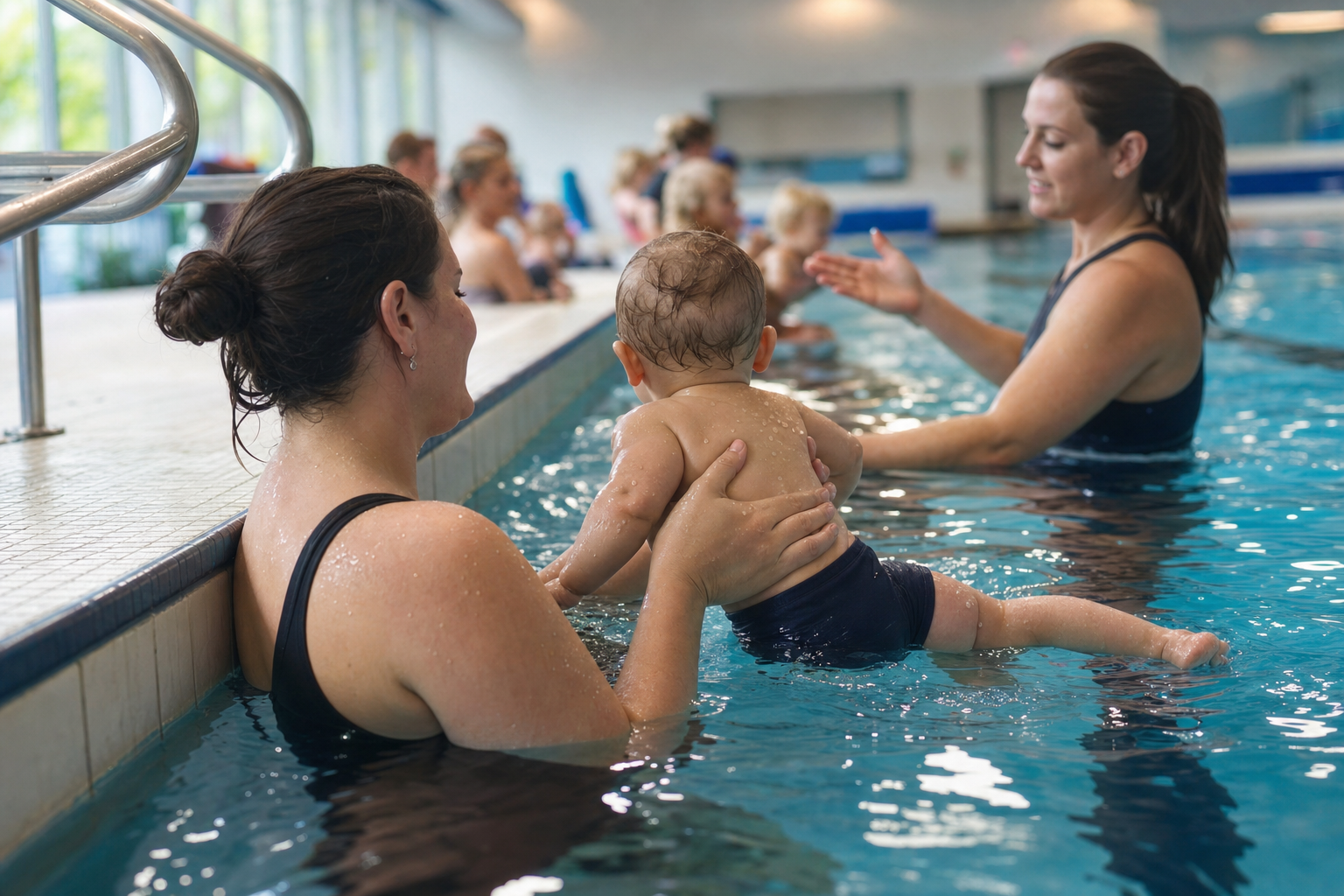
Some parents see their 4–12-month-old baby kicking vigorously underwater during swim lessons, only for those kicks to stop almost as soon as the feet touch the pool wall—or when commands are given. That raises big questions: Is baby really swimming? Is something wrong if they stop? Let’s get into what’s happening, what’s normal, and how you can support your child without comparing them to others.
What Causes Reflexive Underwater Kicks
Babies are born with a set of primitive or survival reflexes. One of those is the infant swimming reflex, also known as the diving or bradycardic reflex. When submerged face-down, many infants involuntarily hold their breath and make kicking, paddling motions. These reflexes help protect the airway and regulate breathing and heart rate.(en.wikipedia.org)
Science shows that infants aged around 4 to 6 months will often show these reflexes most strongly. As their nervous system matures, reflexes fade or become integrated into voluntary movements—not unlike how newborn reflexes like the “stepping reflex” or the “tonic neck reflex” disappear with age.(openstax.org)
So when you see a baby kicking underwater then suddenly stopping, it may simply be reflexive kicking without intent or control.
Why Kicks Don’t Equal Independent Swimming
It’s really tempting to believe that those underwater kicks mean your baby’s on the path to swimming on their own. But reflexes are not the same as conscious action. Babies under 4–18 months typically can’t coordinate their limbs, maintain head control, or hold their breath intentionally long enough to swim without support. The American Academy of Pediatrics cautions that these infant reflexive movements do not demonstrate swim survival skills or self-rescue ability.(healthychildren.org)
Even in formal lessons—like the 10-Week Plan offered by some baby swim curricula—you’ll see that underwater kicking and breath holds are introduced carefully and only as one part of broader water familiarization. These plans emphasize comfort, touch supervision, and gradual exposure rather than rushing to get babies swimming unaided.
What Parents Need to Know: Ages 4–18 Months
What Seems Normal
Between 4 and 6 months, reflexive kicks may appear strong when baby is supported in water or briefly submerged. That may fade by 8 to 12 months as voluntary control over arms and legs begins to develop. By 12 to 18 months, babies start doing more purposeful kicks, perhaps reaching for the side of the pool or trying to float with help.(bms.sport-iat.de)
If you want a structured way to build water confidence at home, the 10-Week Plan guides you step by step.
What Isn’t Helpful (and What to Avoid)
Some parents get worried when their baby doesn’t kick underwater like other children in class. Others think that underwater movement means baby can control their breathing or automatically float. Neither assumption is safe. Over-practicing submersion or expecting babies to swim independently before they are developmentally ready can be dangerous. Even something like assuming reflexive kicks mean breath control is risky. Always keep babies within arm’s reach and supported.(healthychildren.org)
[[ctababy]]
Also, comparing between babies is a common pitfall. Parents on forums express real concern when their child seems “behind” in swim lessons, especially under one. But catching up isn’t about competition—it’s about exposure, safety, and support.(reddit.com)
How to Support Your Baby’s Natural Movement
Encouraging your baby’s development in water doesn’t mean pushing them to swim before they can. Focus on gentle exposure, warmth, short sessions, and consistent supervision. Use playful routines, toy guided kicks, and lots of praise. Let their reflex kicks happen without forcing them, then gradually help them explore more voluntary movements.
A study of infants aged 3–12 months found that babies who did aquatic activities showed more advanced motor skills overall—including kicking, kicking control, and leg movements—than peers without water exposure.(pmc.ncbi.nlm.nih.gov)
If you enroll in parent-child water play classes, pick instructors who know what is typical for babies 4-18 months, who don’t push underwater submersions too early, and who clearly explain that autopilot underwater kicking doesn’t equal independent swimming ability yet.
Safety First: Never Assume Reflex Equals Rescue
Even though the diving reflex is real, it’s not proof that a baby will survive a fall or keep breathing underwater. Strong reminders:
- Keep babies always in “touch supervision”: that means you or another responsible adult are within arm’s reach when they are in or near water.(healthychildren.org)
- Don’t misinterpret movements as showing breath control or the ability to swim independently.
- Avoid long periods of underwater exposure or pushy dunking routines before baby shows readiness.
- Use safety gear properly (no floats that give false confidence) and limit time in chill water to avoid hypothermia.(health.clevelandclinic.org)
What to Expect Over Time: Development Milestones
By around 6 months, babies generally have better head control and can tolerate short exposures in the pool. By 9 to 12 months, they may begin pushing toes off the pool floor or reaching for exits. Between 12 and 18 months, reason and motor planning mature so that kicking becomes more intentional. Doctors use developmental milestone charts to see typical patterns—not to judge individual children. According to the CDC, many gross motor skills like sitting, crawling, and standing emerge by 18 months.(cdc.gov)
If your baby is not showing any kicking or movement in water at all by 12 months, or seems fearful or rigid, talking to a pediatrician or physical therapist may help assess whether there’s delayed motor development. But remember, wide variance is normal. Some babies bloom later.
Babies who kick in the pool then stop are almost always showing reflexes, not ready-made swimming skills. As a parent, your role is helping them grow safely, celebrating every splash and kick without comparing or expecting more than what’s developmentally possible. That way, baby—and you—can enjoy pool time with confidence and joy.
120+ swimming exercises sorted by age — with video and instructions. Developed by swim instructors, completely free.

120+ swimming exercises sorted by age — with video and instructions. Developed by swim instructors, completely free.