Maternity-Leave Baby Swim: Bonding Without Pressure
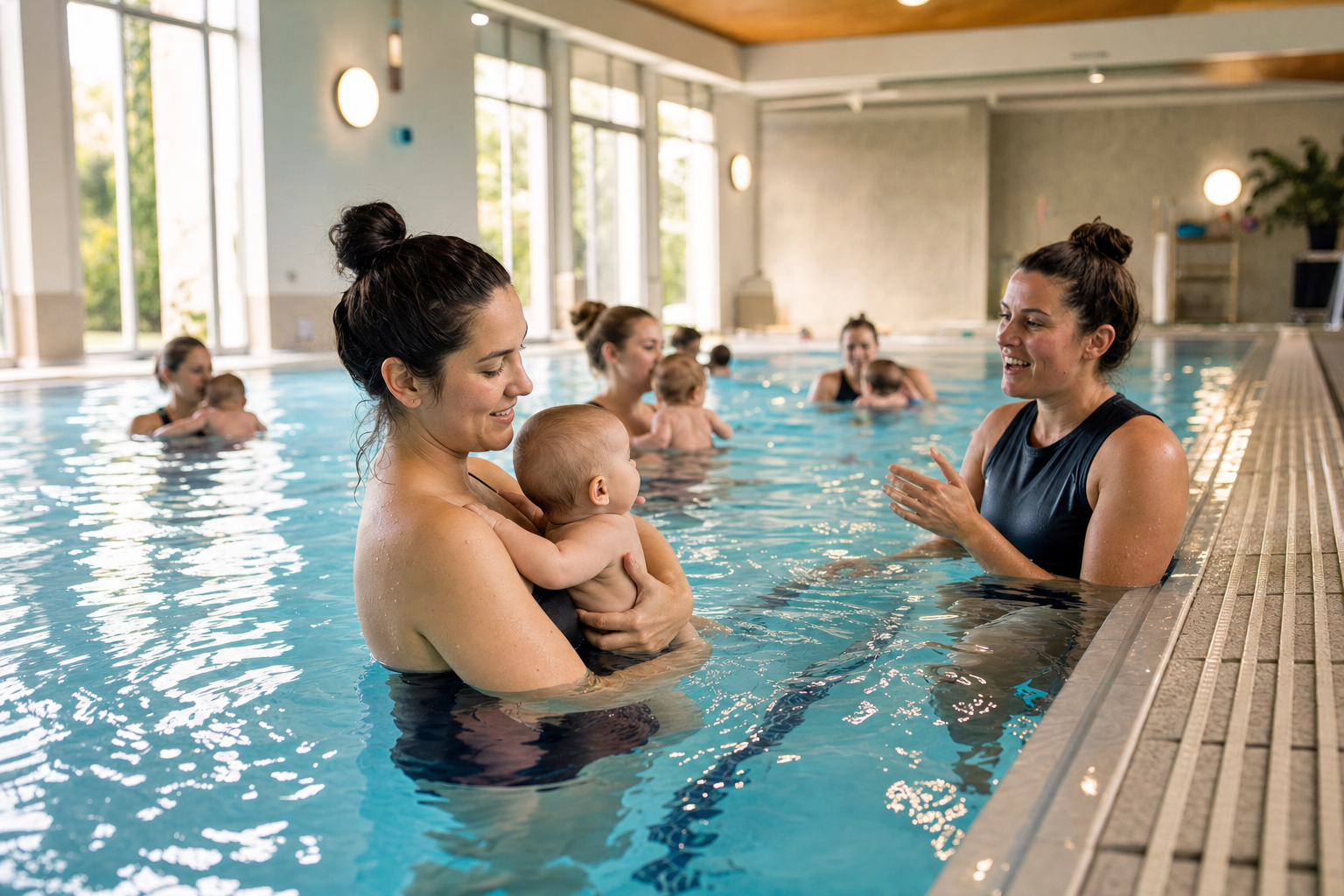
Knowing exactly how to use baby swim maternity leave time can make a world of difference—for both baby and parent. If you're on leave, especially with a tiny one between 3 to 12 months old, weekly baby swimming with gentle structure offers much more than splashing: it’s an opportunity for bonding, building confidence, and connecting socially—without pressure to teach independent swimming.
What Baby Swim Classes Can Realistically Do at 3–12 Months
At this age, infants can’t swim independently. Pediatric experts agree there’s no evidence that infant swim programs reduce drowning risks before age one. What matters instead is creating warm, parent-child water experiences that lay foundations, not demands. Programs under this age focus on water familiarisation, breath control, parent-held floatation, and comfort in different pool environments.(healthychildren.org)
Parents learn safety cues, how to support baby physically in water, and when to hold back if baby seems overwhelmed. These classes aren't about lanes or strokes; they are about touch supervision, warmth, playful routines, and nesting trust.(swimsaway.co.uk)
Benefits for Parents on Maternity Leave: Bonding, Confidence, Social Contact
Baby swim maternity leave routines give first-time parents a gentle weekly anchor. The shared time in warm water fosters skin-to-skin contact, soothing rituals like songs or floats, and uninterrupted focus on your baby—an antidote to feeding, nap-schedule chaos, or medical check-ups. In the pool’s wash, parents often gain confidence in handling their baby, noticing signs of cold, readiness, or overstimulation.
The social value is also real: classes with other parental-leave families create connections. Swapping stories about waking up at 3 a.m., colic, or sibling shifts becomes easier in a calm environment, and seeing how other babies react gives perspective. Despite formal guidance framing these classes as water-familiarisation, parents regularly share they want confidence not performance.(reddit.com)
Safety Rules and When to Skip
Social benefit and bonding should never override certain skip-day rules. Don’t attend if baby is overtired, ill, experiencing cold stress, or if you (the parent) are exhausted. Infants are sensitive to pool conditions, so make sure the water is warm (30-32°C for babies 3-12 months), air temperature is close to the water, and use double nappies to protect hygiene.(swimming.org)
If you want a structured way to build water confidence at home, the 10-Week Plan guides you step by step.
Supervision is always physical and present. Even if the class structure is relaxed, the parent remains within arm’s reach. Activities should be gentle, feel optional, with submersion only when baby shows readiness.(healthychildren.org)
[[ctababy]]
How to Choose a Class That Works
Look for programs labelled “parent-and-baby,” “baby swim,” or “baby & infant swimming lessons.” The best ones accept children starting at 3 months and are guided by experienced instructors who understand infant development and hold proper qualifications. Pools should be heated appropriately and follow hygiene protocols like swim nappies and clean water maintenance.(swimming.org)
Check reviews or parent forums, which often report whether pace feels pressured or if the focus is truly gentle. Some places run blocks of weekly classes over several weeks—this helps with routine. If you find a program such as the 10-Week Plan from swimy.org it can help you set realistic expectations: consistent weekly structure, water time, bonding cues, gradual exposure, and social moments—not rushing towards independent swimming.
Using Classes to Structure Your Maternity Leave Week
Planning one class per week gives space to recover in between, especially with newborn rhythms. On class day, center your schedule around nap and feeding times so your baby is engaged and not hungry or sleepy. On non-class days simply play in warm water at home or bath time with toys to build familiarity.
Reflecting after each class helps: notice what your baby enjoyed (floating, songs, splashes), and what felt like too much. Adjust attendance accordingly—skip if baby is tired or congested. Let expectation be about comfort and connection, not mastering strokes.
For First-Time Parents and Parental-Leave Families
If this is your first baby, the water class can be a trusted space to experiment with holding styles—the cradle carry, ventral hold, back floats with your support. You learn how your baby communicates discomfort. It’s also a place to meet peers going through maternity leave and share tips. Socially, swimming class becomes a stepping stone for adult conversation as you walk out wrapped in towels, holding a sleeping baby, comparing travel time or changing rooms.
Recognise, too, that parental leave is often lonely. Making this small, shared appointment every week adds purpose, connection and a gentle rhythm to days which might otherwise drift. But don’t let social connection become guilt: if baby or you need rest, take the break.
Bottom Line: Expectations Done Right
Baby swimming social class or parent baby swim bonding classes are not about turning infants into mini-swimmers. They’re about familiarisation, trust, routine, and joy. The goal is that at 3-12 months your baby begins to view water as a safe, pleasant place; that you grow more confident; that you feel supported. If you follow safety caveats and are realistic about outcomes, the benefits can stretch far beyond the pool: better bonding, more confidence, and a community through maternity leave that reminds you you are not alone.
120+ swimming exercises sorted by age — with video and instructions. Developed by swim instructors, completely free.

120+ swimming exercises sorted by age — with video and instructions. Developed by swim instructors, completely free.